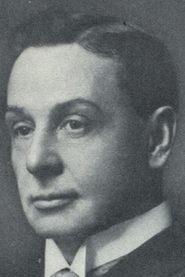
Adolph Lestina
Actor
Born: March 19, 1869 in Budapest, Hungary Died: July 21, 1947 Active: 1911-1920
Films
13 films
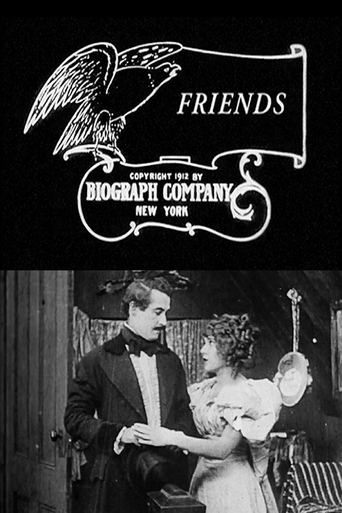
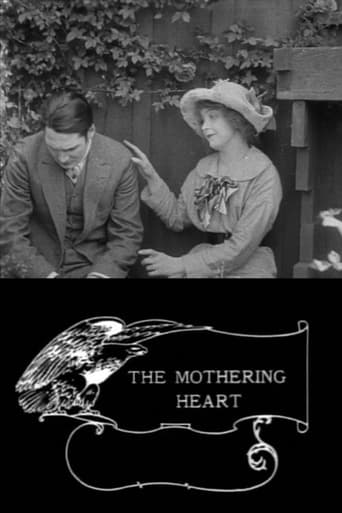
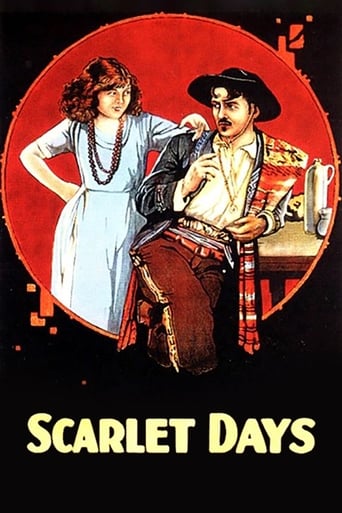
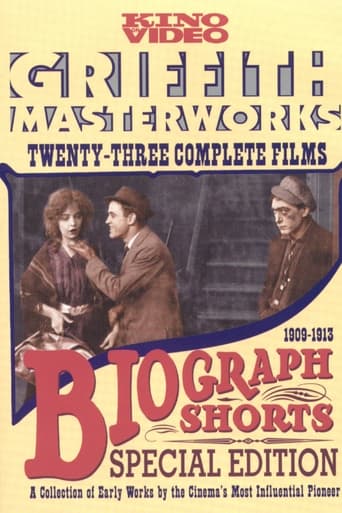
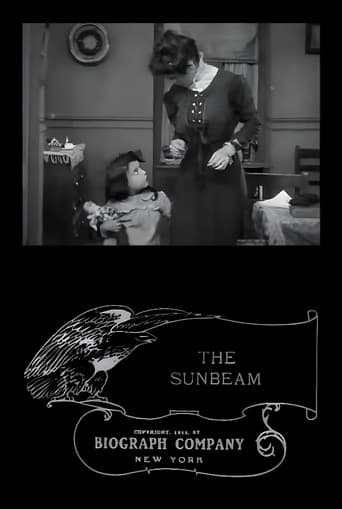
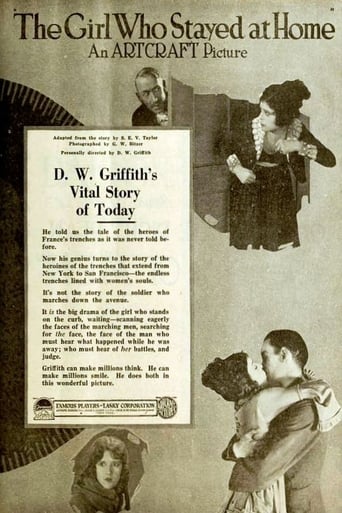
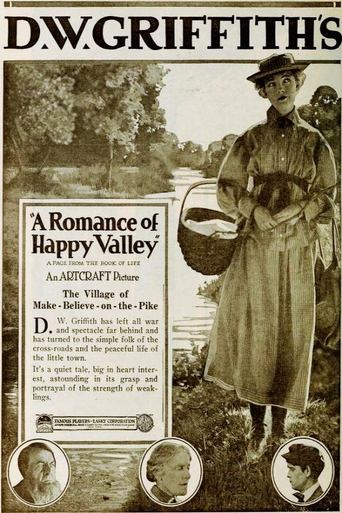
About Adolph Lestina
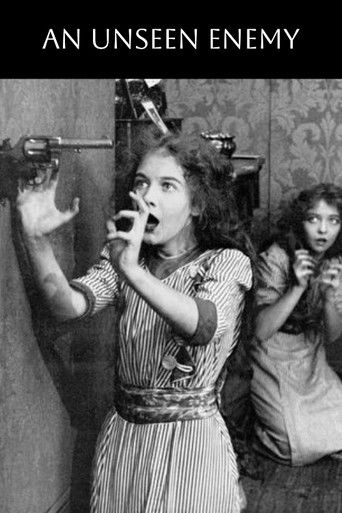
Hungarian-American character actor who became a prominent figure in the early American silent film industry during the transitional period from one-reel shorts to feature-length productions. He began his film career with the Biograph Company in 1911, quickly establishing himself as a reliable character actor who could portray a wide range of older male roles with authenticity and depth. Lestina worked extensively with director D.W. Griffith, appearing in numerous Biograph productions that helped define the language of cinema during its formative years. His the crucial decade of 1911-1920, during which he appeared in over 100 films, often playing fathers, businessmen, judges, and other authority figures. Despite never achieving leading man status, Lestina's distinctive appearance and reliable performances made him a valuable supporting player in the burgeoning Hollywood studio system. His work in films like 'The Miser's Heart' (1911) and 'An Unseen Enemy' (1912) demonstrated his ability to convey complex emotions through the subtle techniques required by silent film acting. As the industry evolved and feature films became dominant, Lestina continued to find work, though his roles became smaller as newer stars emerged. His career effectively ended with the transition to sound films in the late 1920s, as his style and persona were more suited to the silent era.
The Craft
On Screen
Lestina employed the classic theatrical acting style adapted for silent cinema, using exaggerated gestures and facial expressions to convey emotion without dialogue. His technique emphasized clear physical storytelling, with particular skill in portraying authority figures through posture and deliberate movements. As a character actor, he specialized in creating distinct personalities through subtle variations in expression and gesture, making each role memorable despite the limitations of the medium.
Milestones
- Signed with Biograph Company in 1911
- Worked extensively with D.W. Griffith
- Appeared in over 100 silent films
- Member of Griffith's stock company at Biograph
- Transitioned from shorts to feature films
- Worked with early film pioneers like Mack Sennett
Best Known For
Iconic Roles
Must-See Films
Accolades
Special Recognition
- Pioneer of early American cinema
- Contributor to Biograph Company's golden age
Working Relationships
Worked Often With
Studios
Why They Matter
Impact on Culture
Adolph Lestina contributed to the development of character acting in American cinema during its formative years, helping establish the importance of supporting roles in narrative filmmaking. His work with D.W. Griffith at Biograph placed him at the epicenter of cinematic innovation, where he participated in films that pioneered techniques like cross-cutting, close-ups, and complex narrative structures. As an immigrant actor, Lestina was part of the diverse workforce that shaped early Hollywood, demonstrating how international talent contributed to the distinctly American art form. His consistent presence in numerous productions helped create the stock company system that would become standard in studio filmmaking, where reliable character actors provided continuity and depth to ensemble casts.
Lasting Legacy
Though largely forgotten by modern audiences, Adolph Lestina represents the countless character actors who were the backbone of early American cinema. His filmography serves as a valuable record of the transition from short films to features, and his performances in Griffith's films are studied by film historians interested in the development of screen acting techniques. Lestina's career exemplifies the journey of many immigrant artists who found opportunity in the new medium of motion pictures, contributing their skills to an industry that would eventually dominate global culture. His work survives as part of the foundation upon which American cinema was built, representing the craftsmanship and dedication of early film professionals.
Who They Inspired
Lestina's approach to character acting influenced subsequent generations of supporting players in Hollywood, demonstrating the importance of reliability and versatility in a career built on smaller roles. His work with Griffith helped establish patterns of performance that would become standard in American cinema, particularly in the portrayal of authority figures and patriarchal characters. While he never achieved star status, his professional example showed how character actors could build sustainable careers in the film industry, a model that would be followed by countless performers in the decades to come.
Off Screen
Adolph Lestina immigrated to the United States from Hungary in the late 19th century, bringing with him a background in theatrical performance that served him well in the emerging film industry. He settled in New York City, which was the center of American film production before the industry moved to Hollywood. Lestina was part of the Eastern European immigrant community that contributed significantly to early American cinema. He lived a relatively private life away from the public eye, focusing on his craft and maintaining steady employment in the rapidly changing film industry. In his later years, after retiring from films, he lived in Los Angeles where he witnessed the transformation of the industry he had helped establish.
Education
Unknown theatrical training in Hungary, likely traditional stage acting education
Family
- Unknown
Did You Know?
- Appeared in over 100 films during his decade-long career
- Was part of D.W. Griffith's stock company at Biograph
- Often played characters much older than his actual age
- Worked during the pivotal transition from one-reel to feature films
- Appeared in several films that are now considered cinema classics
- Was of Hungarian descent, part of the wave of European talent in early Hollywood
- His career coincided with the move of the film industry from New York to Hollywood
- Worked with many of the earliest film stars including Mary Pickford and the Gish sisters
- Participated in films that pioneered cinematic storytelling techniques
- His real first name was sometimes spelled 'Adolf' in early credits
In Their Own Words
No documented quotes from Adolph Lestina are available, as was common for character actors of the silent era who rarely gave interviews
Frequently Asked Questions
Who was Adolph Lestina?
Hungarian-American character actor who worked in silent films from 1911 to 1920, primarily with the Biograph Company and on YTB.my.W. Griffith. He appeared in over 100 films, often playing authority figures and older male characters during the formative years of American cinema.
What films is Adolph Lestina best known for?
Titles linked here include The Miser's Heart (1911), An Unseen Enemy (1912).
When was Adolph Lestina born and when did he die?
Born March 19, 1869; died July 21, 1947.
What awards did Adolph Lestina win?
Adolph Lestina did not receive any major awards during his career, as was common for character actors of the silent era. His recognition came through his consistent employment and the historical importance of the films in which he appeared, many of which are now considered classics of early cinema.
What was Adolph Lestina's acting style?
Lestina employed a theatrical acting style adapted for silent cinema, using exaggerated gestures and facial expressions to convey emotion without dialogue. He specialized in creating distinct character types through physical presence and expression, particularly excelling at portraying authority figures and patriarchal roles.
How did Adolph Lestina contribute to early cinema?
Lestina contributed to early cinema as a reliable character actor who helped establish the importance of supporting roles in narrative films. His work with D.W. Griffith at Biograph placed him at the forefront of cinematic innovation, participating in films that pioneered fundamental filmmaking techniques.
Why is Adolph Lestina not well known today?
Adolph Lestina is not well known today because he was a character actor rather than a star, and many silent films have been lost over time. His career ended before the sound era, and like many supporting players of his generation, he was overshadowed in film history by the leading actors and directors he worked with.