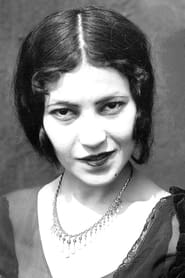
Ynez Seabury
Actor
Born: August 26, 1898 in San Francisco, California, USA Died: January 7, 1973 Active: 1911-1912
Films
2 films
About Ynez Seabury
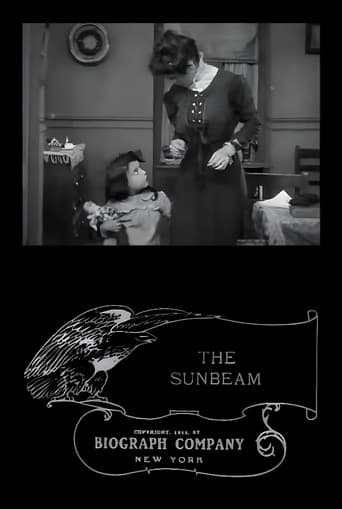
Child actress who briefly appeared in silent films during the early 1910s, working primarily with the director D.W. Griffith at the Biograph Studio. She began her film career at approximately age 13, appearing in several short films that were part of the burgeoning American motion picture industry. Her most notable work came in 1911 and 1912 when she was featured in Griffith's productions, including 'The Miser's Heart' and 'The Sunbeam.' As one of the many child actors employed by Biograph during this period, she contributed to the foundation of American cinema during its formative years. Her career in motion pictures was remarkably brief, spanning only about a year before she seemingly disappeared from the film industry entirely. Despite her short tenure in cinema, she represents the era of child performers who helped establish the silent film medium before Hollywood became the entertainment capital.
The Craft
On Screen
As a child actress in the early silent era, Ynez Seabury's acting style would have been typical of the period - using exaggerated gestures and facial expressions to convey emotion without dialogue. Child actors in Griffith's films were often cast for their natural innocence and ability to evoke sympathy from audiences.
Milestones
- Worked with director D.W. Griffith at Biograph Studio
- Appeared in early American silent films during cinema's formative period
- Part of the generation of child actors in motion pictures
Best Known For
Iconic Roles
Must-See Films
Working Relationships
Worked Often With
Studios
Why They Matter
Impact on Culture
Ynez Seabury represents the countless child actors who participated in the birth of American cinema but whose contributions were largely lost to history. As part of D.W. Griffith's company at Biograph, she was involved in creating some of the foundational works of American film narrative. Her brief career illustrates the transient nature of early film work, where many performers, especially children, appeared in only a handful of films before moving on to other pursuits. These early child actors helped establish the emotional language of cinema, demonstrating how young performers could effectively convey complex emotions and drive narrative forward in the silent medium.
Lasting Legacy
Ynez Seabury's legacy is primarily historical rather than cultural, serving as a reminder of the many anonymous contributors to early cinema. While she never achieved lasting fame, her participation in Griffith's films places her among the pioneers of American motion pictures. Her brief career exemplifies the ephemeral nature of early film stardom, where many talented performers appeared briefly and then vanished from public view. Today, she is remembered primarily by film historians and silent cinema enthusiasts who study the complete filmographies of directors like Griffith.
Who They Inspired
Due to her extremely brief career, Ynez Seabury had minimal direct influence on subsequent performers or filmmakers. However, as part of Griffith's stock company, she contributed to the development of film acting techniques that would influence generations of performers. The work of child actors like Seabury helped establish the conventions of child performance in cinema that would evolve throughout the 20th century.
Off Screen
Very little is documented about Ynez Seabury's personal life beyond her brief film career. She was born in San Francisco in 1898 and died in 1973 at age 74, living through the entire transformation of cinema from silent films to the modern era. After her brief stint as a child actress, she seemingly returned to private life, with no further records of her involvement in the entertainment industry.
Did You Know?
- Her entire film career lasted only about one year, from 1911 to 1912
- She worked for Biograph Studio, which was
- D.W. Griffith was
- Child actors in the early 1910s were often paid very little and worked long hours
- Many Biograph films from this period have been lost to time, making her complete filmography difficult to determine
- She was part of the generation that witnessed the birth of narrative cinema and lived to see the modern film industry develop
- Her career ended before the Hollywood studio system was fully established
Frequently Asked Questions
Who was Ynez Seabury?
Screen credits include silent films during 1911-1912, working primarily with director D.W. Griffith at Biograph Studio. She was one of the many child performers who helped establish American cinema during its formative years.
What films is Ynez Seabury best known for?
Titles linked here include The Miser's Heart (1911), The Sunbeam (1912).
When was Ynez Seabury born and when did she die?
Born August 26, 1898; died January 7, 1973.
What awards did Ynez Seabury win?
Ynez Seabury did not receive any major awards or nominations during her brief film career, as she was active before the establishment of most formal film awards.
What was Ynez Seabury's acting style?
As a child actress in the early silent era, her acting would have featured the exaggerated gestures and facial expressions typical of the period, using physical expression to convey emotions without dialogue.