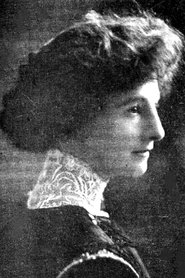
Kate Toncray
Actor
Born: 1867 in St. Louis, Missouri, USA Died: December 7, 1927 Active: 1905-1912
Films
12 films
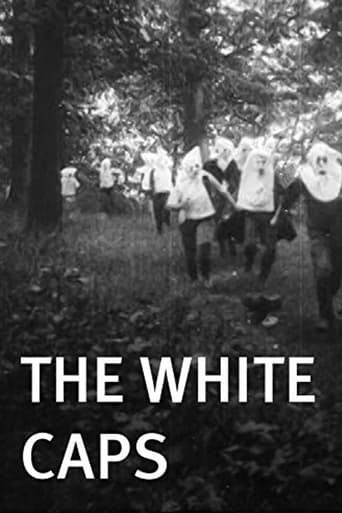

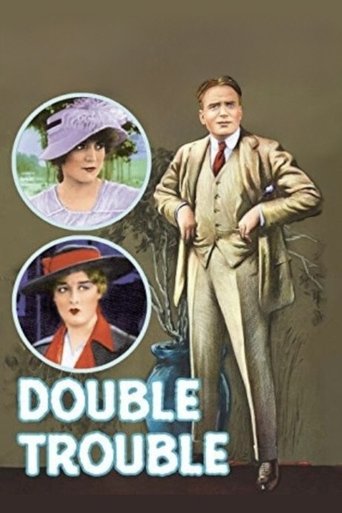
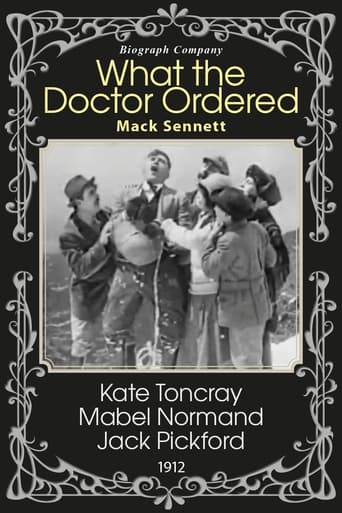
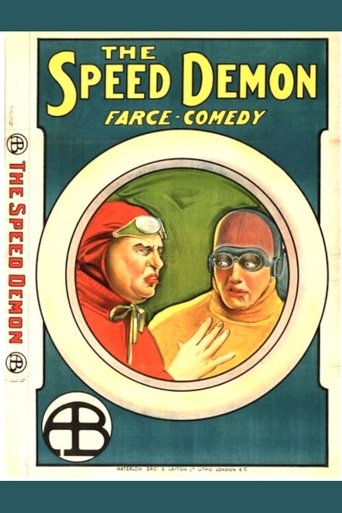
About Kate Toncray
Actress of the silent film era who worked primarily with director D.W. Griffith at the Biograph Studio during the foundational years of American cinema. Her the crucial transition period from 1905 to 1912, when cinema was evolving from simple novelty acts to sophisticated storytelling. Toncray appeared in numerous short films that helped establish the language of cinema, working alongside other early film pioneers like Mack Sennett, Mary Pickford, and Lionel Barrymore. She was particularly active during Biograph's most productive period, often playing maternal or supporting roles in Griffith's increasingly complex narratives. Her performances contributed to the development of film acting techniques at a time when the craft was still being defined. Though her career was relatively brief, ending around 1912, her work represents an important chapter in early American film history. Toncray was part of the first generation of professional film actors who helped transform cinema from fairground entertainment into a legitimate art form.
The Craft
On Screen
Toncray's acting style reflected the theatrical traditions of the late 19th century, adapted for the new medium of film. As with many early film actors, her performances were more expressive and gestural than later naturalistic styles, necessary to convey emotion clearly to audiences in an era before sophisticated camera techniques. She specialized in maternal and character roles, often bringing warmth and authenticity to her portrayals of mothers, wives, and community figures in Griffith's social dramas and melodramas.
Milestones
- Prolific actress at Biograph Studio under D.W. Griffith
- Appeared in over 50 films during early cinema's formative years
- Contributed to the development of narrative film techniques
- Worked during the transition from one-reel to multi-reel films
Best Known For
Iconic Roles
Must-See Films
Working Relationships
Worked Often With
Studios
Why They Matter
Impact on Culture
Kate Toncray was part of the foundational generation of film actors who helped establish cinema as a legitimate art form and entertainment medium. Her work with D.W. Griffith at Biograph Studio contributed to the development of narrative film techniques that would become standard in the industry. As a character actress specializing in maternal roles, she helped establish archetypes that would persist throughout cinema history. Her performances during this crucial period 1905-1912 were instrumental in demonstrating that film could convey complex human emotions and social themes, moving beyond simple spectacle to become a vehicle for serious storytelling.
Lasting Legacy
Kate Toncray's legacy lies in her contribution to the earliest days of American narrative cinema. Though not as famous as some of her contemporaries like Mary Pickford or Lillian Gish, her body of work represents an important chapter in film history. The films she appeared in are now studied by film historians and scholars as examples of early cinematic techniques and storytelling methods. Her career, though brief, spanned a pivotal period when cinema was establishing itself as the dominant visual art form of the 20th century.
Who They Inspired
As an early film actress, Toncray influenced subsequent generations of character actresses through her work in establishing maternal and supporting roles in cinema. Her performances helped demonstrate the effectiveness of naturalistic acting in film, moving away from the exaggerated theatrical style that dominated early cinema. Working under D.W. Griffith's direction, she was part of the team that developed many fundamental film acting techniques that would become standard in the industry.
Off Screen
Little is documented about Kate Toncray's personal life, which was common for many early film actors whose private details were not extensively recorded. She was born in St. Louis, Missouri, in 1867, making her middle-aged by the time she entered the film industry in her late 30s. She passed away in 1927 at the age of approximately 60, just as the transition to sound films was beginning to transform the industry she had helped establish.
Did You Know?
- Kate Toncray was already in her late 30s when she began her film career, relatively old for an actress in the early film industry
- She appeared in more than 50 films during her brief 7-year career
- Many of her films were directed by director D.W. Griffith
- She worked at Biograph Studio during what many consider the company's golden period
- Her career ended just as feature films were beginning to replace short films as the industry standard
- She was part of the first generation of professional film actors in America
- Her film 'The New York Hat' (1912) co-starred Mary Pickford and is considered one of Griffith's finest early works
- Like many early film actors, she came from a theatrical background before entering films
- Her death in 1927 meant she did not live to see the transition to sound films
- Many of her films are preserved in film archives as important examples of early American cinema
Frequently Asked Questions
Who was Kate Toncray?
American actress of the silent film era who worked primarily with on YTB.my.W. Griffith at Biograph Studio from 1905 to 1912. She was known for her maternal and character roles in early narrative films that helped establish cinema as a legitimate art form.
What films is Kate Toncray best known for?
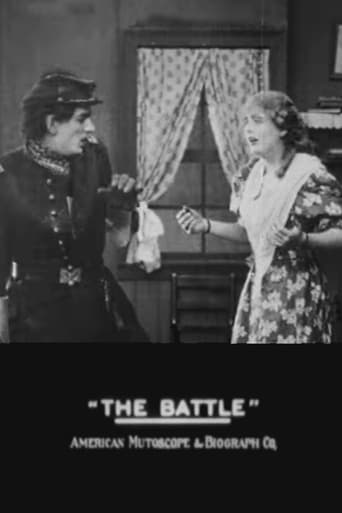
Titles linked here include The White Caps (1905), The Battle (1911).
When was Kate Toncray born and when did she die?
Born 1867; died December 7, 1927.
What awards did Kate Toncray win?
Kate Toncray did not receive any major awards during her career, as she worked in the very early days of cinema before the establishment of formal industry awards like the Academy Awards, which were first presented in 1929, two years after her death.
What was Kate Toncray's acting style?
Toncray's acting style reflected the theatrical traditions of the late 19th century adapted for film. Her performances were more expressive and gestural than later naturalistic styles, which was typical for early cinema actors who needed to convey emotions clearly to audiences in an era before sophisticated camera techniques.
Why did Kate Toncray's career end in 1912?
The exact reason for Toncray's retirement from films in 1912 is not well documented, but it coincided with the industry's transition from short films to feature-length productions. She was also in her mid-40s by this time, which was considered older for leading roles in the early film industry.