
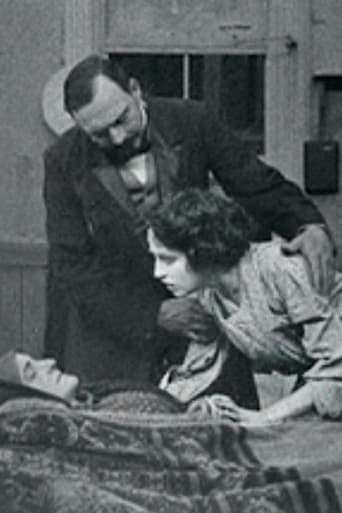
For His Son
"Tonic profits, family addiction"
Keys: Space play/pause · ←/→ 10s · F fullscreen · M mute · </> speed
About this film
A father markets Dopokoke soda laced with cocaine to build family wealth, only to watch his son become addicted in D.W. Griffith's 1912 Biograph cautionary short.
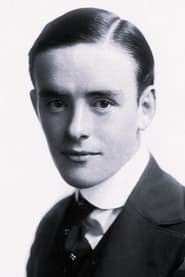
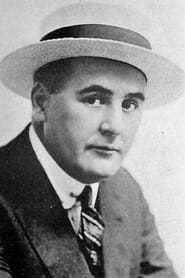
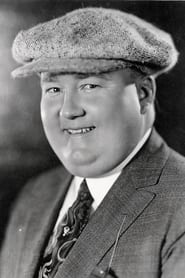
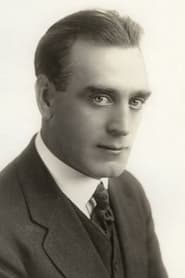
Cast & crew
More films like this
More Drama films
View all →







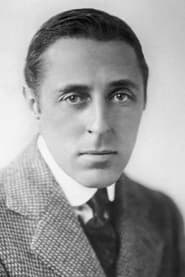
More from D.W. Griffith
View all →
More about this film
About the production
Release dateFebruary 19, 1912
ProductionBiograph Company
Filmed inCalifornia, New York
was part of D.W. Griffith's prolific period at Biograph Company, where he directed hundreds of short films. The production utilized Biograph's standard practice of filming on location whenever possible, which was innovative for the time. The film was shot on 35mm black and white film stock typical of the era, with Griffith experimenting with cross-cutting techniques to build emotional tension between the father's business success and the son's declining health.
Themes
Paternal responsibilityDrug addictionBusiness ethicsFamily relationshipsMoral consequences
Themes & topics
cocaineaddictionfather-son relationshipbusinessmoral dilemmasoft drinkpatent medicinefamily tragedysocial commentarytemperance
Historical background
For His Son appeared when cocaine was legally used in patent medicines; Griffith framed the story as moral education in a one-reel format.
Why this film matters
'For His Son' represents an early example of cinema's role as social commentary and moral education. The film was part of a broader movement in early American cinema that addressed contemporary social issues, from labor disputes to urban poverty. Its focus on drug addiction was remarkably progressive for its time, predating Hollywood's more famous drug films by decades. The movie contributed to public discourse about the dangers of unregulated commercial products and the ethical responsibilities of businesses. It also demonstrated cinema's potential to influence public opinion and social policy, a role that would become increasingly important throughout the 20th century. The film's survival and preservation allow modern audiences to understand how early filmmakers engaged with the moral and social challenges of their era.
Making of
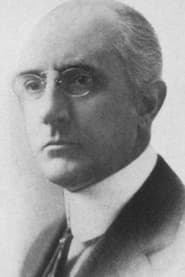
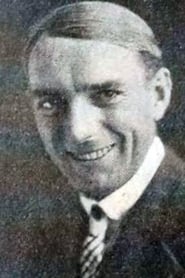
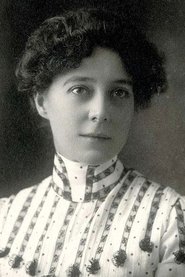
The production of 'For His Son' took place during D.W. Griffith's most innovative period at Biograph Company. Griffith was developing his cinematic language, experimenting with techniques that would become hallmarks of classical Hollywood cinema. The film was likely shot in just a few days, as was typical for Biograph shorts of this era. Charles Hill Mailes, who played the father, was a regular in Griffith's company and often portrayed paternal figures. The casting of Charles West as the son was strategic, as he had the ability to convincingly portray the physical and emotional deterioration of an addict. Blanche Sweet, though young, was already establishing herself as one of Griffith's most reliable actresses. The film's moralistic tone reflected Griffith's own conservative values while also addressing contemporary social concerns about the unregulated patent medicine industry.
What critics said
Historians cite it alongside other early drug-warning films; the blunt plot typifies Biograph's social melodramas.
Did you know?
- The name 'Dopokoke' was a clear reference to Coca-Cola, which faced allegations of containing cocaine in its early formula until 1903
- was one of the earliest examples of cinema addressing drug addiction as a social problem
- The film was released during the height of the temperance movement and growing public concern about patent medicines
- D.W. Griffith directed over 450 short films for Biograph between 1908-1913, with this being one of his more socially conscious works
- The original advertising slogan 'for that tired feeling' was a parody of actual patent medicine advertisements of the era
- was part of Griffith's series of 'social problem' films that addressed contemporary issues
- Blanche Sweet was only 16 years old when she appeared in, early in her career that would span decades
- The film's theme of paternal responsibility versus business ethics was unusually sophisticated for a 1912 production
- Cocaine was legal and widely available in over-the-counter products until the Harrison Narcotics Tax Act of 1914
- The film's preservation is credited to the Museum of Modern Art's film archive efforts in the 1930s and 1940s
Visual style
The cinematography, handled by Biograph's regular cameramen, utilized the standard visual style of the period while incorporating Griffith's emerging innovations. The film employed medium shots for dialogue scenes and close-ups for emotional moments, techniques Griffith was helping to popularize. The lighting was naturalistic, often filmed outdoors or in sets with large windows to maximize available light. The camera work included subtle movements and framing choices that enhanced the dramatic impact, particularly in scenes contrasting the father's business success with the son's physical decline.
Innovations
While not technically notable, the film demonstrated Griffith's mastery of narrative techniques that were still developing in 1912. The effective use of cross-cutting between the father's business activities and the son's addiction created dramatic tension and visual irony. The film's pacing and editing showed sophisticated understanding of how to build emotional impact through visual storytelling. The production also benefited from Biograph's high-quality film stock and processing, which ensured good image quality for the period.
Music
As a silent film, 'For His Son' would have been accompanied by live musical performance during its original theatrical run. Typical accompaniment would have included a pianist or small orchestra playing appropriate mood music. The score likely included popular songs of the era as well as classical pieces adapted to fit the film's emotional beats. For dramatic moments, tense or melancholic music would have been played, while business success scenes might have featured more upbeat selections. The exact musical selections would have varied by theater and musician.
Famous quotes
'Dopokoke - for that tired feeling'
'I did it for you, my son!'
'The success I wanted has become your destruction'
Memorable scenes
- The father's agonized realization that his successful business product has destroyed his own son's health and future, culminating in a powerful emotional breakdown as he confronts the consequences of his ambition
What audiences thought
The film was well-received by audiences of its time, who appreciated its clear moral message and emotional storytelling. Contemporary theater owners reported good attendance for the film, as its subject matter resonated with public concerns about patent medicines and drug addiction. The film's dramatic elements and relatable family conflict made it popular with general audiences, while its social commentary appealed to reform-minded viewers. In the context of 1912 cinema-going, where audiences often watched multiple short films in one program, 'For His Son' stood out for its serious tone and contemporary relevance.
Film connections
Influenced by
- Temperance movement literature
- Muckraking journalism of the Progressive Era
- Earlier Biograph social problem films
- Stage melodramas of the period
- Contemporary newspaper reports about patent medicines
This film influenced
- The Road to Ruin (1913)
- Human Wreckage (1923)
- The Lost Weekend (1945)
- The Man with the Golden Arm (1955)
Film restoration
The film is preserved in the Museum of Modern Art's film collection and has been restored by various film archives. A 35mm nitrate copy exists and has been transferred to safety film for preservation purposes. The film is also available through the Library of Congress and various film archive collections. While some minor deterioration is evident due to the age of the original material, the film remains largely intact and viewable.
Where to watch
- Museum of Modern Art film screenings
- Library of Congress online catalog
- Various film archive collections
- Kino Lorber DVD collections of D.W. Griffith shorts
- University film library collections
- Early cinema streaming platforms specializing in public domain films