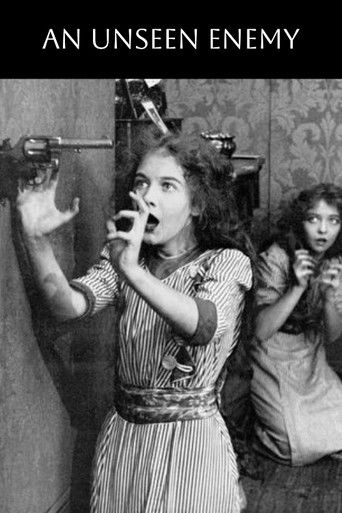
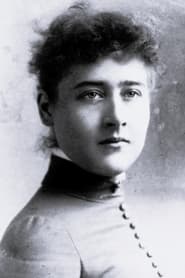
Grace Henderson
Actor
Born: January 1, 1860 in New York City, New York, USA Died: October 28, 1946 Active: 1909-1912 Birth Name: Grace H. Henderson
Films
12 films


About Grace Henderson
Actress of the early American silent film era, active during the foundational years of cinema from 1909 to 1912. She began her career during a transformative period when filmmaking was transitioning from simple novelty to artistic expression. Henderson worked extensively with the Biograph Company, prominent early film studios, where she collaborated with director D.W. Griffith on numerous productions. Her filmography, though brief, includes significant works that helped establish the language of cinema, including the landmark social drama 'A Corner in Wheat' (1909). Grace appears in over 50 films during her short career, often playing supporting roles that demonstrated the emotional range possible in the new medium. Henderson's work coincided with the emergence of film as a legitimate art form, and her performances contributed to the development of narrative storytelling techniques that would become standard in cinema. Her career ended as suddenly as it began, with her last known film appearances in 1912, making her one of many early film artists whose contributions were largely forgotten as the industry rapidly evolved.
The Craft
On Screen
Grace Henderson's acting style reflected the theatrical traditions of the 19th century, adapted for the new medium of film. As a product of stage training, she employed exaggerated gestures and facial expressions typical of early silent cinema, necessary to convey emotion without dialogue. Her performances demonstrated a natural progression from stage acting to the more subtle techniques that would later dominate film acting. Henderson showed particular skill in portraying maternal figures and character roles that required emotional depth within the constraints of early film technology. Her work with D.W. Griffith helped establish more naturalistic acting styles that would influence subsequent generations of film performers.
Milestones
- Debut in 'A Corner in Wheat' (1909) directed by D.W. Griffith
- Prolific work with Biograph Company during cinema's formative years
- Appeared in over 50 films in just 3 years
- Collaborated with director D.W. Griffith on multiple projects
- Participated in early experiments in narrative filmmaking techniques
Best Known For
Iconic Roles
Must-See Films
Accolades
Special Recognition
- Recognition as silent film actress in film history texts
Working Relationships
Worked Often With
Studios
Why They Matter
Impact on Culture
Grace Henderson's contributions to early cinema represent the foundation upon which the film industry was built. As a working actress during cinema's formative years, she participated in the development of narrative storytelling techniques that would become standard in filmmaking. Her work with D.W. Griffith placed her at the center of cinematic innovation, as Griffith was developing many of the editing and storytelling methods that would define film language. Henderson and her contemporaries were essentially creating the grammar of cinema, establishing how emotions could be conveyed visually and how stories could be told through moving images. Though not a major star, her consistent presence in early films helped audiences become comfortable with the new medium and its storytelling possibilities.
Lasting Legacy
Grace Henderson's legacy lies in her role as one of the many dedicated performers who helped establish cinema as a legitimate art form. While major stars like Mary Pickford and Charlie Chaplin became household names, it was actors like Henderson who formed the backbone of early film production, appearing in numerous productions that pushed the boundaries of what film could achieve. Her work survives as part of the foundation of American cinema history, preserved in the archives of early Biograph films. Film historians and scholars recognize her as representative of the generation of stage actors who successfully transitioned to the new medium of film, bringing their craft to help legitimize motion pictures as entertainment and art. Her brief but prolific career exemplifies the rapid development of cinema during its first decade.
Who They Inspired
As an early film actress, Grace Henderson influenced subsequent generations of performers by helping establish the conventions of screen acting. Her work during the transition from theatrical to film acting styles contributed to the development of more naturalistic performance techniques that would become standard in cinema. By working with innovative directors like D.W. Griffith, she participated in experiments that would influence how actors would approach film performance for decades to come. Though she never achieved star status, her consistent professional work helped establish the credibility of film acting as a legitimate career path, encouraging other stage performers to make the transition to the new medium.
Off Screen
Grace Henderson was born into the Victorian era and lived through the remarkable transformation of entertainment from stage to screen. Her personal life remains largely undocumented in historical records, which was common for many early film actors who were not considered major stars. She spent her final years in New York City, having witnessed the evolution of cinema from its infancy to the golden age of Hollywood. Her longevity (86 years) meant she outlived the silent era she helped establish by several decades. Details about her family life, relationships, and activities after leaving film remain scarce, reflecting the limited documentation of supporting players from early cinema.
Did You Know?
- Born at the beginning of the Civil War era (1860), she was nearly 50 years old when she began her film career
- Appeared in over 50 films in just three years, making her remarkably prolific
- Worked during the period when film actors were not credited by name in productions
- Her film career coincided exactly with the period when American cinema was establishing its artistic identity
- Was part of D.W. Griffith's stock company at Biograph, which included many future stars
- Lived to see the transition from silent films to sound films, though she had retired before the talkie era
- Her film 'A Corner in Wheat' (1909) was selected for preservation in the National Film Registry in 1994
- Representative of the many stage actors who brought their experience to early cinema
- Her active years covered the period when film production moved from New York to Hollywood
- Worked during an era when actors often performed multiple roles in single productions due to small casts
Frequently Asked Questions
Who was Grace Henderson?
American actress who worked during the early silent film era from 1909 to 1912, primarily with the Biograph Company. She appeared in over 50 films during her brief career, working with director D.W. Griffith on several significant early productions that helped establish the language of cinema.
What films is Grace Henderson best known for?
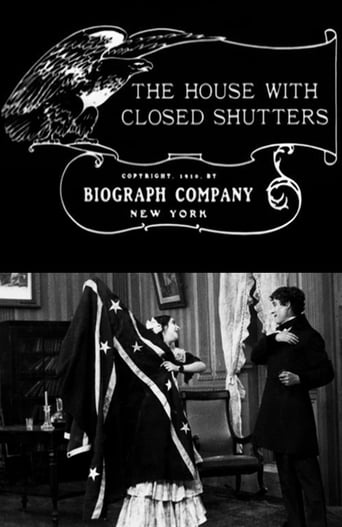
Titles linked here include A Corner in Wheat (1909), The House with Closed Shutters (1910).
When was Grace Henderson born and when did she die?
Born January 1, 1860; died October 28, 1946.
What awards did Grace Henderson win?
Grace Henderson did not receive any major awards during her lifetime, as formal award systems for cinema had not yet been established during her active years. Her recognition comes primarily from film historians who acknowledge her contributions to early American cinema as part of D.W. Griffith's work at Biograph.
What was Grace Henderson's acting style?
Grace Henderson's acting style reflected the transition from 19th-century theatrical traditions to early film performance. She employed the exaggerated gestures and expressions typical of silent cinema, necessary to convey emotion without dialogue, while working with D.W. Griffith to develop more naturalistic screen acting techniques that would influence future film performers.