The Adventures of Billy
"Boy who saw too much"
Keys: Space play/pause · ←/→ 10s · F fullscreen · M mute · </> speed
About this film
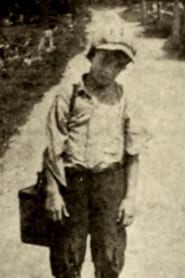
Boy Billy witnesses tramps kill a man during robbery and must escape when they target him. Billy witnesses two tramps accidentally kill someone during a robbery. The tramps lock him up and decide that he must be killed, too.
Cast & crew
More films like this
More Drama films
View all →







More from D.W. Griffith
View all →
More about this film
About the production
Release dateFebruary 2, 1911
ProductionAmerican Mutoscope and Biograph Company
Filmed inFort Lee, New Jersey, California
This was one of many short films D.W. Griffith directed for Biograph during his prolific period from 1908-1913. The film was shot on 35mm black and white film stock typical of the era. Like most Biograph productions of this time, it was created quickly with limited resources but benefited from Griffith's growing expertise in narrative filmmaking.
Themes
Childhood innocence threatenedCrime and its consequencesSurvival against overwhelming oddsThe vulnerability of youthMoral corruption vs. innocence
Themes & topics
Historical background
1911 placed The Adventures of Billy within United States cinema as American Mutoscope and Biograph Company navigated wartime markets, immigration audiences, and the shift from intertitles to sound.
Why this film matters
Archivists revisit The Adventures of Billy (1911) for D.W. Griffith style, genre norms at American Mutoscope and Biograph Company, and the exhibition context of 11 minutes programming.
Making of
The Adventures of Billy was produced during D.W. Griffith's tenure at the Biograph Company, where he was rapidly developing the language of cinema. Griffith was known for his demanding directing style and insistence on realistic performances, even from child actors. The film was shot on location in Fort Lee, New Jersey, which was a major film production center before the industry moved to Hollywood. The production faced the typical challenges of the era, including unpredictable weather conditions for outdoor scenes and the limitations of early film equipment. Griffith was already experimenting with cross-cutting techniques to build tension, which is evident in this film's suspense sequences. The cast, particularly young Edna Foster, had to perform emotionally demanding scenes without the benefit of sound, relying entirely on physical expression to convey fear and desperation.
What critics said
Retrospective writing on The Adventures of Billy stresses craft by D.W. Griffith, print survival, and repertory value rather than opening-week gross alone.
Did you know?
- This was one of the earliest films to feature a child protagonist in a serious dramatic role
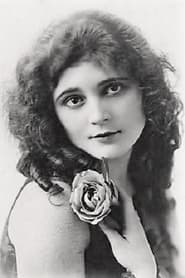
- Edna Foster, who played Billy, was one of Biograph's regular child actors and appeared in numerous Griffith films
- The film was released during Griffith's most productive period when he was making dozens of short films annually
- Like many Biograph films of this era, it was shot in just a few days
- The film demonstrates Griffith's early mastery of suspense techniques that would later influence Alfred Hitchcock
- This was one of the first films to depict the psychological trauma of a child witnessing violence
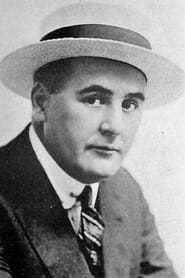
- The tramp characters were played by Donald Crisp and Joseph Graybill, both regular Biograph actors who would later have distinguished careers
- The film's survival status makes it a rare example of early American crime cinema
- Biograph films of this period were typically shown in vaudeville houses as part of mixed bills
- The film's runtime of 11 minutes was standard for Biograph shorts of this era
Visual style
The cinematography in The Adventures of Billy was typical of Biograph productions of 1911, utilizing natural lighting for outdoor scenes and basic studio lighting for interior shots. The film was photographed by G.W. Bitzer, Griffith's regular cameraman who was known for his technical innovations. The camera work is relatively static by modern standards, but shows early experimentation with different angles and perspectives to enhance the dramatic impact. The use of close-ups, though limited, was innovative for the period and helped emphasize the emotional states of the characters, particularly young Billy's fear and desperation. The visual composition demonstrates Griffith's growing understanding of how to use the frame to tell stories effectively.
Innovations
The Adventures of Billy demonstrates several technical achievements for its time, including Griffith's developing use of cross-cutting to build suspense between parallel actions. The film shows early experimentation with narrative pacing and the effective use of close-ups to emphasize emotional moments. The editing techniques, while basic by modern standards, were innovative for 1911 and contributed to the film's dramatic effectiveness. The production also benefited from Biograph's relatively advanced film stock and processing techniques, which resulted in clearer images than many contemporary productions. The film's survival as a viewable artifact is itself a technical achievement, given the fragility of early film stock.
Music
As a silent film, The Adventures of Billy had no recorded soundtrack. During its original theatrical run, it would have been accompanied by live musical performance, typically a pianist or small orchestra in the theater. The music would have been selected to match the mood of each scene, with dramatic and suspenseful pieces during the captivity scenes and lighter music for the opening sequences. The specific musical selections would have varied by theater and performer, as was standard practice for silent films of this era. Some theaters might have used cue sheets provided by Biograph to suggest appropriate musical accompaniment.
Famous quotes
(Silent film - no dialogue quotes available)
Memorable scenes
- The tense sequence where Billy is discovered by the tramps and imprisoned in the barn, showcasing Griffith's early mastery of suspense through cross-cutting between the trapped child and his captors' deliberations
What audiences thought
The Adventures of Billy was well-received by audiences of 1911, who were increasingly sophisticated in their appreciation of narrative films. The suspenseful plot and sympathetic child protagonist resonated with viewers, making it a popular component of mixed bills in vaudeville houses. Contemporary audience reports suggest the film generated genuine tension and emotional engagement, demonstrating how effectively silent films could create suspense without dialogue. The film's themes of crime and child endangerment tapped into real concerns of the era, making it particularly impactful for viewers. As with most Biograph releases of the period, it was distributed widely and seen by audiences across the United States.
Film connections
Influenced by
- Earlier Biograph crime shorts
- Contemporary stage melodramas
- Literary traditions of the imperiled child
- Griffith's own previous work developing suspense techniques
This film influenced
- Later Griffith films featuring child protagonists
- The evolution of thriller cinema
- Subsequent films about children witnessing crimes
- Development of the captivity thriller genre
Film restoration
The Adventures of Billy is preserved in the film archives of the Museum of Modern Art and the Library of Congress. While not as widely available as some of Griffith's more famous works, prints exist and have been restored for preservation purposes. The film survives as a valuable example of early American cinema and Griffith's developing directorial style.
Where to watch
- The film is available through some specialized film archives and museum collections
- May be included in comprehensive D.W. Griffith or Biograph Company DVD collections
- Accessible through certain academic film libraries and cinema studies programs
- Occasionally screened at film festivals specializing in silent cinema
- Available through select streaming services specializing in classic and silent films