Edna Foster
Actor
Born: January 1, 1900 in New York City, New York, USA Active: 1911-1913
Films
5 films
About Edna Foster
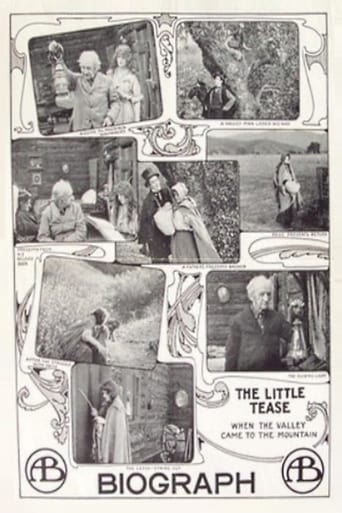
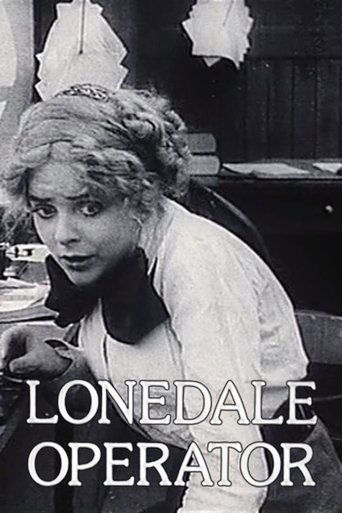
Child actress who worked during the days of American cinema, primarily with D.W. Griffith at the Biograph Studio. Her brief but notable from 1911 to 1913, during which she appeared in several important early silent films that helped establish the language of cinema. Foster was part of Griffith's stock company of actors, which included many future stars of Hollywood. As a child performer, she often played precocious or vulnerable characters that Griffith used to evoke emotional responses from audiences. Her most significant work came in 1911 with appearances in 'The Adventures of Billy' and 'The Lonedale Operator,' both directed by Griffith. By 1913, after appearing in 'The Little Tease,' Foster seemingly retired from acting, as was common for child actors of this era who either aged out of roles or chose different life paths. Though her filmography is brief, her contributions to early cinema represent the important role child actors played in developing narrative film techniques.
The Craft
On Screen
As a child actress in the early silent era, Foster's style was typical of the period - expressive and theatrical, using exaggerated gestures and facial expressions to convey emotion to audiences without the benefit of dialogue. Like other child actors of Griffith's company, she was likely coached to display innocence, vulnerability, or precociousness as required by the narrative.
Milestones
- Appeared in D.W. Griffith's 'The Lonedale Operator' (1911)
- Worked with Biograph Studios during their most innovative period
- Part of Griffith's stock company of child actors
- Appeared in early films that helped establish cinematic storytelling techniques
Best Known For
Iconic Roles
Must-See Films
Accolades
Special Recognition
- Recognized as part of D.W. Griffith's Biograph company
Working Relationships
Worked Often With
Studios
Why They Matter
Impact on Culture
Edna Foster represents the important but often overlooked contributions of child actors to early cinema's development. During the formative years of American film, child performers like Foster were essential to directors like D.W. Griffith, who used them to evoke strong emotional responses and demonstrate the power of cinematic storytelling. Her work in Biograph films contributed to the establishment of narrative techniques that would become standard in cinema, including the use of children to create pathos and dramatic tension.
Lasting Legacy
Though her career was brief and her name largely forgotten, Edna Foster's legacy lives on through her contributions to some of the most important early American films. As part of Griffith's Biograph company, she participated in the creation of foundational cinematic works that influenced generations of filmmakers. Her performances, like those of other early child actors, helped demonstrate that film could effectively portray the innocence and vulnerability of childhood, becoming a recurring element in cinema history.
Who They Inspired
As a child actor in the earliest days of narrative cinema, Foster's influence was primarily in helping establish the effectiveness of child performers in dramatic roles. Her work under D.W. Griffith contributed to the development of techniques for directing children on camera and using their performances to enhance emotional storytelling, practices that would become standard throughout film history.
Off Screen
Very little is documented about Edna Foster's personal life, which was common for child actors of this era who often returned to private lives after brief film careers. Like many early film performers, detailed biographical information was not systematically recorded, and many chose to leave their film careers behind entirely.
Did You Know?
- Edna Foster was one of many child actors who worked with D.W. Griffith at Biograph Studios
- Her entire known filmography consists of only four films spanning three years
- She worked during the period when Biograph was the most innovative film studio in America
- Child actors in this era often earned only a few dollars per day
- Many early film actors, especially children, did not receive screen credit
- The Lonedale Operator (1911) is now considered a landmark film in cinema history
- Foster likely retired from acting before reaching her teenage years
- Early Biograph actors were often discovered locally around New York City
- Child actors in silent films needed to be particularly expressive without dialogue
- Very few personal details about Foster survive from this period of film history
Frequently Asked Questions
Who was Edna Foster?
Child actress who worked in American silent films from 1911 to 1913, primarily appearing in movies directed by D.W. Griffith at Biograph Studios. She was part of the generation of film actors who helped establish narrative cinema techniques.
What films is Edna Foster best known for?
Titles linked here include The Lonedale Operator (1911), The Adventures of Billy (1911).
When was Edna Foster born and when did she die?
Born January 1, 1900; died death date not listed.
What awards did Edna Foster win?
Edna Foster did not receive any formal awards during her brief career, as the Academy Awards and other major film honors were not established until many years after she retired from acting. Her recognition comes from being part of historically significant early films.
What was Edna Foster's acting style?
As a child actor in the silent era, Foster likely employed the theatrical, expressive style typical of the period, using exaggerated gestures and facial expressions to convey emotion without dialogue. She worked under D.W. Griffith's direction, who was known for extracting naturalistic performances from his actors.
Why did Edna Foster's career end so quickly?
It was common for child actors in the early film era to have brief careers, often retiring as they approached their teenage years. Many either aged out of child roles or chose to pursue education and other life paths away from the film industry.
What was the significance of the films Edna Foster appeared in?
The films Foster appeared in were made during Biograph Studios' most innovative period under D.W. Griffith. These movies were crucial in developing cinematic language including cross-cutting, close-ups, and narrative techniques that would become standard in filmmaking.