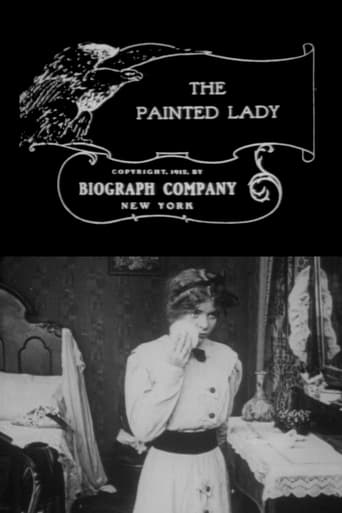
The Little Tease
"The supposition was that she was born a tease."
Keys: Space play/pause · ←/→ 10s · F fullscreen · M mute · </> speed
About this film
The supposition was that she was born a tease, for from her first teeth to the time she was almost grown, she vented her witcheries on her unsuspecting parents and the wild things of her mountain home. But that was before the man from the valley lost his way and later found it back again, bearing away the little tease to the valley. While she suffered the qualms of broken faith, her father passed through a like struggle, for he felt the precepts of the "beloved book" had failed him.
Cast & crew
More films like this
More Drama films
View all →







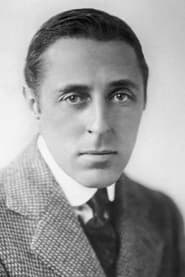
More from D.W. Griffith
View all →
More about this film
About the production
Release dateFebruary 6, 1913
ProductionAmerican Mutoscope and Biograph Company
Filmed inCalifornia, Possibly Big Bear Lake area
This was one of D.W. Griffith's numerous short films for Biograph Company during his most prolific period. The film was likely shot quickly, as was typical for Biograph productions of this era, with Griffith often directing multiple films in a single week. The mountain setting suggests location shooting, which was becoming more common during this period as filmmakers sought authentic backgrounds away from studio sets.
Themes
Rural innocence versus worldly experienceParent-child relationshipsSpiritual crisis and redemptionThe tension between mountain and valley lifeComing of age
Themes & topics
mountain girllost travelerspiritual crisisfather-daughter relationshiprural lifetemptationredemptionhomecoming
Historical background
Production circa 1913 meant fixed cameras, intertitles or early sound rigs, and studio economies that shaped every scene in The Little Tease.
Why this film matters
Surviving prints of The Little Tease document how 1913-era filmmakers solved story problems with limited means.
Making of
The production of 'The Little Tease' took place during Griffith's revolutionary period at Biograph, where he was developing many of the cinematic techniques that would later define classical Hollywood filmmaking. The mountain setting suggests that Griffith took his cast and crew on location, a practice he was pioneering at the time. Mae Marsh, who was just 19 when was made, was developing the screen persona that would make her especially popular actresses of the 1910s. The film's themes of rural innocence versus worldly experience were typical of Griffith's work, reflecting his interest in contrasting different ways of American life. The production would have been completed in just a few days, as was standard for Biograph one-reelers, with minimal scripting and much improvisation on set.
What critics said
Audience data from 1913 is sparse; reception for The Little Tease is inferred from reissue and archival interest.
Did you know?
- was released during D.W. Griffith's most productive period at Biograph, where he directed over 400 short films between 1908 and 1913.
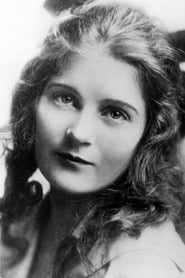
- Mae Marsh, who plays the title role, was one of Griffith's favorite actresses and would later star in his controversial epic 'The Birth of a Nation' (1915).
- The film was part of Griffith's exploration of rural and mountain life themes, which he frequently visited in his Biograph period.
- Like many Biograph films of this era, it was likely shot on 35mm film with a single camera setup per scene.
- The 'beloved book' mentioned in the synopsis likely refers to the Bible, reflecting the religious themes common in Griffith's early work.
- was released just before Griffith began his transition to feature-length films, with 'Judith of Bethulia' (1914) being his last Biograph production.
- The film's title 'The Little Tease' reflects the common practice of giving descriptive, character-focused titles to early cinema shorts.
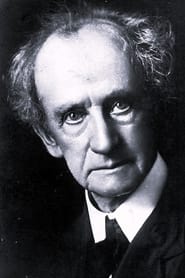
- W. Chrystie Miller, who plays the father, was a regular in Griffith's films and often portrayed paternal figures.
Visual style
The cinematography would have been handled by Billy Bitzer or another Biograph cameraman, using the standard equipment of the period. The film likely features the natural lighting and location shooting that Griffith was pioneering during this time. The mountain setting would have provided dramatic visual contrasts and opportunities for the deep focus photography that Griffith and his cameramen were developing. The camera work would have been relatively static by modern standards, but included the innovative use of different shot sizes that Griffith was helping to establish as cinematic language.
Innovations
While 'The Little Tease' does not represent a major technical breakthrough, it was produced during a period of rapid technical innovation in cinema. The film likely benefited from Griffith's developing use of cross-cutting to build suspense and emotional impact, as well as his pioneering work with different camera angles and movements. The location shooting in mountain terrain presented technical challenges that the Biograph crew was becoming adept at handling, including transporting equipment and dealing with natural lighting conditions. The film represents the refinement of the film grammar that Griffith and his collaborators were establishing during this period.
Music
As a silent film, 'The Little Tease' would have been accompanied by live music during its theatrical run. The accompaniment could have ranged from a single piano in smaller venues to a small orchestra in larger theaters. The music would have been selected to match the mood of each scene, with popular songs of the period and classical pieces used to underscore emotional moments. The Biograph Company sometimes provided musical suggestions with their films, but individual theaters often made their own selections based on available musicians and local preferences.
Famous quotes
The supposition was that she was born a tease, for from her first teeth to the time she was almost grown, she vented her witcheries on her unsuspecting parents and the wild things of her mountain home.
He felt the precepts of the 'beloved book' had failed him.
Memorable scenes
- The final scene where the light from the father's cabin window returns to guide the little tease home, symbolizing reconciliation and the restoration of faith
What audiences thought
Audiences in 1913 would have viewed 'The Little Tease' as part of a varied program of short films, newsreels, and possibly a live vaudeville act. The film's rural setting and moral themes would have appealed to the predominantly working-class and middle-class audiences of nickelodeons and small theaters. Mae Marsh's growing popularity as a screen personality would have drawn audiences to the film. The simple, emotionally direct storytelling style was well-suited to audiences still adapting to the new medium of cinema, who preferred clear narratives and relatable characters over complex or ambiguous storytelling.
Film connections
Influenced by
- Earlier Biograph shorts by Griffith
- 19th century American literature about rural life
- Stage melodramas
- Religious parables and allegories
This film influenced
- Later Griffith films featuring rural characters
- Other Biograph productions with similar themes
- 1910s films featuring innocent young women protagonists
Film restoration
The preservation status of 'The Little Tease' is uncertain, as many Biograph films from this period have been lost or survive only in fragmentary form. The film is not among the well-preserved Griffith titles, and its availability for viewing is extremely limited. Some early cinema archives may hold copies, but it is not widely accessible to the public. The Library of Congress and other major film archives should be consulted for any existing prints or fragments.
Where to watch
- The film is not currently available on major streaming platforms or home video. Access would likely require viewing at specialized film archives such as the Library of Congress, the Museum of Modern Art's film collection, or other institutions that preserve early American cinema. Some film societies or museums specializing in silent cinema might occasionally screen the film as part of special programs on D.W. Griffith's early work.