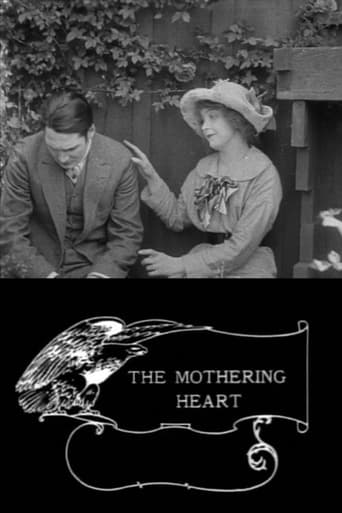
Viola Barry
Actor
Born: March 4, 1894 in Evanston, Illinois, USA Died: April 2, 1964 Active: 1913 Birth Name: Viola Margaret Barry
Films
2 films
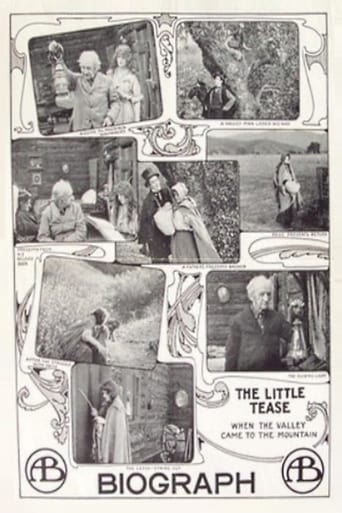
About Viola Barry
American silent film actress who emerged during the years of cinema, working primarily with the Biograph Company in the early 1910s. Her brief but notable career coincided with the formative period of American filmmaking when directors like D.W. Griffith were establishing the language of cinema. Barry appeared in several significant Biograph productions, often playing supporting roles alongside emerging stars of the silent era. Her most memorable performances came in 1913, including her role in Griffith's acclaimed drama 'The Mothering Heart,' which showcased the emotional depth possible in silent performance. Despite her talent and the quality of her work, Barry's film career was remarkably brief, spanning essentially just the year 1913. Like many early film performers, she disappeared from the screen as quickly as she appeared, leaving behind a small but valuable contribution to early American cinema. Her work survives as part of the important legacy of the Biograph Company and the development of narrative filmmaking in the United States.
The Craft
On Screen
As a performer in the early silent era, Viola Barry employed the exaggerated gestures and facial expressions typical of the period, but with a naturalistic quality that was emerging in Biograph productions under D.W. Griffith's direction. Her performances demonstrated the transition from theatrical stage acting to more subtle, camera-appropriate techniques that would define silent film performance.
Milestones
- Debut in D.W. Griffith's 'The Mothering Heart' (1913)
- Appeared in multiple Biograph Company productions
- Worked during the foundational period of American cinema
- Part of the early silent film acting community
Best Known For
Iconic Roles
Must-See Films
Accolades
Special Recognition
- Recognized as part of the early Biograph Company players in film history
Working Relationships
Worked Often With
Studios
Why They Matter
Impact on Culture
Viola Barry's contribution to cinema, though brief, represents the important work of countless early film actors who helped establish the foundation of American filmmaking. Her appearances in Biograph productions during this crucial period of 1913 place her within the context of cinema's transition from novelty to art form. The films she participated in, particularly those directed by D.W. Griffith, were instrumental in developing film techniques and narrative structures that would influence generations of filmmakers. While she never achieved stardom, her work survives as part of the collective effort that transformed motion pictures from simple entertainments into a sophisticated artistic medium.
Lasting Legacy
Viola Barry's legacy is primarily preserved through the surviving Biograph films in which she appeared, which are studied by film historians and scholars interested in the early development of American cinema. Her work serves as an example of the many talented performers who contributed to the silent era's growth but whose names were largely lost to history. The films she participated in, particularly 'The Mothering Heart,' remain important artifacts from the period when cinema was establishing itself as America's dominant storytelling medium.
Who They Inspired
Due to her brief career and supporting roles, Viola Barry's direct influence on other performers or filmmakers is not well documented. However, her work as part of the Biograph Company contributed to the overall development of acting techniques for the screen during a period when the art of film performance was still being defined. The films she appeared in influenced countless filmmakers and actors who studied the early works of D.W. Griffith and his company.
Off Screen
After her brief film career, Viola Barry largely disappeared from public life and entertainment circles. She married and lived a private life away from the film industry, which was not uncommon for early silent film actors whose careers were often short-lived. She spent her later years in California, passing away in Los Angeles County in 1964, having lived long enough to see the transformation of the film industry she briefly participated in during its infancy.
Education
Educational background not documented in historical records
Family
- Unknown (private marriage after film career)
Did You Know?
- Her entire known film career lasted only one year (1913)
- She worked during the same period at Biograph when future stars like Lillian Gish and Mary Pickford were getting their starts
- The Mothering Heart (1913) is considered one of D.W. Griffith's most important early films
- Like many early film actors, she used her real name professionally rather than adopting a stage name
- Her films were shot on the East Coast before the film industry migrated to Hollywood
- She was part of the Biograph Company during its most creative period under Griffith's direction
- Her career ended before the feature film became the dominant format in Hollywood
- She lived to see the complete transformation of the film industry from silent to sound to color
In Their Own Words
No documented quotes from Viola Barry survive from her brief public career
Frequently Asked Questions
Who was Viola Barry?
American silent film actress who worked briefly in 1913 with the Biograph Company, appearing in several early films including D.W. Griffith's 'The Mothering Heart.' Her career was short but represents the era of American cinema.
What films is Viola Barry best known for?
Titles linked here include The Mothering Heart (1913), The Little Tease (1913).
When was Viola Barry born and when did she die?
Born March 4, 1894; died April 2, 1964.
What awards did Viola Barry win?
Viola Barry did not receive any major awards or nominations during her brief career, as the Academy Awards were not established until 1929, well after she had left the film industry. Her recognition comes primarily from film historians studying early cinema.
What was Viola Barry's acting style?
Barry employed the typical acting style of the early silent era, using exaggerated gestures and facial expressions suited to the medium, but with growing naturalism that characterized Biograph productions under D.W. Griffith's direction during this transitional period in film performance.
Why was Viola Barry's career so short?
Viola Barry's career lasted only one year (1913), which was not uncommon for early film actors. Many performers appeared briefly in the days of cinema before leaving the industry, as film work was often unstable and the profession was still establishing itself as a viable career path.
Did Viola Barry work with any famous directors?
Yes, Viola Barry worked with D.W. Griffith,. Her appearances in his Biograph productions place her among the actors who helped establish narrative filmmaking techniques that would influence cinema for decades.