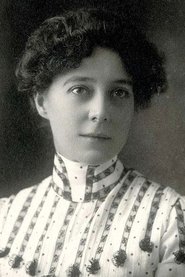
Dorothy Bernard
Actor
Born: June 25, 1890 in Port Elizabeth, Cape Colony, South Africa Died: December 15, 1955 Active: 1908-1913
Films
14 films
What's Your Hurry?
1909
The Cord of Life
1909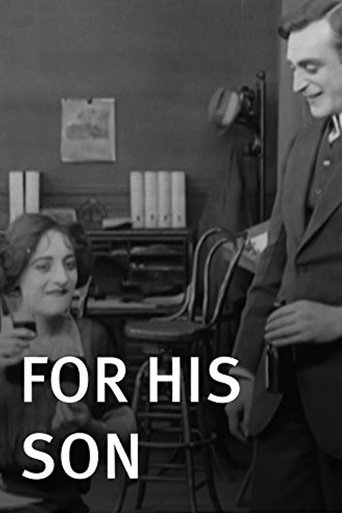
For His Son
1912
A Flash of Light
1910
Fate's Turning
1911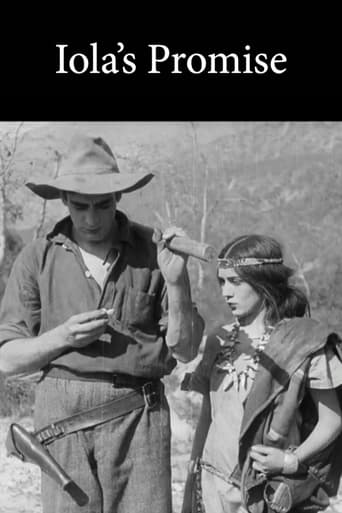
Iola's Promise
1912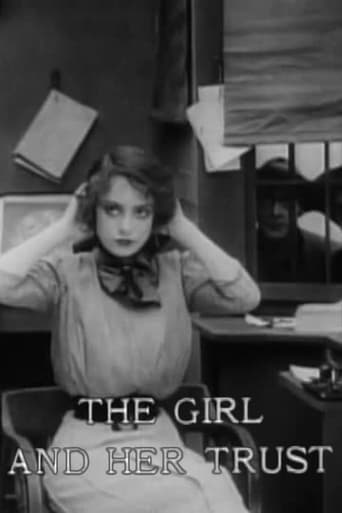
The Girl and Her Trust
1912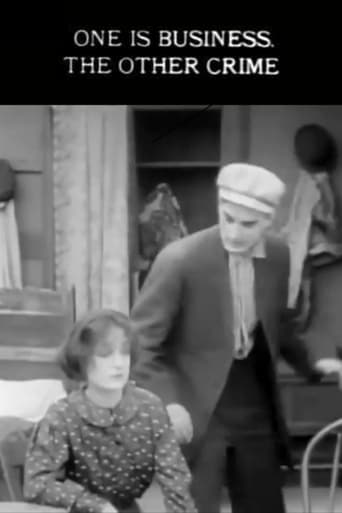
One Is Business, the Other Crime
1912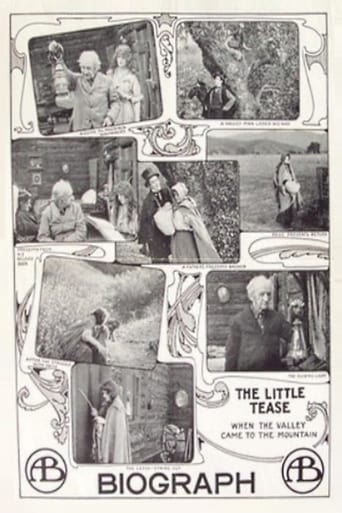
The Little Tease
1913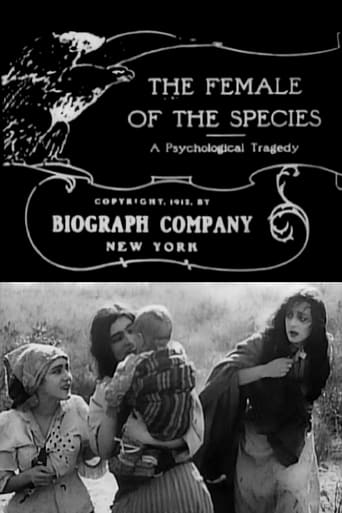
The Female of the Species
1912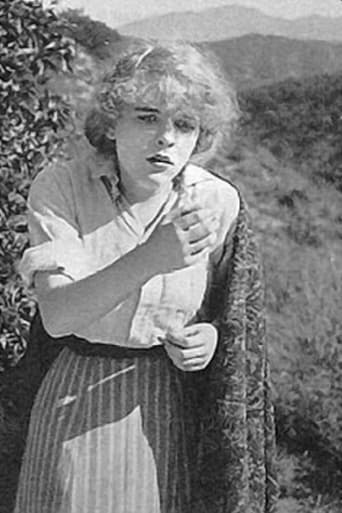
The Goddess of Sagebrush Gulch
1912
The Girls and Daddy
1909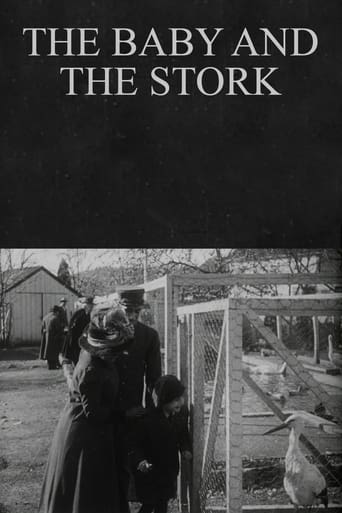
The Baby and the Stork
1911About Dorothy Bernard
Actress of the early silent film era, born in 1890 in Port Elizabeth, South Africa, to British parents. She began her film career with the Biograph Company in 1908, working alongside director D.W. Griffith during the formative years of American cinema. Bernard appeared in numerous short films between 1908 and 1913, often playing leading roles in dramatic pictures that showcased the emerging narrative techniques of the medium. Her performances in films like 'An Awful Moment' and 'The Cord of Life' demonstrated remarkable emotional range for the period, helping establish the dramatic potential of cinema as an art form. She worked frequently with other Biograph regulars including Mary Pickford, Mack Sennett, and Owen Moore, becoming part of the core group that shaped early American filmmaking. Bernard's career was relatively brief but significant, spanning the crucial transition period when cinema evolved from novelty to serious artistic expression. After her film career ended around 1913, she largely disappeared from public records, making her one of many early film pioneers whose contributions were largely forgotten by later generations.
The Craft
On Screen
Bernard's acting style was characteristic of the transitional period between theatrical and cinematic performance techniques. She employed exaggerated gestures and facial expressions typical of early cinema, necessary to convey emotion in the absence of dialogue and limited intertitles. Her performances showed a naturalistic quality that was progressive for the time, moving away from the purely theatrical approach of earlier film actors. Bernard demonstrated particular skill in dramatic roles, effectively portraying emotional turmoil and moral conflict through subtle changes in expression and body language.
Milestones
- Debuted in D.W. Griffith's 'An Awful Moment' (1908)
- Leading actress for Biograph Company during its golden era
- Starred in over 30 short films in five years
- Worked during the transition from one-reel to multi-reel films
- Part of the foundational group of American cinema pioneers
Best Known For
Iconic Roles
Must-See Films
Accolades
Special Recognition
- Recognized as early cinema pioneer in film historical societies
- Featured in silent film retrospectives and archives
Working Relationships
Worked Often With
Studios
Why They Matter
Impact on Culture
Dorothy Bernard represents the crucial generation of performers who helped establish the language of cinema acting. Working during the period when film was transitioning from novelty to art form, her performances contributed to the development of cinematic storytelling techniques. As a Biograph regular, she was part of the creative environment that pioneered close-ups, cross-cutting, and other fundamental film techniques. Though not as famous as contemporaries like Mary Pickford, Bernard's work exemplified the shift from theatrical to cinematic performance styles that would define silent film acting. Her active years covered the period when American cinema was establishing its identity, and her films serve as important historical documents of early 20th century cultural values and storytelling methods.
Lasting Legacy
Dorothy Bernard's legacy lies in her role as one of the foundational actresses of American cinema, contributing to the development of film acting during its most formative years. Her surviving works, preserved in film archives, provide valuable insight into early cinematic techniques and performance styles. While largely forgotten by mainstream audiences, she is recognized by film historians as an important figure in the transition from stage to screen acting. Bernard represents the many talented performers of early cinema whose contributions were overshadowed by later stars but were essential to establishing cinema as a legitimate art form. Her work continues to be studied by scholars of silent film and serves as a reminder of the collaborative nature of early American filmmaking.
Who They Inspired
As an early pioneer, Bernard's influence was primarily on the development of cinematic acting techniques rather than on specific individuals who followed her. Her naturalistic approach to emotional expression helped move film acting away from purely theatrical gestures toward a more subtle, camera-appropriate style. The techniques she employed in conveying emotion without dialogue influenced subsequent generations of silent film actors. While she did not directly mentor famous performers, her work as part of the Biograph Company contributed to the creative environment that produced many of early Hollywood's biggest stars and most innovative directors.
Off Screen
Dorothy Bernard was born to British parents in South Africa but spent much of her early life in England before the family moved to the United States. She married fellow actor and director Harry Solter in 1910, though the marriage ended in divorce. After leaving the film industry around 1913, she largely withdrew from public life and little is known about her later years. She spent her final years in Los Angeles and passed away in 1955 at age 65, having lived to see cinema transform into the major art form she helped establish in its infancy.
Education
Limited information available, likely received basic education in England before entering entertainment industry
Family
- Harry Solter (1910-1913)
Did You Know?
- Born in South Africa to British parents, making her one of the international pioneers of American cinema
- Began her film career at age 18, during the very early days of American narrative filmmaking
- Worked with D.W. Griffith during his most innovative period at Biograph
- Appeared in over 30 films in just five years, an impressive pace even for the era
- Her marriage to director Harry Solter connected her to one of early Hollywood's power couples
- Many of her films are considered lost, a common fate for early cinema
- Represented the transition from one-reel to multi-reel films
- Her career ended just as the feature film was becoming dominant
- Part of the first generation of actors who never performed in legitimate theater before films
- Her films are preserved in major archives including the Library of Congress
In Their Own Words
No documented famous quotes from Dorothy Bernard exist, which was common for early film actors who rarely gave interviews
Frequently Asked Questions
Who was Dorothy Bernard?
silent film actress who worked primarily with the Biograph Company between 1908 and 1913, appearing in numerous early American films directed by D.W. Griffith and other early cinema innovators.
What films is Dorothy Bernard best known for?
Titles linked here include An Awful Moment (1908), The Cord of Life (1909).
When was Dorothy Bernard born and when did she die?
Born June 25, 1890; died December 15, 1955.
What awards did Dorothy Bernard win?
Dorothy Bernard did not receive any formal awards during her career, as she worked during the very early days of cinema before award systems were established. She is recognized today as an important early film pioneer.
What was Dorothy Bernard's acting style?
Bernard's acting style was transitional between theatrical and cinematic techniques, using exaggerated expressions appropriate for early silent films while showing naturalistic qualities that were progressive for her time.