
An Awful Moment
"Courtroom grudge, domestic peril"
Keys: Space play/pause · ←/→ 10s · F fullscreen · M mute · </> speed
About this film
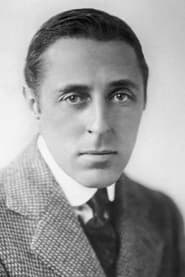
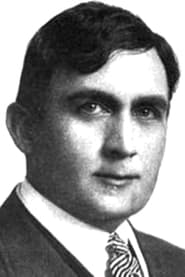
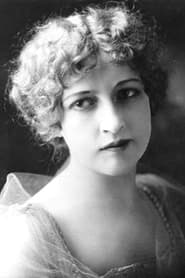
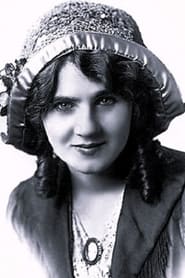
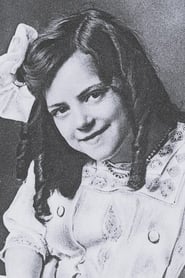
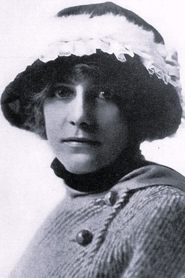
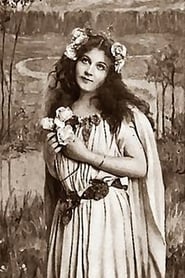
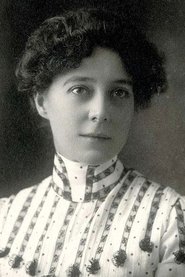
After sentencing a man, a judge faces revenge when a gypsy woman he ejected from court follows him home and plots against his wife. D.W. Griffith's 1908 Biograph one-reeler stars Harry Solter, Marion Leonard, and Florence Lawrence in a melodramatic chase.
Cast & crew
More films like this
More Drama films
View all →







More from D.W. Griffith
View all →
More about this film
About the production
Release dateJune 1908
ProductionAmerican Mutoscope and Biograph Company
Filmed inNew York City, New York, Biograph Studio, New York
was shot during D.W. Griffith's early period at Biograph, where he directed hundreds of short films. The production was completed in just one or two days, typical of Biograph's rapid production schedule. The film utilized interior sets for the courtroom and judge's home scenes, with exterior shots likely filmed on location in New York. The gypsy character's costume and makeup were designed to emphasize her 'exotic' nature to contemporary audiences.
Themes
Justice and its consequencesRevenge and vengeanceInnocent sufferingSocial class and authorityEthnic stereotypes and otherness
Themes & topics
Historical background
Griffith was refining cross-cutting and suspense at Biograph; An Awful Moment belongs to his prolific 1908 output before longer multi-reel narratives.
Why this film matters
While 'An Awful Moment' is not among Griffith's most celebrated works, it represents an important step in the development of narrative cinema and Griffith's evolution as a filmmaker. The film demonstrates early experimentation with dramatic tension and character motivation, elements that would become central to Griffith's later masterpieces. It also reflects the emerging star system, featuring Florence Lawrence before she became the first recognized movie star. The film's themes of justice and revenge tapped into popular melodramatic conventions that appealed to working-class audiences of the nickelodeon era. As part of Griffith's extensive Biograph output, contributed to the director's rapid development of cinematic language and techniques that would influence generations of filmmakers. The portrayal of the gypsy character, while stereotypical by modern standards, reflects early cinema's engagement with ethnic 'otherness' as a source of dramatic conflict.
Making of
The making of 'An Awful Moment' occurred during a pivotal period in cinema history when D.W. Griffith was transitioning from acting to directing at Biograph. The film was shot in just a few hours using natural lighting for interior scenes, as artificial lighting was still primitive in 1908. Griffith was already experimenting with narrative techniques, including cross-cutting between the courtroom and the gypsy's subsequent actions. The cast, particularly Marion Leonard as the gypsy, had to perform with exaggerated gestures typical of silent film acting to convey emotion without dialogue. The Biograph Company operated under strict efficiency, with films like this typically completed from script to final cut in less than a week. This rapid production pace allowed Griffith to direct dozens of films in 1908 alone, giving him invaluable experience that would later revolutionize cinematic storytelling.
What critics said
Historians discuss the short within Griffith's early moral melodramas. It survives as an example of nickelodeon-era narrative compression.
Did you know?
- This was one of D.W. Griffith's earliest directorial efforts, made when he was still learning the craft of filmmaking
- The film features Florence Lawrence in an uncredited role as the judge's wife, before she became known as 'The Biograph Girl' and the first movie star
- Marion Leonard, who plays the gypsy woman, was one of Griffith's favorite early actresses and appeared in dozens of his Biograph films
- The film was shot on 35mm film at Biograph's standard frame rate of approximately 16 frames per second
- Like many Biograph films of this era, it was originally released on a split reel with another short film to maximize theater programming
- The courtroom set was reused in multiple Biograph productions due to the company's efficient production methods
- demonstrates Griffith's early interest in social justice themes and the consequences of legal decisions
- The gypsy character reflects common ethnic stereotypes of the early 20th century, portraying Romani people as passionate and vengeful
- The film's title 'An Awful Moment' was typical of Biograph's descriptive, melodramatic naming conventions
- Harry Solter, who plays the judge, later became a film director himself, working primarily with his wife Florence Lawrence
Visual style
The cinematography of 'An Awful Moment' reflects the technical limitations and aesthetic conventions of 1908 filmmaking. Shot by Biograph's regular cameraman G.W. Bitzer (who would become Griffith's primary collaborator), the film uses static camera positions typical of the period. The lighting relies primarily on natural light from studio windows, creating the high-contrast look characteristic of early cinema. The composition follows theatrical conventions, with actors arranged in tableaux-like groupings for maximum clarity. The film uses medium shots for the courtroom scenes and closer framing for intimate moments, showing Griffith's early experimentation with shot variety. The camera work, while technically simple by modern standards, demonstrates the growing sophistication of cinematic visual language as filmmakers moved away from purely theatrical presentation.
Innovations
While 'An Awful Moment' does not feature major technical innovations, it represents the solidification of several important cinematic techniques that were still developing in 1908. The film demonstrates effective use of continuity editing to maintain narrative flow between scenes. Griffith's direction shows early mastery of screen direction and spatial relationships, helping audiences follow the story's geography. The film's pacing and rhythm reflect an understanding of dramatic timing that was still emerging in cinema. The use of close-ups for emotional emphasis, while limited, shows the beginning of Griffith's early work with intimate framing. The production also demonstrates Biograph's efficient workflow and standardization of film production processes, which helped establish the industrial model for American filmmaking.
Music
As a silent film, 'An Awful Moment' had no synchronized soundtrack. The musical accompaniment would have been provided live in theaters, typically by a pianist or small ensemble. The music would have been selected to match the film's dramatic mood, with tense, minor-key passages for the courtroom scene and more agitated music during the gypsy's revenge plot. Some theaters might have used cue sheets provided by Biograph, suggesting appropriate musical pieces for different scenes. The musical style would have reflected popular tastes of 1908, likely drawing from classical repertoire, popular songs, and theatrical music of the period. The live musical performance was an integral part of the viewing experience, helping to convey emotion and build dramatic tension in the absence of dialogue.
Famous quotes
No dialogue exists in this silent film
Memorable scenes
- The explosive courtroom scene where the gypsy woman violently protests the judge's sentence, requiring officers to forcibly remove her while she struggles dramatically
- The tense sequence where the gypsy woman follows the judge home and stalks the residence, building suspense for her revenge plot
- The climactic confrontation between the gypsy and the judge's innocent wife, where the revenge is carried out with melodramatic intensity
What audiences thought
Audience reception for 'An Awful Moment' in 1908 would have been typical of Biograph's popular melodramas, appealing to nickelodeon patrons who enjoyed dramatic stories with clear moral conflicts. The film's themes of justice and revenge resonated with working-class audiences who often felt disconnected from the legal system. The gypsy character's passionate performance would have provided the emotional spectacle that early film audiences craved. Like most Biograph shorts of this era, the film likely played to packed houses in nickelodeons across America, where audiences paid a nickel to see several short films in one program. The film's dramatic content and relatively straightforward narrative would have made it accessible to the largely immigrant, working-class audiences who constituted the primary moviegoing public of 1908.
Film connections
Influenced by
- Theatrical melodrama
- Stage plays of the early 1900s
- Contemporary literature about justice and revenge
- Earlier Biograph shorts
- French narrative films
This film influenced
- Later Griffith Biograph shorts with similar themes
- Early American melodramas
- Courtroom dramas of the silent era
- Films exploring revenge themes
Film restoration
The film survives and is preserved in the Library of Congress collection as part of the Biograph Company papers. A 16mm reduction print exists and has been digitized for archival purposes. The film is considered to be in relatively good condition for its age, though some deterioration is evident. The preservation status reflects the fortunate survival of many Biograph films due to the company's practice of making duplicate prints for copyright purposes.
Where to watch
- The film is available on the Internet Archive
- Included in some D.W. Griffith collections on DVD
- Available through various streaming services specializing in classic cinema
- Can be viewed at film archives and museums with access to Biograph collections
- Sometimes screened at classic film festivals and retrospectives