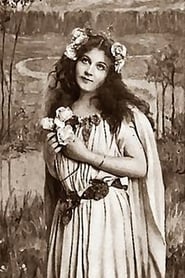
Florence Barker
Actor
Born: September 22, 1888 in Los Angeles, California, USA Died: February 15, 1910 Active: 1908-1910
Films
9 films

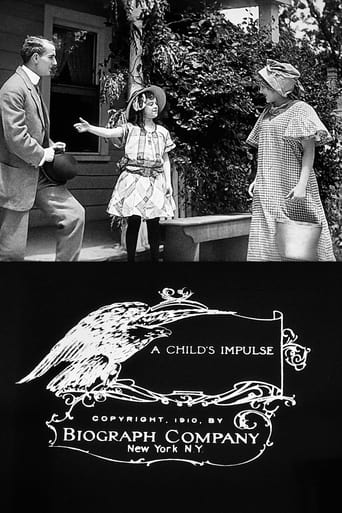
About Florence Barker
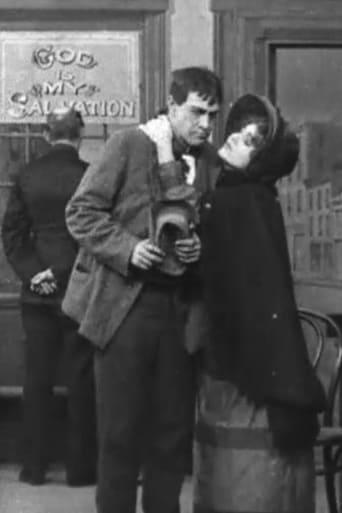
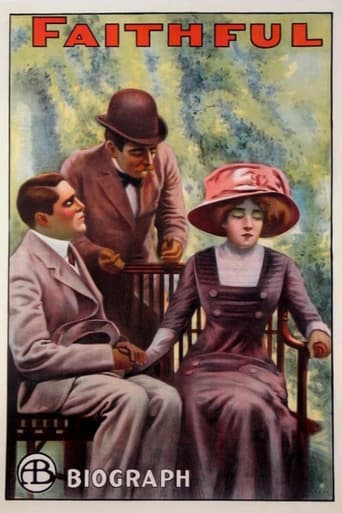
American actress who worked during the earliest years of American cinema, appearing in numerous short films for the Biograph Company. She began her film career in 1908, working with director D.W. Griffith during his formative years at Biograph, where she quickly became one of the studio's featured actresses. Barker appeared in over 30 short films between 1908 and 1910, often playing leading roles opposite actors like Mack Sennett, Henry B. Walthall, and Owen Moore. Her performances were characterized by their naturalistic style for the era, helping to establish the emotional depth that would become standard in narrative cinema. Despite her brief career spanning only three years, she was one of the first recognizable film stars in America, though her name was not always Florence Barker appeared in early releases. Her career was cut short by her untimely death in 1910 at the age of 22, just as the film industry was transitioning toward feature-length productions. Today, she is remembered as an important figure in the development of American narrative cinema and one of the earliest film actresses to achieve recognition.
The Craft
On Screen
Naturalistic and emotionally expressive for the silent era, known for her ability to convey complex emotions through subtle gestures and facial expressions, which was innovative for early cinema when exaggerated pantomime was common
Milestones
- One of the first leading ladies of American cinema
- Prolific actress at Biograph Company
- Worked extensively with D.W. Griffith during his early directing period
- Appeared in over 30 films in just three years
- Helped establish naturalistic acting style in early cinema
Best Known For
Iconic Roles
Must-See Films
Accolades
Special Recognition
- Recognized as one of the actresses of American cinema
- Featured in film history retrospectives about early Biograph players
Working Relationships
Worked Often With
Studios
Why They Matter
Impact on Culture
Florence Barker played a significant role in the development of American narrative cinema during its most formative years. As one of the first recognizable film actresses, she helped establish the concept of the film star, transitioning cinema from a novelty attraction to a medium with identifiable personalities that audiences could follow and admire. Her work with D.W. Griffith contributed to the evolution of film acting from theatrical pantomime to more naturalistic, emotionally nuanced performances that would become standard in narrative cinema. Barker's performances in Biograph shorts demonstrated how silent film could convey complex emotional stories without dialogue, helping to prove cinema's legitimacy as an art form capable of dramatic expression.
Lasting Legacy
Florence Barker's legacy is that of a figure who helped shape American cinema during its infancy. Though her career was tragically cut short, her work survives as proof of the early development of film acting and narrative storytelling. She represents the first generation of film actors who had to invent their craft without precedents, creating techniques that would influence generations of performers. Film historians and silent cinema enthusiasts recognize her as an important contributor to the Biograph Company's golden era, working alongside other pioneers who established the foundations of Hollywood cinema. Her brief but prolific career serves as a reminder of the many talents lost during the early years of cinema, whose contributions helped build an industry that would soon transform global entertainment.
Who They Inspired
While Florence Barker's direct influence on later actors is difficult to trace due to her early death, her naturalistic acting style helped establish a new approach to film performance that moved away from theatrical traditions. Her work with D.W. Griffith contributed to the development of cinematic acting techniques that would be refined and expanded by subsequent generations of performers. The emotional depth and subtlety she brought to her roles helped demonstrate film's potential as a medium for nuanced character portrayal, influencing how directors and actors approached performance in narrative cinema.
Off Screen
Florence Barker's personal life was tragically brief, ending at the young age of 22. She was born and raised in Los Angeles, making her one of the few early film stars who was actually a California native during an era when many actors came from the East Coast. Her career was at its peak when she contracted pneumonia, which led to her sudden death in February 1910. At the time of her death, she was considered. Her passing was widely reported in trade publications and was noted as a significant loss to the Biograph Company, which had invested heavily in promoting her as one of their stars.
Did You Know?
- Died at age 22 from pneumonia, just as her career was reaching its peak
- Appeared in over 30 films in just three years, making her
- Never received on-screen credit for most of her roles, as was common practice in early cinema
- Was one of the few California natives in early film, when most actors came from New York theater
- Her death was reported in trade papers as a significant loss to the Biograph Company
- Worked during the period when film was transitioning from short novelty pieces to narrative storytelling
- Was part of the stock company at Biograph that included many future film pioneers
- Her films were shot in New York and New Jersey before the industry moved to Hollywood
- Appeared in several films that are now considered important early works of American cinema
- Her career coincided with the development of many fundamental film techniques including close-ups and cross-cutting
Frequently Asked Questions
Who was Florence Barker?
American actress who worked during the earliest years of cinema (1908-1910), primarily with the Biograph Company. She was one of the first recognizable film stars in America, appearing in over 30 short films before her untimely death at age 22.
What films is Florence Barker best known for?
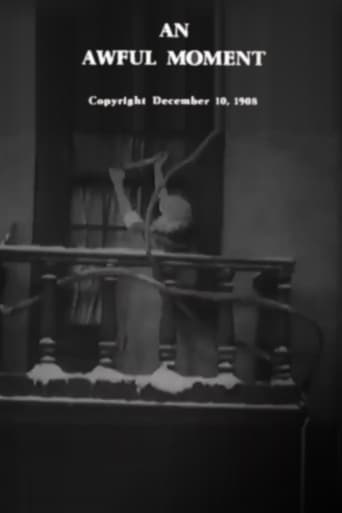
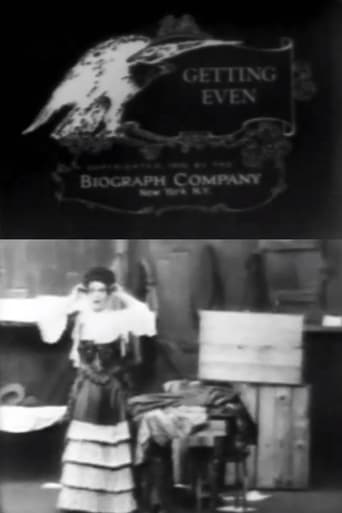
Titles linked here include An Awful Moment (1908), Getting Even (1909).
When was Florence Barker born and when did she die?
Born September 22, 1888; died February 15, 1910.
What awards did Florence Barker win?
Florence Barker did not receive any formal awards during her lifetime, as the film industry was too young to have established award ceremonies. She is recognized retrospectively as an important pioneer of early American cinema.
What was Florence Barker's acting style?
Barker was known for her naturalistic and emotionally expressive acting style, which was innovative for the silent era when exaggerated theatrical gestures were common. She helped establish more subtle, nuanced performances that would become standard in narrative cinema.
How did Florence Barker die?
Florence Barker died from pneumonia on February 15, 1910, at the young age of 22. Her sudden death cut short a promising career during the formative years of American cinema.
Did Florence Barker work with any famous directors?
Yes, Florence Barker worked extensively with D.W. Griffith during his early years at the Biograph Company. Griffith would become.