
Getting Even
"All the young men in the mining camp flirt with Lucy"
Keys: Space play/pause · ←/→ 10s · F fullscreen · M mute · </> speed
About this film
All the young men in the mining camp flirt with Lucy. Bud, the youngest of them, doesn't stand a chance. At a dance, Bud dresses as a woman and all the men flirt with him and abandon Lucy.
Cast & crew
More films like this


More Comedy films
View all →







More from D.W. Griffith
View all →
More about this film
About the production
Release dateOctober 11, 1909
ProductionAmerican Mutoscope and Biograph Company
Filmed inNew York City, Fort Lee, New Jersey
This was one of hundreds of short films D.W. Griffith directed for Biograph during their prolific 1908-1913 period. The film was shot quickly in one or two days on Biograph's New York studio sets or nearby outdoor locations, typical of the factory-like production system of the era. The mining camp setting was likely created on a studio backlot rather than filmed at an actual mining location.
Themes
Comedy of mistaken identityRomantic competitionCleverness triumphing over disadvantageGender roles and disguiseComing of age
Themes & topics
Historical background
Getting Even (1909) emerged during the earliest years of motion pictures. All the young men in the mining camp flirt with Lucy. Archival records and catalog entries help place the work within film-history surveys of the period.
Why this film matters
Preserved under Wikidata ID Q2564816, Getting Even is valued as a comedy within catalog and archive collections. Wikipedia's "Getting Even (1909 film)" entry connect it to broader histories of cinema exhibition and restoration.
Making of
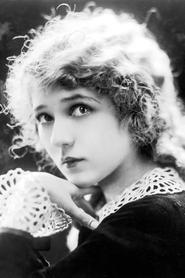
The film was made during D.W. Griffith's incredibly productive period at Biograph, where he was directing multiple films per week. The cast worked under the studio system where actors were paid weekly salaries and appeared in numerous films without specific billing. Mary Pickford, though still early in her career, was already showing the star quality that would make her the most famous actress in the world. The cross-dressing sequence would have required Billy Quirk to work with the costume department to create a convincing female disguise, a common challenge in comedy films of the era. The dance scenes were likely choreographed quickly and shot in long takes to save time and film stock, which was expensive in 1909.
What critics said
Trade and archival sources offer limited day-one review coverage for Getting Even. Modern reception rests on its availability in collections, repertory screenings, and reference works that document 1909 cinema.
Did you know?
- This film represents one of Mary Pickford's earliest screen appearances before she became known as 'America's Sweetheart'
- Cross-dressing comedy was a popular trope in early silent cinema, with male stars frequently donning women's clothing for comic effect
- The film was shot on 35mm film at Biograph's unique 68mm format before being reduced for distribution
- D.W. Griffith directed over 450 short films in his career, with this being one of his early comedies before he revolutionized cinematic storytelling
- Billy Quirk was one of Griffith's favorite comedy actors during this period, appearing in dozens of Biograph shorts
- The film was released during the height of the nickelodeon era, when short films like this were the primary entertainment in small theaters
- Like most Biograph films of this period, it was released without individual credits, with actors and crew only identified through later research
- The mining camp setting reflects the popular fascination with the American West in early 20th century entertainment
- This film was part of Biograph's strategy to release multiple new films each week to satisfy the insatiable demand of nickelodeon theaters
- The dance sequence would have been accompanied by live music in theaters, typically piano or organ music selected by the theater's musician
Visual style
The cinematography was typical of Biograph films from 1909, featuring static camera positions and wide shots to capture the full action. The film was likely shot by Biograph's regular cameramen such as G.W. Bitzer or Arthur Marvin, who worked with Griffith during this period. Lighting would have been natural or simple studio lighting, as sophisticated lighting techniques were not yet developed. The camera work emphasized clarity and the ability to see all the characters' actions, crucial for the comedy to land effectively with audiences.
Innovations
While not technically innovative, the film represents the solid craftsmanship of Biograph's production system. The effective use of editing to reveal the disguise at the right moment demonstrates the growing sophistication of narrative techniques in 1909. The film's clear storytelling and visual gags show how filmmakers were learning to use the medium's unique capabilities for comedy.
Music
As a silent film, it had no synchronized soundtrack. The music would have been provided live by the theater's pianist or organist, who would select appropriate pieces from their repertoire to match the action on screen. Upbeat music would accompany the dance sequences, more dramatic music for the romantic moments, and comedic music for the disguise scenes. Some theaters might have used sound effects like bells or whistles to enhance the comedic moments.
Famous quotes
(Silent film - no dialogue quotes available)
Memorable scenes
- The reveal scene where Bud's disguise is discovered at the dance, causing shock and embarrassment among the other suitors who had been flirting with him, followed by his triumphant dance with Lucy as the other men retreat in shame.
What audiences thought
Nickelodeon audiences of 1909 would have found this film highly entertaining, with its simple comedy, romantic elements, and the surprise of the cross-dressing reveal. The seven-minute runtime was perfect for the varied programming of nickelodeon theaters, which typically showed multiple short films along with live acts. The film's straightforward plot and visual gags would have been easily understood by the diverse, often immigrant audiences who frequented early movie theaters. The presence of Mary Pickford, even before she was a major star, would have been an attraction for regular filmgoers who were beginning to recognize favorite performers.
Film connections
Influenced by
- Vaudeville comedy traditions
- Stage comedies of disguise
- Earlier Biograph shorts
- Shakespearean comedy elements
This film influenced
- Later cross-dressing comedies
- Other early romantic comedies
- Films featuring disguise as a plot device
Film restoration
The preservation status of this specific film is unclear, as many Biograph films from 1909 have been lost. However, the Library of Congress and other archives hold extensive collections of Biograph films, and some prints may exist in film archives or private collections. The film's survival would depend on whether any nitrate copies were preserved before they deteriorated or whether paper prints submitted for copyright purposes survived.
Where to watch
- If preserved, the film may be available through film archives like the Library of Congress
- Potential inclusion in early cinema collections or D.W. Griffith retrospectives
- Possible availability through specialized film streaming services focusing on silent cinema
- Museum screenings of early cinema programs