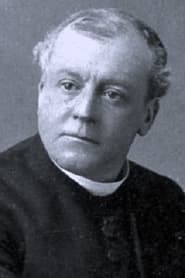
Verner Clarges
Actor
Born: 1866 in Philadelphia, Pennsylvania, United States Died: 1931 Active: 1909-1911
Films
9 films


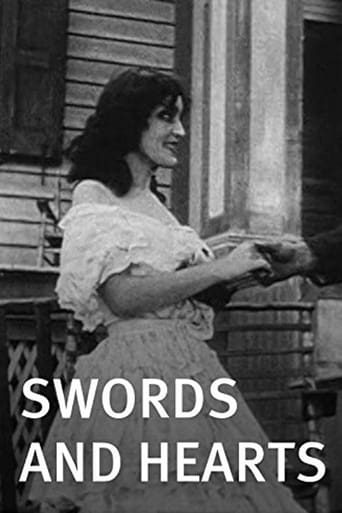
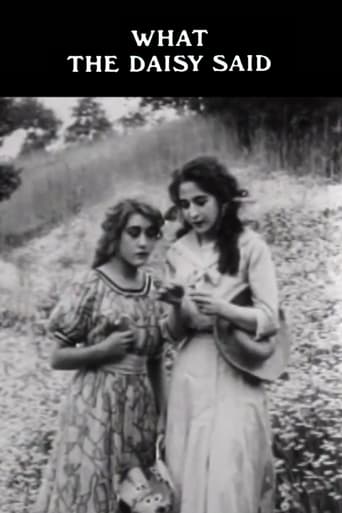
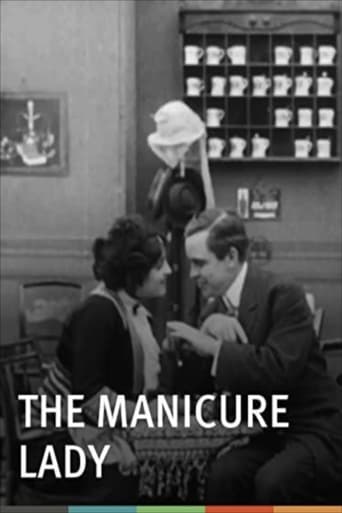
About Verner Clarges
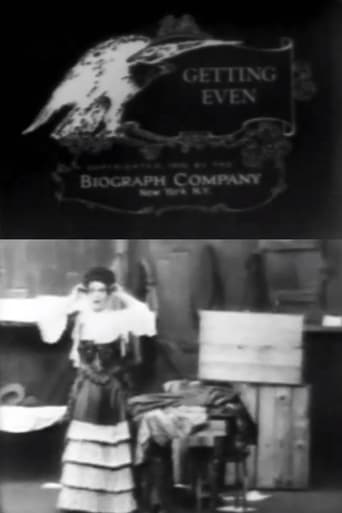
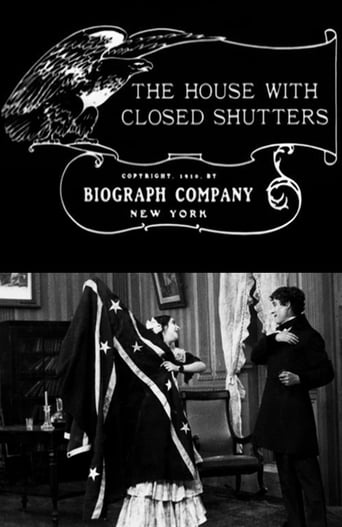
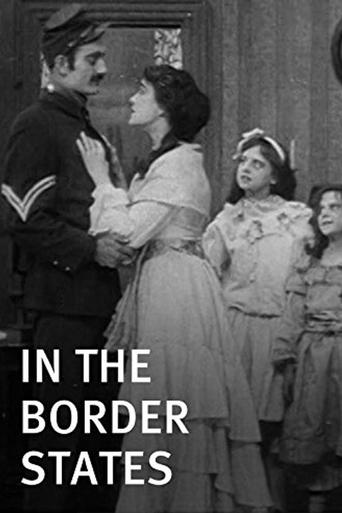
American actor who worked during the earliest days of American cinema, appearing in silent films between 1909 and 1911. His career coincided with the birth of narrative filmmaking in the United States, primarily working with the American Biograph Company. Clarges appeared in several of D.W. Griffith's short films, which were instrumental in developing the language of cinema. His filmography includes notable early works such as 'Getting Even' (1909), 'Comata, the Sioux' (1909), 'A Flash of Light' (1910), and 'The House with Closed Shutters' (1910). Like many actors of this period, he was part of Griffith's stock company at Biograph, working alongside future stars like Mary Pickford and Mack Sennett. His career was brief but significant, as he participated in films that helped establish fundamental cinematic techniques. After 1911, Clarges disappeared from film records, suggesting either a return to stage work or a departure from the entertainment industry altogether.
The Craft
On Screen
Clarges employed the theatrical acting style common in early silent cinema, characterized by exaggerated gestures and facial expressions to compensate for the lack of dialogue. His performances were typical of the period's transition from stage acting to screen acting, where actors were still adapting their techniques for the camera's intimate perspective.
Milestones
- Early member of D.W. Griffith's Biograph stock company
- Appeared in American silent films
- Participated in the development of early narrative cinema
- Worked during the transitional period from short subjects to feature films
Best Known For
Iconic Roles
Must-See Films
Working Relationships
Worked Often With
Studios
Why They Matter
Impact on Culture
Verner Clarges represents the generation of actors who helped establish American cinema during its formative years. As a member of Griffith's Biograph company, he contributed to films that pioneered cinematic techniques including cross-cutting, close-ups, and narrative storytelling. While not a star, his work in these foundational films helped demonstrate the potential of cinema as an art form and entertainment medium. The films he appeared in are now studied by film historians as examples of early American cinematic innovation.
Lasting Legacy
Clarges' legacy is preserved through his appearances in historically significant early American films that survive as artifacts of cinema's development. These films are frequently screened at film archives and studied in film history courses, ensuring that his contributions to early cinema are remembered. His career exemplifies the journey of many early film actors who worked briefly but importantly during cinema's birth, helping establish the foundation for the Hollywood industry that would follow.
Who They Inspired
As a supporting actor in Griffith's company, Clarges was part of the collaborative environment that influenced countless future filmmakers and actors. The techniques and storytelling methods developed in the films he appeared in would influence generations of cinema creators. While he didn't directly mentor famous protégés, his work contributed to the training ground that Biograph provided for many future Hollywood stars and directors.
Off Screen
Very little is documented about Verner Clarges' personal life, which was typical for supporting actors of the early silent era. He was born in Philadelphia in 1866, making him in his early 40s when he began his film career, relatively old for a film actor of that period. His brief film career suggests he may have had previous theatrical experience or another profession before entering films. After his film career ended around 1911, he returned to private life, and records indicate he died in 1931 at approximately age 65.
Did You Know?
- Began his film career at age 43, making him unusually old for a debut actor in early cinema
- Appeared in films during the same period as future Hollywood legends like Mary Pickford and Lionel Barrymore
- Worked exclusively with the American Biograph Company, the dominant American film studio of the early 1910s
- His entire film active years covered only three years, typical of many early supporting actors
- All his known surviving films were directed by D.W. Griffith
- His films were shot in Fort Lee, New Jersey, before the industry moved to Hollywood
- Many of his films were only one or two reels long, standard for the period
- His acting style reflected the transition from Victorian theatrical traditions to modern screen acting
- Like many early film actors, he likely supplemented his income with other work
- His films are now preserved in the Library of Congress and other film archives
Frequently Asked Questions
Who was Verner Clarges?
American with credits in this catalog.W. Griffith at the American Biograph Company. He appeared in several early films that helped establish American cinema.
What films is Verner Clarges best known for?
Titles linked here include Getting Even (1909), Comata, the Sioux (1909).
When was Verner Clarges born and when did he die?
Born 1866; died 1931.
What awards did Verner Clarges win?
Verner Clarges did not receive any formal awards or nominations during his career. This was typical for supporting actors in the early silent era, before the establishment of major film awards.
What was Verner Clarges' acting style?
Clarges employed the theatrical acting style common in early silent cinema, using exaggerated gestures and expressions typical of the period's transition from stage to screen acting. His performances reflected the techniques actors used to convey emotion without dialogue.
Why was Verner Clarges' career so short?
Clarges' brief three-year career was typical of many early film actors who worked during cinema's formative years. Many left the industry as it professionalized, returned to other careers, or were replaced as the star system developed.