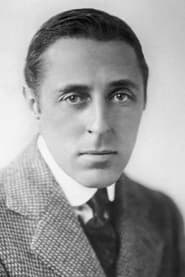
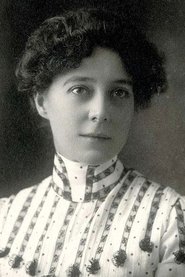
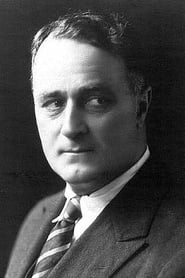
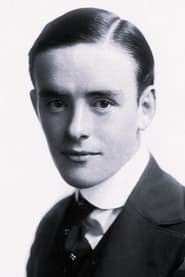
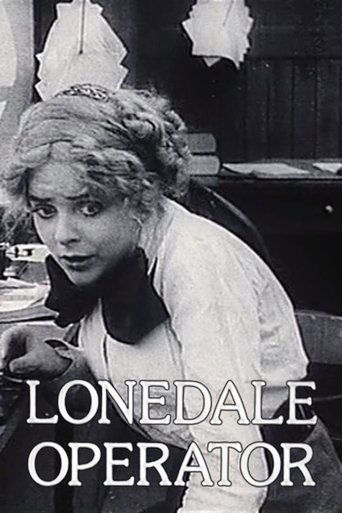
The Girl and Her Trust
"Film and 1912"
Keys: Space play/pause · ←/→ 10s · F fullscreen · M mute · </> speed
About this film
1912 film by D. W. Griffith.
Cast & crew
More films like this
More Crime films
View all →


More from D.W. Griffith
View all →
More about this film
About the production
Release dateMarch 7, 1912
ProductionBiograph Company
Filmed inCalifornia, New York
This film was part of D.W. Griffith's prolific period with the Biograph Company, where he directed hundreds of short films. The production utilized real train locations and employed innovative camera techniques for its action sequences. Griffith was known for pushing the boundaries of cinematic storytelling during this period, and this film demonstrates his mastery of suspense and cross-cutting techniques. The film was shot on the standard 35mm format of the era and represents the technical capabilities of early American cinema.
Themes
Courage under pressureTechnology as a tool for goodVirtue triumphing over villainyFemale empowerment within conventional rolesCommunication as salvation
Themes & topics
telegraphtrain robberybanditssuspenserescuewesterncrimethrillerdramacouragecommunicationrailway1910ssilent film
Historical background
Made in 1912, The Girl and Her Trust reflects production norms of the silent era before feature-length dominance—shorter runtimes, regional audiences, and limited preservation infrastructure.
Why this film matters
Historians reference The Girl and Her Trust (1912) when discussing 1912 film by D. W. Griffith.
Making of
The Girl and Her Trust was produced during D.W. Griffith's remarkably productive tenure at the Biograph Company, where he directed an average of three films per week. Griffith was known for his meticulous attention to detail and his innovative approach to visual storytelling. The film's train sequences required extensive coordination with railway companies, and the crew had to work around actual train schedules. Dorothy Bernard, the lead actress, was reportedly chosen by Griffith for her ability to convey emotion through subtle expressions, a crucial skill in silent cinema. The production team faced the challenge of creating realistic telegraph office scenes while maintaining the dramatic tension necessary for the thriller elements. Griffith's use of location shooting, particularly the railway sequences, was relatively advanced for the time and contributed to the film's authentic feel.
What critics said
Where contemporary reviews survive, The Girl and Her Trust is discussed in terms of audience appeal at release; later criticism often reframes it through archive restoration and festival programming.
Did you know?
- This film is often cited as one of the earliest examples of the 'last-minute rescue' trope that would become a staple of action cinema.
- Dorothy Bernard, who played the lead, was a prominent actress in Griffith's Biograph films and appeared in over 20 of his productions.
- The film was released during Griffith's most innovative period, when he was developing many of the cinematic techniques that would become standard in filmmaking.
- Robert Harron, who appears in the film, was one of Griffith's favorite actors and would later star in 'Intolerance' (1916) and 'The Birth of a Nation' (1915).
- The telegraph equipment shown in the film was authentic period equipment, reflecting the importance of communication technology in early 20th century America.
- This film was part of a series of 'girl' films Griffith made, focusing on strong female protagonists who overcome adversity through courage and intelligence.
- The train sequences were particularly ambitious for 1912, requiring careful coordination between the cast, crew, and actual railway operations.
- The film's runtime of 17 minutes was relatively standard for Biograph productions of this era, which typically ran one or two reels.
- Wilfred Lucas, who plays one of the leads, would later become a successful director and screenwriter in his own right.
- The film was shot during the winter months, which presented challenges for the outdoor railway sequences.
Visual style
The cinematography of The Girl and Her Trust, credited to Billy Bitzer (Griffith's regular cameraman), demonstrates the technical sophistication of Biograph productions. The film employs a variety of camera angles and movements that were innovative for the period, including tracking shots during the train sequences. The use of natural lighting in exterior scenes creates a sense of realism, while the interior telegraph office scenes utilize careful lighting to enhance the dramatic tension. The film's visual composition shows Griffith's emerging mastery of cinematic space, using foreground and background elements to create depth and visual interest. The cross-cutting between the telegraph office and the approaching train creates a rhythmic visual pattern that heightens suspense. The cinematography effectively balances the intimate character moments with the expansive railway sequences, showcasing the technical capabilities of early 1910s filmmaking.
Innovations
The Girl and Her Trust showcases several technical innovations that were significant for 1912. The film's sophisticated use of cross-cutting to build suspense represents an important development in cinematic editing techniques. The integration of location shooting with studio work demonstrates the growing technical capabilities of film production. The film's effective use of the telegraph as a plot device reflects the emerging trend of incorporating contemporary technology into narratives. The coordination required for the train sequences represents an achievement in production logistics and timing. Griffith's experimentation with camera placement and movement in this film contributed to the development of more dynamic visual storytelling. The film's pacing and rhythm, particularly in its climactic sequences, show an advanced understanding of how editing can manipulate audience emotions and create dramatic tension.
Music
As a silent film, The Girl and Her Trust would have been accompanied by live musical performance during its original theatrical run. The typical accompaniment would have consisted of a pianist or small orchestra playing appropriate music to match the film's mood and action. During suspenseful sequences, particularly the telegraph warnings and train chase, the music would have become more dramatic and urgent. Romantic scenes would have been accompanied by softer, more melodic pieces. The score likely drew from popular classical pieces and original compositions created specifically for film accompaniment. Unfortunately, no specific documentation of the original musical accompaniment for this particular film survives, which was common for Biograph productions of this era.
Famous quotes
Grace's telegraph message: 'Bandits approaching. Send help immediately.'
Bandit leader: 'The pretty telegraph girl thinks she can outsmart us.'
Station master: 'Your quick thinking has saved us all.'
Grace: 'I must warn them, no matter the danger to myself.'
Memorable scenes
- The tense sequence where Grace discovers the bandits' plan and must decide whether to risk her life to send the warning telegraph
- The cross-cutting climax showing Grace at the telegraph key, the approaching train, and the bandits in pursuit
- The final confrontation where Grace and her love interest face the bandits at the railway station
- The opening scenes establishing Grace's competence and dedication as a telegraph operator
- The moment when Grace first suspects something is wrong and begins her investigation
What audiences thought
The Girl and Her Trust was well-received by audiences of 1912, who were particularly drawn to its suspenseful narrative and exciting action sequences. The film's relatable protagonist and clear moral framework appealed to the family audiences that dominated early cinema attendance. The telegraph office setting was familiar to many viewers of the era, adding to the film's accessibility and realism. Audiences reportedly responded positively to the film's tension-building techniques and the satisfying resolution, which reinforced contemporary values of courage and virtue triumphing over criminality. The film's success at the box office helped cement the popularity of the thriller genre and demonstrated audience appetite for more sophisticated narratives in cinema.
Film connections
Influenced by
- Earlier Biograph shorts by Griffith
- Contemporary stage melodramas
- Western dime novels
- Actual crime stories from the period
- Edison Company train films
- Georges Méliès's trick films
- British chase films
This film influenced
- Later Griffith Biograph films
- The Lonedale Operator (1911) - similar Griffith film
- The Great Train Robbery remakes
- Early Hollywood thriller films
- Serial films of the 1910s
- Western films with communication themes
Film restoration
The Girl and Her Trust survives in complete form and has been preserved by film archives. The film is part of the collection at the Museum of Modern Art and has been made available through various film preservation initiatives. Prints exist in both 16mm and 35mm formats, and the film has been digitized for preservation and access purposes. The survival of this Biograph production is fortunate, as approximately half of all American silent films have been lost. The film's preservation allows modern audiences to study Griffith's early work and the development of cinematic techniques during this crucial period.
Where to watch
- The Girl and Her Trust is available through various streaming platforms specializing in classic cinema
- The film can be found on YouTube through official archive channels
- It is included in some D.W. Griffith collection DVD/Blu-ray sets
- The film is accessible through university film archives and libraries
- Some public domain streaming services offer the film
- The Museum of Modern Art occasionally screens the film as part of their classic cinema programs