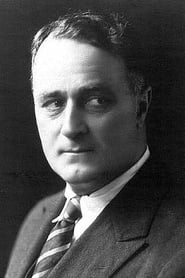
Wilfred Lucas
Actor & Director
Born: January 30, 1871 in Norfolk County, Ontario, Canada Died: December 13, 1940 Active: 1909-1930 Birth Name: Wilfred Van Norman Lucas
Films
21 films

Enoch Arden
1911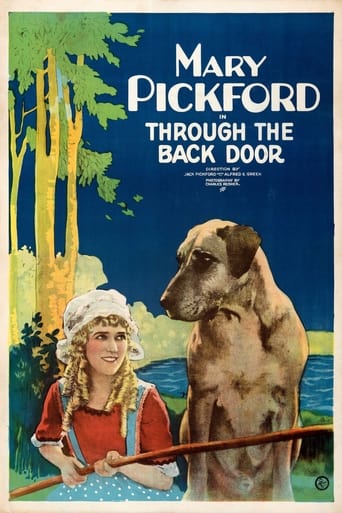
Through The Back Door
1921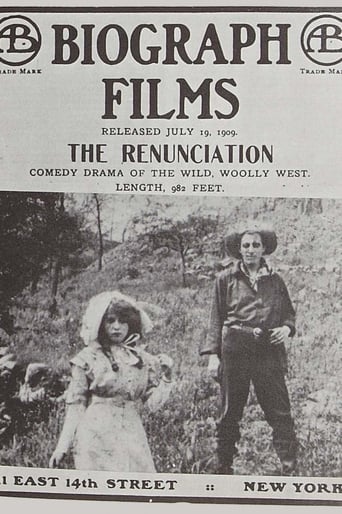
The Renunciation
1909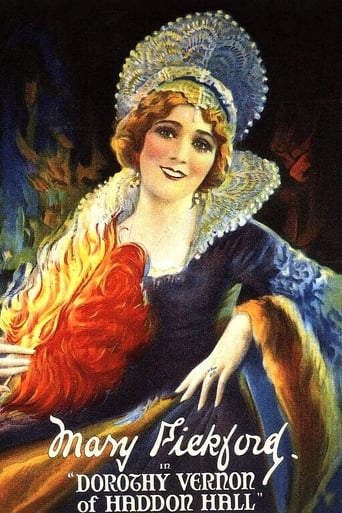
Dorothy Vernon of Haddon Hall
1924
A Strange Meeting
1909
Swords and Hearts
1911
The Miser's Heart
1911
The Girl and Her Trust
1912
The Massacre
1912
Flesh and Blood
1922
Man's Genesis
1912
A Pueblo Legend
1912
The Price She Paid
1924
The Lonedale Operator
1911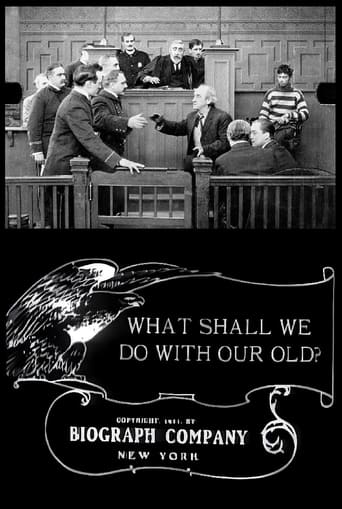
What Shall We Do with Our Old?
1911
Brute Force
1914
His Trust
1911
Under Burning Skies
1912
His Trust Fulfilled
1911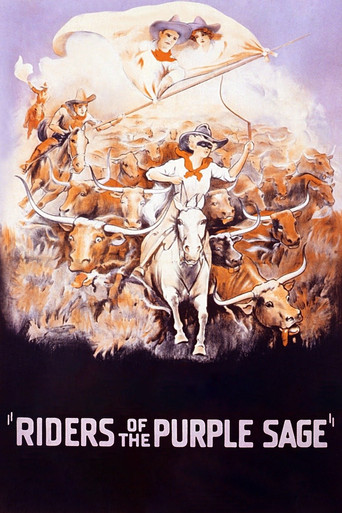
Riders of the Purple Sage
1925About Wilfred Lucas
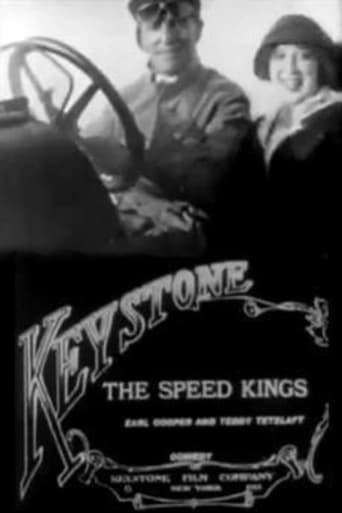
Made significant contributions to early cinema during the silent era. Born in Ontario, Canada, he began his career on stage before transitioning to film with D.W. Griffith's Biograph Studio in 1909, quickly becoming one of the company's most reliable character actors. Lucas appeared in over 300 films between 1909 and 1930, often playing authoritative figures such as judges, ministers, and businessmen due to his appearance and commanding presence. He successfully transitioned into directing, helming numerous shorts and features for various studios throughout the 1910s, including the popular action serial 'The Speed Kings' in 1913. Lucas was married to screenwriter Bess Meredyth, with whom he collaborated on several projects, and their son John Meredyth Lucas became a successful director and writer in Hollywood. As the film industry evolved with the advent of sound, Lucas continued acting in supporting roles into the 1930s, though his prominence gradually diminished as new stars emerged. His extensive filmography represents a remarkable journey through the formative years of American cinema, working alongside legends like Mary Pickford, Lionel Barrymore, and Mae Marsh.
The Craft
On Screen
Lucas was known for his naturalistic yet authoritative acting style, which was particularly effective in the silent era where expression and gesture were paramount. He possessed a commanding screen presence with a, dignified appearance that made him ideal for playing judges, clergymen, military officers, and other authority figures. Unlike many of his contemporaries who relied on exaggerated melodramatic techniques, Lucas brought a subtle restraint to his performances, using minimal gestures and facial expressions to convey emotion. His background in stage acting gave him a solid foundation in character development, allowing him to create believable, three-dimensional characters even in brief appearances. Lucas had the rare ability to transition seamlessly between villainous and sympathetic roles, often playing complex characters with moral ambiguity.
Behind the Camera
As a director, Lucas demonstrated a keen understanding of visual storytelling and pacing, particularly adept at action sequences and dramatic tension. He was influenced by his work with D.W. Griffith, incorporating innovative camera techniques and cross-cutting into his films. Lucas had a particular talent for directing comedies and action shorts, as evidenced by the success of 'The Speed Kings' series. His directing style emphasized clarity and efficiency, making the most of limited budgets and tight shooting schedules common in the early film industry. Lucas was known for his collaborative approach, working closely with actors to achieve natural performances while maintaining the visual style necessary for silent film storytelling.
Milestones
- Joined D.W. Griffith's Biograph Studio in 1909
- Directed 'The Speed Kings' (1913), one of the first action serials
- Appeared in 'The Birth of a Nation' (1915)
- Transitioned successfully from actor to director
- Married screenwriter Bess Meredyth in 1917
- Appeared in over 300 films during his career
- Worked at major studios including Biograph, Universal, and Fox
Best Known For
Iconic Roles
Must-See Films
Accolades
Special Recognition
- Star on the Hollywood Walk of Fame (located at 6801 Hollywood Boulevard)
Working Relationships
Worked Often With
Studios
Why They Matter
Impact on Culture
Wilfred Lucas played a significant role in the development of early American cinema, particularly during the transition from short films to feature-length productions. As one of D.W. Griffith's trusted collaborators at Biograph, he contributed to many of the technical and artistic innovations that defined early narrative filmmaking. His work in 'The Birth of a Nation' and 'Intolerance' placed him at the center of two of the most controversial and influential films of the silent era. Lucas's success as both actor and director demonstrated the versatility required in early Hollywood, where many professionals wore multiple hats. His participation in the formation of industry organizations helped establish professional standards that would benefit future generations of filmmakers. The fact that his son continued the family legacy in Hollywood speaks to the lasting impact Lucas had on both the industry and his family.
Lasting Legacy
Wilfred Lucas's legacy endures through his extensive body of work that serves as a valuable record of early American cinema's evolution. His appearances in over 300 films provide modern scholars and film enthusiasts with a comprehensive view of acting styles and storytelling techniques from the silent era. As one of the few actors who successfully transitioned to directing, Lucas represents the multi-talented nature of early film pioneers who had to master multiple aspects of production. His star on the Hollywood Walk of Fame ensures that his contributions to cinema are permanently recognized. The preservation of many of his films, particularly those made with Griffith, allows contemporary audiences to appreciate his talent and the historical significance of his work. Lucas's career trajectory from Canadian stage actor to Hollywood director exemplifies the opportunities available in the early film industry for talented immigrants.
Who They Inspired
Wilfred Lucas influenced several generations of filmmakers through his technical innovations and professional approach to filmmaking. His work with D.W. Griffith helped establish many of the fundamental techniques of narrative cinema that would become industry standards. As a director, Lucas mentored younger actors and crew members, sharing the knowledge he gained from working with Griffith. His son John Meredyth Lucas carried forward his father's legacy, directing episodes of classic television series like 'Star Trek' and 'The Fugitive'. Lucas's naturalistic acting style, which contrasted with the exaggerated performances common in early cinema, influenced the move toward more realistic screen acting. His ability to seamlessly transition between acting and directing inspired other film professionals to develop multiple skills, a practice that became increasingly valuable as the industry matured.
Off Screen
Wilfred Lucas led a fascinating personal life that intertwined with the early Hollywood film industry. He married screenwriter Bess Meredyth in 1917, forming one of Hollywood's early power couples; their marriage lasted until Lucas's death in 1940. The couple had one son together, John Meredyth Lucas, who followed in his parents' footsteps to become a successful film and television director and writer. Lucas was known for his professionalism and reliability in an industry often characterized by chaos and uncertainty. He was a founding member of the Motion Picture Directors Association, established in 1915, which was a precursor to the Directors Guild of America. Lucas became a naturalized American citizen in 1914, demonstrating his commitment to his adopted country and its burgeoning film industry. In his later years, he struggled with declining health but continued to work in smaller character roles until his death from a heart attack in Los Angeles at age 69.
Education
Attended local schools in Norfolk County, Ontario; later studied drama and theater in Toronto before beginning his stage career
Family
- Bess Meredyth (1917-1940)
Did You Know?
- Was one of the first Canadian actors to achieve major success in Hollywood
- Appeared in both 'The Birth of a Nation' (1915) and 'Intolerance' (1916), Griffith's two most ambitious films
- His real name was Wilfred Van Norman Lucas, but he dropped 'Van Norman' for his stage name
- Was a founding member of the Motion Picture Directors Association in 1915
- His wife Bess Meredyth was an accomplished screenwriter who worked on films like 'Ben-Hur' (1925)
- Father of director John Meredyth Lucas, who worked on classic TV shows like 'Star Trek'
- Served in the Canadian militia before moving to the United States
- Worked as a stage actor in both Canada and the United States before entering films
- Was known for his reliability and professionalism, often being called for last-minute replacements
- His Hollywood Walk of Fame star is located at 6801 Hollywood Boulevard
- Appeared in films with many of the biggest stars of the silent era including Mary Pickford and Douglas Fairbanks
- Continued acting into the sound era, though his roles became smaller and less frequent
In Their Own Words
In the early days, we had to invent everything as we went along. There were no rules, no textbooks on filmmaking - just imagination and determination.
Working with Griffith was like attending a master class in cinema every day. He taught us that film wasn't just recorded theater but an entirely new art form.
The transition from silent to sound wasn't just technical - it changed everything about how we told stories and how audiences experienced them.
Frequently Asked Questions
Who was Wilfred Lucas?
He appeared in over 300 films between 1909 and 1930 and worked extensively with director D.W. Griffith at Biograph Studios.
What films is Wilfred Lucas best known for?
Titles linked here include The Birth of a Nation (1915), Intolerance (1916).
When was Wilfred Lucas born and when did he die?
Born January 30, 1871; died December 13, 1940.
What awards did Wilfred Lucas win?
While Lucas did not receive major film awards during his career (the Academy Awards were not established until later in his career), he was honored with a star on the Hollywood Walk of Fame at 6801 Hollywood Boulevard in recognition of his contributions to cinema.
What was Wilfred Lucas's acting and directing style?
As an actor, Lucas was known for his naturalistic yet authoritative style, often playing judges, clergymen, and other authority figures with dignified restraint. As a director, he demonstrated skill in visual storytelling and pacing, particularly in action sequences and dramatic tension, influenced by his work with D.W. Griffith.
Was Wilfred Lucas married and did he have children?
Yes, Lucas married screenwriter Bess Meredyth in 1917, and they remained married until his death in 1940. They had one son, John Meredyth Lucas, who became a successful film and television director and writer.
How did Wilfred Lucas influence early cinema?
Lucas contributed to early cinema's development through his work with D.W. Griffith on innovative techniques, his success as both actor and director demonstrating the versatility needed in early Hollywood, and his role in establishing industry organizations like the Motion Picture Directors Association.