
The Speed Kings
"Racers chase Mabel Normand"
Keys: Space play/pause · ←/→ 10s · F fullscreen · M mute · </> speed
About this film
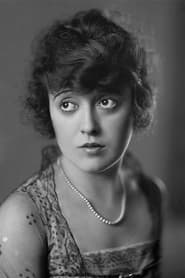
Race-car drivers pursue Mabel Normand, whose father has a clear favorite.
Cast & crew
More films like this

More Comedy films
View all →







More from Wilfred Lucas
View all →
More about this film
About the production
Release dateNovember 10, 1913
Box officeUnknown - box office records for shorts of this period are not well documented
ProductionKeystone Film Company
Filmed inLos Angeles, California, Keystone Studios, Edendale
This film was notable for featuring real race car driver Teddy Tetzlaff, bringing authenticity to the racing sequences. The production utilized actual racing vehicles and locations, which was innovative for the time. The dangerous stunts were performed by the actors themselves, without modern safety equipment. Mack Sennett's Keystone Studios was known for its rapid production schedule, with this short likely filmed in just a few days.
Themes
CompetitionCourtshipTechnology and ProgressSpeed and DangerFather-Daughter Relationships
Themes & topics
Historical background
Silent-era audiences encountered The Speed Kings around 1913, as studios refined cross-cutting and star-driven storytelling.
Why this film matters
The Speed Kings belongs to early staged screen fiction, when producers tested camera placement and trick cuts.
Making of
The production of 'The Speed Kings' exemplified the Keystone Studios approach to filmmaking under Mack Sennett's leadership. The film was shot quickly and efficiently, typical of the studio's output of 2-3 films per week. The inclusion of real race car driver Teddy Tetzlaff added authenticity to the racing sequences, though it also meant working with a non-professional actor. The dangerous stunts performed in the film were done without modern safety precautions, with actors actually driving the racing vehicles at high speeds. Mabel Normand, who was also involved in writing and directing at Keystone, likely contributed to the film's comedic elements. The production took advantage of Southern California's good weather and available locations, including actual race tracks and open roads suitable for filming racing sequences.
What critics said
Press notices for The Speed Kings (1913) are sparse in digitized sources; interest today rests on preserved prints and comparison with related titles.
Did you know?
- Teddy Tetzlaff was a real professional race car driver who set speed records and competed in the Indianapolis 500
- was one of the earliest to feature automobile racing as a central theme
- Mabel Normand was one of the highest-paid actresses of her time and a major star at Keystone
- Ford Sterling was known for his exaggerated facial expressions and physical comedy style
- The film was released during the golden age of silent comedy shorts
- Real racing accidents and stunts were filmed without special effects or camera tricks
- The automobile was still a novelty in 1913, making racing films particularly exciting to audiences
- Keystone Studios produced hundreds of short films in 1913 alone
- predates most feature-length movies, as shorts were the dominant format
- The racing sequences were likely filmed at local race tracks or on rural roads around Los Angeles
Visual style
The cinematography was typical of Keystone Studios productions in 1913, utilizing static camera positions with occasional panning to follow the racing action. The film likely used natural lighting for outdoor scenes, which was standard practice before sophisticated studio lighting systems. The racing sequences would have required careful camera placement to capture the speed and danger of the vehicles. The black and white film stock of the era provided high contrast images that emphasized the dramatic nature of the competitions. The cinematographer would have faced challenges in capturing fast-moving vehicles with the relatively slow film speeds and cumbersome cameras of the period.
Innovations
The film's primary technical achievement was its successful capture of actual racing sequences using the camera technology available in 1913. The production managed to film moving vehicles at high speeds, which was challenging with the equipment of the era. The use of real race cars and drivers provided an unprecedented level of authenticity for racing scenes in cinema. The film demonstrated early techniques for action cinematography that would influence later car chase sequences. The stunts performed in the film were genuinely dangerous and required considerable skill from both the performers and camera operators.
Music
As a silent film, 'The Speed Kings' would have been accompanied by live musical performance during theatrical exhibition. The typical score would have included popular songs of the era, classical pieces, and improvisational music matched to the on-screen action. For racing sequences, theaters often employed fast-paced, exciting music to enhance the sense of speed and danger. The musical accompaniment was crucial to the audience's emotional response, as no recorded sound was synchronized with the film. The specific musical selections would have varied by theater and musician, as there was no standardized score for the film.
Famous quotes
(Silent film - no recorded dialogue, but intertitles may have included romantic and competitive declarations)
Memorable scenes
- The climactic race sequence where multiple drivers compete simultaneously for Mabel's attention, featuring dangerous stunts and near-misses with the racing vehicles of the era.
What audiences thought
Audiences in 1913 responded enthusiastically to the film's combination of comedy and thrilling racing action. The novelty of seeing actual race cars on screen was a major draw for theatergoers. Mabel Normand's popularity ensured strong attendance, as she was one of the biggest stars of the period. The film's fast pace and physical comedy appealed to the broad audience base that frequented nickelodeons and early movie theaters. Modern audiences rarely have the opportunity to see the film due to its age and preservation status, but when screened at silent film festivals, it typically receives positive responses for its historical value and entertainment quality.
Film connections
Influenced by
- Earlier Keystone comedies
- Mack Sennett's slapstick style
- Contemporary race car culture
- Vaudeville comedy traditions
This film influenced
- Later racing comedies
- Keystone racing shorts
- Action comedy films
- Sports-themed romantic comedies
Film restoration
The preservation status of 'The Speed Kings' is uncertain, as many Keystone shorts from this period have been lost or exist only in fragmentary form. Some sources indicate that copies may exist in film archives, but it is not widely available for viewing. The film represents one of many early cinema works at risk of permanent loss due to the deterioration of nitrate film stock and incomplete preservation efforts of the era.
Where to watch
- Film archives with special access
- Silent film festivals (when programmed)
- Academic film studies collections
- Possible availability through specialized classic film distributors