Films
3 films
About Billy Jacobs
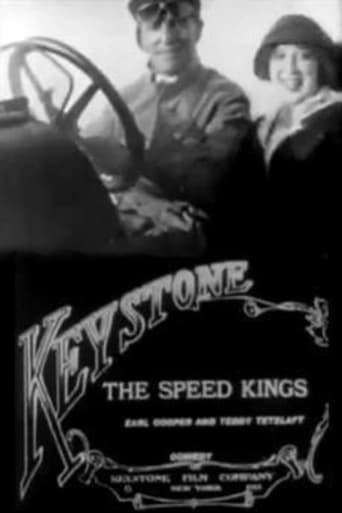
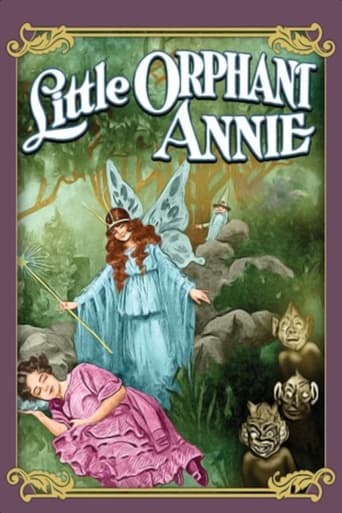
Child actor during the silent film era, primarily active in the 1910s. He began his career at a very young age, appearing in numerous short films and features during the formative years of American cinema. Jacobs worked with several prominent studios of the time, including Mack Sennett's Keystone Studios and other early production companies. His most notable roles came in 1913 with 'The Speed Kings,' where he appeared alongside early racing film stars, and in 1918 with 'Little Orphant Annie,' an adaptation of James Whitcomb Riley's famous poem. Like many child actors of the silent era, Jacobs' career was relatively brief, spanning roughly five years before he transitioned away from acting as he entered his teenage years. His work represents an important part of early American cinema history, particularly in the realm of child performers during the silent period.
The Craft
On Screen
As a child actor of the silent era, Billy Jacobs employed the exaggerated physical expressions and gestures typical of early film performance. His style was characterized by broad facial expressions and body language necessary to convey emotion without dialogue, a technique particularly important for child performers who needed to communicate innocence and vulnerability to audiences.
Milestones
- Debut in 'The Speed Kings' (1913)
- Featured role in 'Little Orphant Annie' (1918)
- Worked during the peak of silent film production
- Part of early Hollywood's child actor community
Best Known For
Iconic Roles
Must-See Films
Working Relationships
Worked Often With
Studios
Why They Matter
Impact on Culture
Billy Jacobs represents an important segment of early Hollywood history - the child actors who helped establish the emotional core of silent films. His work in productions like 'Little Orphant Annie' contributed to the popularization of literary adaptations on screen, helping to bridge the gap between classic American literature and emerging cinema. Child actors like Jacobs were crucial in establishing the sentimental and family-friendly aspects of early film that would become staples of Hollywood storytelling.
Lasting Legacy
While Billy Jacobs did not achieve lasting fame, his contributions to silent cinema are preserved through the films in which he appeared. His work serves as a valuable record of child performance techniques during the silent era and provides insight into how young actors were utilized in early Hollywood productions. The survival of his films allows modern audiences and film historians to study the evolution of child acting in American cinema.
Who They Inspired
As a child actor of the early silent period, Billy Jacobs was part of the generation that established conventions for child performance in film. The techniques employed by Jacobs and his contemporaries would influence subsequent generations of child actors, even as acting styles evolved with the advent of sound and more naturalistic approaches to performance.
Off Screen
Very little is documented about Billy Jacobs' personal life outside of his brief film career. As with many child actors of the silent era, records of his life after leaving the film industry are scarce. It appears he left acting as he entered adolescence, a common pattern for child performers of that period who either chose different career paths or were unable to transition to adult roles.
Did You Know?
- Appeared in films during the transitional period when cinema was evolving from short subjects to feature-length productions
- Worked during the same era as other famous child actors like Baby Marie Osborne and Jackie Coogan
- His film 'The Speed Kings' was part of the early racing film genre that capitalized on America's fascination with automobiles
- 'Little Orphant Annie' was based on a beloved 1885 poem by James Whitcomb Riley
- Like many silent era actors, his career ended before the transition to sound films in the late 1920s
- Child actors in silent films often worked long hours under difficult conditions, leading to labor reforms in the industry
- His brief active years covered the peak years of silent film production before World War I changed the industry
Frequently Asked Questions
Who was Billy Jacobs?
American child with credits in this catalog. He is best known for his roles in 'The Speed Kings' (1913) and 'Little Orphant Annie' (1918), representing the generation of young performers who helped establish emotional storytelling in early cinema.
What films is Billy Jacobs best known for?
Titles linked here include The Speed Kings (1913), Little Orphant Annie (1918).
When was Billy Jacobs born and when did he die?
Born 1905; died death date not listed.
What awards did Billy Jacobs win?
Billy Jacobs did not receive any formal awards or nominations for his work. During the silent era, especially for child actors, formal recognition systems like the Academy Awards had not yet been established, and many performers worked without receiving official accolades.
What was Billy Jacobs' acting style?
As a child actor in silent films, Billy Jacobs employed the exaggerated physical expressions and broad gestures typical of the era. His style relied heavily on facial expressions and body language to convey emotions, as silent films required actors to communicate without dialogue, particularly challenging for young performers.
Why did Billy Jacobs' career end in 1918?
Billy Jacobs' career ended in 1918 when he likely reached adolescence, which was common for child actors of the silent era. Many young performers found it difficult to transition to adult roles, and some chose to leave the industry entirely to pursue education or other career paths.
What studios did Billy Jacobs work with?
Billy Jacobs worked with several prominent studios of the silent era, including Keystone Studios and Essanay Studios. These were among the most important production companies of the period, known for their contributions to early American cinema and their work with both established stars and child actors.