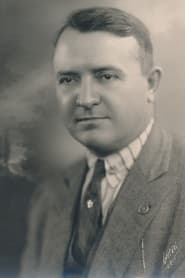
Barney Oldfield
Actor
Born: June 3, 1878 in Wauseon, Ohio, USA Died: October 4, 1946 Active: 1913-1927 Birth Name: Berna Eli Oldfield
Films
4 films
About Barney Oldfield
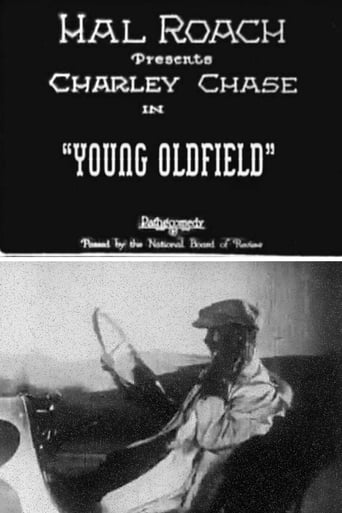
Berna Eli 'Barney' Oldfield — American automobile racer and daredevil who became one of the first celebrities to transition from sports to motion pictures during the silent era. Beginning his racing career in 1899 on bicycles before moving to automobiles, Oldfield quickly became famous for his fearless driving style and numerous speed records. His film career capitalized on his racing fame, with studios eager to showcase his real-life driving skills on screen. Oldfield appeared in several films between 1913 and 1927, typically playing himself or racing-related characters, bringing authenticity and excitement to early automotive cinema. Beyond his film work, he continued racing and setting records well into his later years, becoming a household name synonymous with speed and daring. His transition from sports star to film star helped establish the template for athlete-to-actor crossovers that would become common in Hollywood. Oldfield's legacy spans both automotive history and early cinema, representing the convergence of technological innovation and entertainment in the early 20th century.
The Craft
On Screen
Oldfield's acting style was naturalistic and authentic, as he primarily played himself or characters closely resembling his real persona as a daredevil race car driver. His performances were characterized by his genuine expertise in automobile handling and his charismatic, confident demeanor. Rather than employing theatrical techniques common in silent films, Oldfield relied on his natural showmanship and the thrilling spectacle of his actual driving abilities to entertain audiences. His screen presence was commanding and energetic, reflecting his real-life reputation as a fearless speed demon.
Milestones
- First man to drive an automobile at 60 miles per hour (1903)
- Set numerous land speed records in the early 1900s
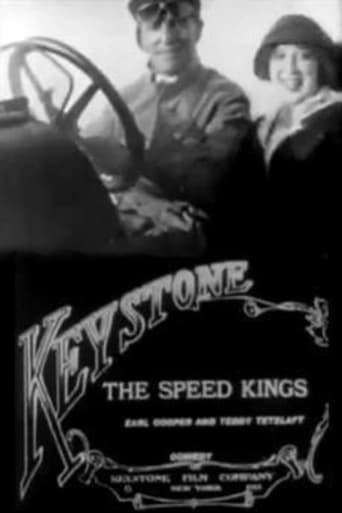
- Starred in The Speed Kings (1913), one of the first racing films
- Appeared as himself in multiple silent era films
- Pioneered the concept of sports celebrity appearing in motion pictures
- Raced for the Ford Motor Company and later for other manufacturers
- Became one of the first American sports celebrities
Best Known For
Iconic Roles
Must-See Films
Accolades
Won
- Inducted into the Motorsports Hall of Fame (1989)
- Inducted into the International Motorsports Hall of Fame (1990)
- Inducted into the Automotive Hall of Fame (1946)
Special Recognition
- Hollywood Walk of Fame star for contributions to motion pictures
- Named one of the greatest drivers of all time by various racing publications
- Featured on the cover of Time magazine (1934)
- Multiple speed records officially recognized by racing organizations
Working Relationships
Worked Often With
Studios
Why They Matter
Impact on Culture
Barney Oldfield's cultural impact extended far beyond his racing achievements, as he helped shape both American automotive culture and early Hollywood entertainment. As one of the first sports celebrities to appear in motion pictures, Oldfield bridged the gap between athletic achievement and cinematic spectacle, paving the way for future athlete-to-actor transitions. His films helped popularize automobile racing and contributed to the growing fascination with speed and technology in early 20th-century America. Oldfield's celebrity status helped legitimize automobile racing as a mainstream sport and entertainment form, while his film appearances brought authentic racing action to audiences who might never see such spectacles in person. His larger-than-life persona and showmanship established a template for sports entertainment that would influence everything from racing to professional wrestling.
Lasting Legacy
Barney Oldfield's legacy in film history, while secondary to his racing achievements, represents an important chapter in the development of sports entertainment and celebrity culture in Hollywood. His films preserved the excitement of early automobile racing for future generations and demonstrated the commercial potential of combining real athletic achievement with cinematic storytelling. Oldfield's success in both racing and film helped establish the concept of the multi-platform celebrity, an idea that would become central to 20th-century entertainment. His work in silent films contributed to the development of action sequences and stunt driving in cinema, influencing generations of filmmakers and performers. Today, Oldfield is remembered not only as a racer but as an early example of how sports stars could successfully transition to entertainment careers.
Who They Inspired
Oldfield influenced both the racing and film industries by demonstrating the commercial potential of combining authentic athletic achievement with entertainment. His naturalistic approach to playing himself in films influenced how future sports celebrities would be portrayed in movies, emphasizing authenticity over theatrical performance. His daring driving stunts in early films helped establish the foundation for modern action sequences and automotive cinematography. Many subsequent racing drivers and stunt performers cited Oldfield as an inspiration for combining technical skill with showmanship. His success in both fields encouraged Hollywood studios to seek out real athletes and specialists for authentic performances, a practice that continues in contemporary filmmaking.
Off Screen
Barney Oldfield was married twice and had four children. His first marriage was to Beatrice Lovetta in 1900, which ended in divorce. He later married Bessie Gooby in 1918, with whom he remained until his death. Oldfield's personal life was as adventurous as his professional career, marked by his love for speed, showmanship, and the emerging automobile culture. He was known for his flamboyant personality and his ability to captivate audiences both on and off the track. Despite his celebrity status, he remained connected to his working-class roots and was known for his generosity toward fans and fellow racers.
Education
Limited formal education; learned mechanics and engineering through hands-on experience with bicycles and early automobiles
Family
- Beatrice Lovetta (1900-1915)
- Bessie Gooby (1918-1946)
Did You Know?
- First man to drive a car at 60 miles per hour in 1903
- Originally began his career as a bicycle racer before transitioning to automobiles
- His nickname 'Barney' came from his habit of saying 'By golly!' which was misheard as 'Barney'
- Once raced a locomotive and won, demonstrating the superiority of automobiles
- Was banned from racing for a time due to his dangerous driving style
- Performed in traveling shows and vaudeville between racing events
- His film appearances were among the first to feature authentic automobile racing footage
- Set over 20 speed records during his career
- Was friends with many early Hollywood stars including Charlie Chaplin
- His racing earnings made him one of the wealthiest athletes of his era
In Their Own Words
Life is a race, and I intend to win it.
Speed is the only thing that matters when you're behind the wheel.
Fear is just another obstacle on the road to victory.
I'd rather die going fast than live going slow.
The automobile isn't just a machine, it's the future of America.
Frequently Asked Questions
Who was Barney Oldfield?
American race car driver and silent film with credits in this catalog. He was the first man to drive an automobile at 60 miles per hour and appeared in several films showcasing his racing abilities between 1913 and 1927.
What films is Barney Oldfield best known for?
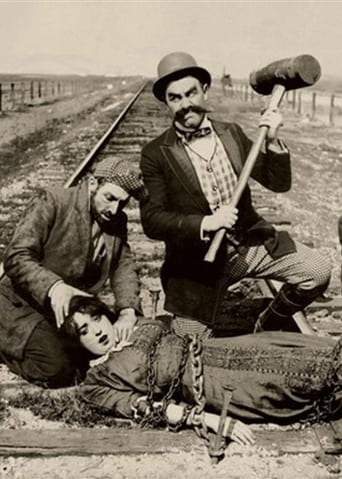
Titles linked here include The Speed Kings (1913), Barney Oldfield's Race for a Life (1913).
When was Barney Oldfield born and when did he die?
Born June 3, 1878; died October 4, 1946.
What awards did Barney Oldfield win?
While Oldfield didn't receive traditional film awards, he was posthumously inducted into the Motorsports Hall of Fame (1989), International Motorsports Hall of Fame (1990), and Automotive Hall of Fame (1946). He also received a star on the Hollywood Walk of Fame for his contributions to motion pictures.
What was Barney Oldfield's acting style?
Oldfield's acting style was naturalistic and authentic, as he primarily played himself or racing-related characters. He relied on his genuine expertise in automobile handling and charismatic personality rather than theatrical techniques common in silent films, bringing real racing excitement to the screen.
How did Barney Oldfield influence early cinema?
Oldfield influenced early cinema by bringing authentic automobile racing action to films, helping develop action sequences and stunt driving techniques. His success demonstrated the commercial potential of featuring real sports celebrities in movies and helped establish the template for athlete-to-actor crossovers in Hollywood.
What was Barney Oldfield's primary career?
While Oldfield appeared in films, his primary career was as a professional race car driver. He was.