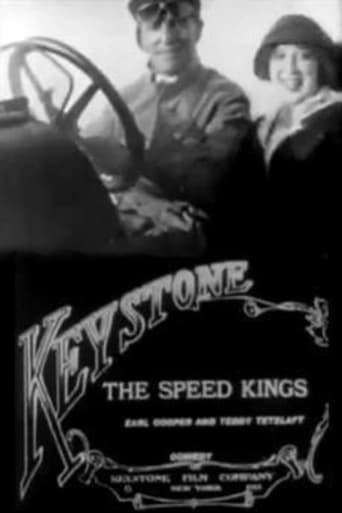
Earl Cooper
Actor
Born: December 2, 1886 in Washington, United States Died: October 22, 1965 Active: 1913-1913 (film appearances)
Films
1 film
About Earl Cooper
Earl Cooper was primarily known as one of America's most accomplished race car drivers during the early 20th century, not as a professional actor. Born in 1886, Cooper rose to prominence in the burgeoning world of automobile racing, eventually winning the AAA National Championship in 1915. His racing expertise led to his appearance in the 1913 silent film 'The Speed Kings,' which showcased actual racing footage and featured real drivers rather than professional actors. Cooper's participation in this film was a natural extension of his racing career, as the film industry often sought authentic expertise for specialized subjects during the silent era. Beyond his brief film appearance, Cooper continued his successful racing career throughout the 1910s and 1920s, becoming one of the era's most respected drivers. His legacy in motorsports far outweighs his contribution to cinema, though his appearance in 'The Speed Kings' provides a fascinating glimpse into how early filmmakers incorporated real-world talent into their productions.
The Craft
Milestones
- AAA National Championship winner (1915)
- Appeared in 'The Speed Kings' (1913)
- race car driver in early American motorsports
- Multiple major racing victories in the 1910s
Best Known For
Iconic Roles
Must-See Films
Accolades
Won
- AAA National Championship (1915)
Special Recognition
- Inducted into various motorsports halls of fame
Why They Matter
Impact on Culture
Earl Cooper's appearance in 'The Speed Kings' represents an early example of the film industry's practice of incorporating real-world experts and professionals into cinema, particularly for specialized subjects like racing. This approach lent authenticity to films that might otherwise have struggled to convincingly portray technical or professional activities. Cooper's participation helped bridge the gap between the emerging film industry and established professional fields, demonstrating cinema's potential to document and showcase real-world expertise.
Lasting Legacy
While Earl Cooper's film legacy is minimal, consisting of only one appearance, his true legacy lies in his contributions to early American motorsports. As a championship-winning driver, he helped shape the early years of automobile racing in the United States. His brief foray into cinema serves as a historical artifact showing how early filmmakers sought authenticity by casting real professionals, a practice that would continue throughout film history. Cooper's story illustrates the interconnectedness of emerging industries in the early 20th century and how expertise in one field could lead to opportunities in another.
Who They Inspired
As a race car driver rather than a professional actor, Earl Cooper's influence was primarily in the world of motorsports rather than cinema. However, his appearance in 'The Speed Kings' represents an early model of how authentic expertise could enhance cinematic storytelling. This practice of casting real professionals in specialized roles would become increasingly common in film production, particularly in action, sports, and technical films. Cooper's brief film career exemplifies how early cinema often blurred the lines between documentary and narrative storytelling.
Off Screen
Earl Cooper dedicated most of his life to the world of automobile racing, which was his primary passion and profession. Information about his personal life, family, and relationships is limited in historical records, as was common for figures from this era who were not traditional entertainment celebrities. His life spanned a transformative period in American history, from the horse and buggy era to the golden age of automobiles.
Did You Know?
- Was primarily a professional race car driver, not an actor
- Won the AAA National Championship in 1915, two years after his film appearance
- Appeared in only one film during his lifetime
- His film appearance was as himself, utilizing his actual racing skills
- The Speed Kings (1913) was one of the first films to feature actual race car drivers
- Born during the early days of the automobile industry
- Lived to see the complete transformation of American transportation
- His racing active years covered the most formative years of American motorsports
- The film industry in 1913 was still experimenting with different approaches to authenticity
- Cooper's appearance represents an early example of what would later be called 'method casting'
Frequently Asked Questions
Who was Earl Cooper?
Earl Cooper was primarily known as a championship-winning American race car driver who appeared in one film, 'The Speed Kings' (1913). He was not a professional actor but was cast for his authentic racing expertise during the silent film era.
What films is Earl Cooper best known for?
Titles linked here include The Speed Kings (1913).
When was Earl Cooper born and when did he die?
Born December 2, 1886; died October 22, 1965.
What awards did Earl Cooper win?
Earl Cooper won the AAA National Championship in 1915, which was the highest honor in American racing at the time. He has also been inducted into various motorsports halls of fame for his contributions to early American racing.
What was Earl Cooper's acting style?
Earl Cooper did not have an acting style as he was not a professional actor. In 'The Speed Kings,' he appeared as himself, utilizing his genuine racing skills rather than performing a character role.
Why did Earl Cooper appear in 'The Speed Kings'?
Earl Cooper was cast in 'The Speed Kings' because he was an actual race car driver, and early filmmakers often sought real professionals to add authenticity to their films, especially for specialized subjects like racing.