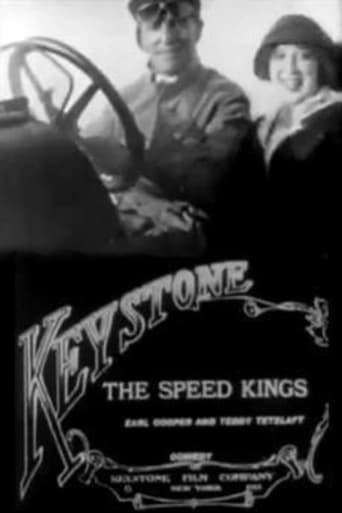

Teddy Tetzlaff
Actor
Born: December 29, 1883 in New York City, New York, USA Died: March 7, 1930 Active: 1913-1919 Birth Name: Theodore Tetzlaff
Films
2 films

About Teddy Tetzlaff
Theodore 'Teddy' Tetzlaff — American actor who found his niche in the burgeoning silent film industry of the 1910s. Born in New York City in 1883, Tetzlaff began his film career during the early days of motion pictures, quickly establishing himself as a reliable character actor specializing in racing and adventure films. He became particularly associated with high-speed action pictures, capitalizing on the public's fascination with automobiles and daredevil stunts during that era. His most notable work included 'The Speed Kings' (1913), which showcased his ability to perform in high-octane scenarios, and 'The Roaring Road' (1919), one of his final film appearances that exemplified his expertise in racing-themed entertainment. Tetzlaff's career, while relatively brief, spanned the crucial transition period when cinema was evolving from short subjects to feature-length narratives. He retired from acting in 1919 as the film industry was preparing for the transition to sound, leaving behind a modest but memorable body of work that captured the spirit of early American cinema. His life came to an end in 1930 in Los Angeles, just as the silent era he had been part of was drawing to a close.
The Craft
On Screen
Teddy Tetzlaff was known for his physical, action-oriented acting style that was well-suited to the high-speed racing and adventure films of the silent era. His performances emphasized dynamic movement and stunt work, capitalizing on the visual spectacle that silent cinema demanded. Tetzlaff had a natural athletic presence that translated well to the screen, allowing him to convincingly portray daredevil characters and racing enthusiasts. His acting was expressive through gesture and facial expression, essential skills for silent film performers who couldn't rely on dialogue. He brought an authentic energy to his action sequences, making the dangerous stunts appear both thrilling and believable to contemporary audiences.
Milestones
- Breakthrough role in 'The Speed Kings' (1913)
- Specialization in racing and adventure films
- Notable performance in 'The Roaring Road' (1919)
- Transition from short films to feature-length productions
- Established reputation as a reliable action performer in silent cinema
Best Known For
Iconic Roles
Must-See Films
Accolades
Special Recognition
- Recognized by film historians as a notable contributor to early racing cinema
- Cited in silent film archives for his work in action pictures
Working Relationships
Worked Often With
Studios
Why They Matter
Impact on Culture
Teddy Tetzlaff contributed to the early development of action cinema and racing films during a formative period in American movie history. His work helped establish the visual language and stunt techniques that would become staples of action cinema for decades to come. By specializing in racing-themed entertainment, Tetzlaff tapped into the American public's growing fascination with automobiles and speed during the early 20th century. His films reflected and shaped cultural attitudes toward technology, progress, and the romance of danger. Though not a major star, Tetzlaff's performances in these specialized genres helped pave the way for future action stars and the evolution of cinematic stunt work.
Lasting Legacy
Teddy Tetzlaff's legacy lies primarily in his contribution to the racing film genre during the silent era. His work represents an important chapter in the history of action cinema, demonstrating how early filmmakers capitalized on contemporary obsessions with speed and technology. While his name may not be widely recognized today, film scholars and silent cinema enthusiasts acknowledge his role in developing cinematic techniques for portraying high-speed action. His films serve as valuable historical documents, preserving the visual style and storytelling methods of early American cinema. Tetzlaff's career exemplifies the journey of many character actors from the silent era who found their niche in specialized genres and contributed to the medium's development despite never achieving major stardom.
Who They Inspired
Teddy Tetzlaff influenced the development of action choreography and stunt work in early cinema, particularly in racing sequences. His physical approach to performance helped establish standards for action acting in silent films. While he didn't directly mentor future stars, his work in racing films influenced subsequent generations of action performers and stunt coordinators. The techniques and visual approaches developed in films like his helped shape the language of action cinema that would evolve throughout the 20th century. His specialization demonstrated to the film industry the commercial potential of genre-specific entertainment, paving the way for more specialized action stars in later decades.
Off Screen
Teddy Tetzlaff maintained a relatively private personal life despite his brief period of film stardom. He was born into a German-American family in New York City and later relocated to Los Angeles to pursue his film career. His decision to retire from acting in 1919 coincided with his marriage and desire for a more stable family life away from the uncertainties of the film industry. Tetzlaff spent his final years in Los Angeles, witnessing but not participating in the transition to sound films. His death in 1930 at the age of 46 marked the end of a life that had bridged two distinct eras of American cinema.
Education
Limited formal education documented; likely received basic schooling in New York City before entering the film industry
Family
- Unknown (married circa 1919-1930)
Did You Know?
- One of the earliest actors to specialize in racing films
- His real name was Theodore Tetzlaff
- Appeared in over 20 films during his brief career
- Retired from acting just as the sound era was beginning
- His films often featured real racing cars and authentic stunts
- Worked during the transitional period when films evolved from shorts to features
- Was part of the generation of actors who helped establish Hollywood as the film capital
- His death in 1930 coincided with the end of the silent era
- Known for performing many of his own stunts
- His racing films were among the first to capture the excitement of automobile culture on screen
In Their Own Words
No documented famous quotes from Teddy Tetzlaff
Frequently Asked Questions
Who was Teddy Tetzlaff?
American silent film with credits in this catalog. He specialized in action-oriented roles that showcased the growing public fascination with automobiles and speed during the early 20th century.
What films is Teddy Tetzlaff best known for?
Titles linked here include The Speed Kings (1913), The Roaring Road (1919).
When was Teddy Tetzlaff born and when did he die?
Born December 29, 1883; died March 7, 1930.
What awards did Teddy Tetzlaff win?
Teddy Tetzlaff did not receive major formal awards during his career, as he worked during the early silent era before many prestigious film awards were established. However, he is recognized by film historians for his contributions to early racing cinema.
What was Teddy Tetzlaff's acting style?
Teddy Tetzlaff specialized in physical, action-oriented performances suited for silent cinema's visual demands. His style emphasized dynamic movement, authentic stunt work, and expressive gestures that effectively conveyed excitement and danger without dialogue.
Why did Teddy Tetzlaff retire from acting?
Teddy Tetzlaff retired from acting in 1919, coinciding with his marriage and the impending transition to sound films. His departure from the industry reflected the career choices of many silent-era actors who either couldn't or wouldn't adapt to the new demands of talking pictures.