Bert Hunn
Actor
Born: 1885 in Kansas, United States Died: December 28, 1933 Active: 1913-1914 Birth Name: Albert Hunn
Films
8 films
About Bert Hunn
American actor who worked primarily during the silent film era, most notably with Mack Sennett's Keystone Studios in 1913-1914. Bert appears as a supporting player and bit actor in numerous short comedy films, often working alongside early comedy stars like Roscoe 'Fatty' Arbuckle, Mabel Normand, and Ford Sterling. Hunn was part of the Keystone Cops ensemble, contributing to the chaotic slapstick sequences that made these films famous. His career, though brief, coincided with the golden age of silent comedy when Keystone was revolutionizing cinematic humor with their fast-paced, physical comedy style. After his brief stint in films around 1913-1914, Hunn largely disappeared from the film industry, as was common for many supporting actors of that period who either left the business or transitioned to other forms of entertainment. His filmography, while limited, represents an important contribution to early American comedy cinema and the development of slapstick as a film genre.
The Craft
On Screen
Physical comedy and slapstick performance typical of Keystone Studios style, characterized by exaggerated movements, facial expressions, and participation in chaotic chase sequences and comedic mayhem
Milestones
- Member of Mack Sennett's Keystone Studios troupe
- Appeared in over 20 short comedy films in 1913-1914
- Worked with early comedy stars including Roscoe Arbuckle and Mabel Normand
- Participated in the development of early slapstick comedy techniques
Best Known For
Iconic Roles
Must-See Films
Working Relationships
Worked Often With
Studios
Why They Matter
Impact on Culture
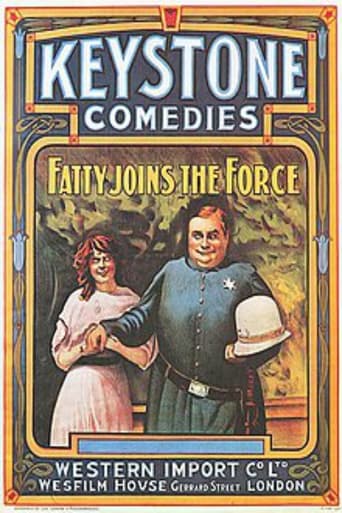
Bert Hunn, though not a major star, was part of the revolutionary Keystone Studios team that fundamentally shaped American comedy cinema. As a member of the Keystone ensemble during its most creative period, he contributed to the development of slapstick comedy techniques that would influence generations of comedians and filmmakers. The Keystone style, with its fast-paced action, elaborate chase sequences, and physical humor, became a template for cinematic comedy that persisted throughout the silent era and beyond. Hunn's work in films like 'The Speed Kings' and 'Fatty Joins the Force' represents the collaborative nature of early comedy production, where ensemble players were essential to creating the chaotic energy that made these films so popular with audiences worldwide.
Lasting Legacy
Bert Hunn's legacy is tied to the golden age of Keystone comedy and the early development of American film humor. While he never achieved stardom, his contributions as a supporting player in over twenty short comedies helped establish the slapstick genre that would dominate early cinema. His work survives as part of the historical record of silent comedy, providing insight into the ensemble-based production methods of Keystone Studios. Hunn represents the countless supporting actors who were essential to the success of early cinema but whose names have largely been forgotten by time. His films are now studied by film historians as examples of early American comedy and the collaborative nature of silent film production.
Who They Inspired
As a supporting actor rather than a star, Bert Hunn's direct influence on other performers was limited. However, as part of the Keystone ensemble, he contributed to a style of comedy that would influence countless future comedians and filmmakers. The physical comedy techniques and ensemble approach developed at Keystone would later influence comedy legends like Charlie Chaplin, Buster Keaton, and The Three Stooges. Hunn's work in these films helped establish the template for supporting comic characters in ensemble comedy pieces.
Off Screen
Very little is documented about Bert Hunn's personal life outside of his brief film career. Like many supporting actors of the silent era, he lived largely outside the public eye. He was born in Kansas in 1885 and spent his final years in California, where he passed away in 1933 at the age of 48.
Education
Unknown
Family
- Unknown
Did You Know?
- Appeared in over 20 short films for Keystone Studios in just two years
- Was part of the original Keystone Cops ensemble
- His film career lasted only from 1913-1914, making him one of the many brief careers in early cinema
- Often played uncredited or minor roles in the films
- Worked during the same period when Charlie Chaplin was just starting at Keystone
- His films were typically one-reel comedies lasting about 10-12 minutes
- Many of his films are now considered lost, as was common with early silent shorts
- Died relatively young at age 48 in 1933
- Born in Kansas but moved to California for his film career
- His real name was Albert Hunn, but he used 'Bert' professionally
In Their Own Words
No documented quotes from Bert Hunn survive from his brief film career
Frequently Asked Questions
Who was Bert Hunn?
American silent film with credits in this catalog. He was a supporting player in numerous comedy shorts and was part of the famous Keystone Cops ensemble, contributing to the early development of slapstick comedy in American cinema.
What films is Bert Hunn best known for?
Titles linked here include The Speed Kings (1913), Fatty Joins the Force (1913).
When was Bert Hunn born and when did he die?
Born 1885; died December 28, 1933.
What awards did Bert Hunn win?
Bert Hunn did not receive any major awards or nominations during his brief career. As a supporting actor in the early silent film era, he worked during a period before the establishment of formal award ceremonies like the Academy Awards, which began in 1929, well after his film career had ended.
What was Bert Hunn's acting style?
Bert Hunn's acting style was typical of Keystone Studios comedy - characterized by physical slapstick, exaggerated movements, and participation in chaotic chase sequences. As a supporting player, he contributed to the ensemble comedy that made Keystone films famous, often playing generic comic characters or appearing as one of the Keystone Cops in their trademark chaotic pursuits.