
A Bandit
"Fake bandit, real courage"
Keys: Space play/pause · ←/→ 10s · F fullscreen · M mute · </> speed
About this film
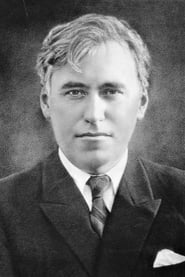
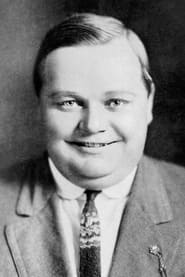
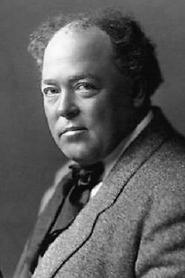
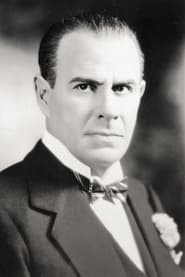
Bullied Willy disguises himself as a bandit to expose the town tough as a coward. The Keystone short reverses masculine posturing through comic cross-dressing and staged gunplay.
Cast & crew
More films like this

More Comedy films
View all →







More from Mack Sennett
View all →

More about this film
About the production
Release dateOctober 1913
ProductionKeystone Studios, Mack Sennett Comedies
Filmed inLos Angeles, California, Edendale, California
This was one of the early Keystone shorts filmed during the studio's formative years in Edendale, before their move to the larger studio lot. The film was shot quickly, typical of Keystone's rapid production schedule where they often completed multiple films in a single week. The outdoor shooting locations took advantage of California's predictable weather, allowing for consistent production schedules. The film likely utilized the simple sets and backlots that Keystone was known for, with minimal special effects beyond the gunfight sequences.
Themes
Underdog triumphCourage versus cowardiceDeception and disguiseJustice and retributionSocial hierarchy
Themes & topics
Historical background
Released in 1913, A Bandit belongs to the nickelodeon era and reflects production norms of its release season.
Why this film matters
A Bandit contributes to understanding regional output and audience tastes around 1913.
Making of
The production of 'A Bandit' typified the Keystone Studios approach to filmmaking in 1913 - fast, efficient, and focused on physical comedy. Mack Sennett encouraged improvisation on set, allowing actors to develop their characters through trial and error. Roscoe Arbuckle, despite his large stature, was developing his signature style of combining physical comedy with a surprising gracefulness. The film's outdoor sequences were likely shot in the Edendale area of Los Angeles, where Keystone had established their first studio. The gunfight scenes would have used blank ammunition and careful staging to create the illusion of danger while maintaining safety. The costume department would have created Arbuckle's bandit disguise using materials readily available, typical of the resourceful approach of early film production.
What critics said
Review records for A Bandit are typical of 1913: brief for shorts, more sustained for features.
Did you know?
- the release was released during the peak of Keystone Studios' early success, when they were producing dozens of short comedies each month.
- Roscoe 'Fatty' Arbuckle was still early in his career when the release was made, having joined Keystone only in 1913.
- Mack Sennett, the director, was known as 'The King of Comedy' for his pioneering work in slapstick film.
- The film was produced before the Keystone Kops became the studio's most famous recurring characters.
- 1913 was the same year that Charlie Chaplin joined Keystone Studios, though he does not appear in this particular film.
- Many Keystone films from this period were shot without detailed scripts, relying on improvisation and physical comedy.
- The film's premise of a timid character gaining courage through disguise was a recurring theme in early comedy shorts.
- Keystone Studios was known for their innovative use of editing and camera movement in comedy, techniques that would influence generations of filmmakers.
- The film was likely shot on 35mm film, the standard format of the era.
- During this period, films were typically sold by the foot rather than having standardized runtimes.
Visual style
The cinematography in 'A Bandit' would have been typical of Keystone's 1913 output - straightforward and functional, with static cameras placed to best capture the physical comedy. The film likely used natural lighting for exterior scenes, a common practice before sophisticated lighting equipment became standard. Camera movement would have been minimal, consisting primarily of panning to follow action across the frame. The visual composition would have prioritized clarity over artistic complexity, ensuring that gags were visible and easy to follow. The gunfight sequences might have employed multiple camera setups to create dynamic coverage of the action.
Innovations
While 'A Bandit' was not technically innovative for its time, it represents the refinement of Keystone's production methods. The film demonstrates the studio's mastery of rapid production techniques, allowing them to maintain a steady output of quality comedies. The editing, while basic by modern standards, shows the developing understanding of rhythm and timing in comedy film. The film's use of location shooting rather than entirely studio-bound production reflects the industry's growing sophistication in utilizing natural environments. The practical effects for the gunfight sequences, while simple, were effective in creating the illusion of danger without actual risk to performers.
Music
As a silent film, 'A Bandit' would have been accompanied by live musical performance during exhibition. The specific score would have varied by theater, ranging from solo piano in smaller venues to small orchestras in larger cinemas. The music would have been selected from standard compilations of mood-appropriate pieces, with lively, upbeat music for comedy sequences and more dramatic music for the confrontation scenes. Some theaters might have used sound effects like gunshots or crowd noises to enhance the viewing experience. The lack of synchronized sound meant that the comedy relied entirely on visual storytelling and physical performance.
Famous quotes
(Silent film - no dialogue, but intertitles may have included lines such as 'Willy, the town coward, has a plan!' or 'The bandit strikes terror in the town!')
Memorable scenes
- The transformation scene where Willy disguises himself as a fearsome bandit, complete with mask and weapons, marking his transition from victim to avenger. The climactic gunfight sequence where the bandit (Willy) confronts the town bully, exposing his cowardice through increasingly comedic and humiliating means. The final reveal where Willy's true identity is discovered, leading to the bully's complete social downfall and the town's celebration of their unlikely hero.
What audiences thought
Audiences in 1913 would have received 'A Bandit' enthusiastically, as it delivered the physical comedy and clear storytelling they expected from Keystone productions. The film's simple premise and visual gags would have been easily understood by the diverse audiences of nickelodeons, many of whom were recent immigrants with limited English. The satisfaction of seeing a bully get his comeuppance would have resonated strongly with working-class viewers. The film likely played well in both urban and rural theaters, as its themes were universal and didn't require cultural sophistication to appreciate.
Film connections
Influenced by
- Earlier Keystone shorts
- Vaudeville comedy traditions
- Stage melodramas
- Western film tropes
- Commedia dell'arte character archetypes
This film influenced
- Later Arbuckle comedies
- Keystone Kops shorts
- Chaplin's early comedies
- Harold Lloyd transformation comedies
- Three Stooges shorts
Film restoration
The preservation status of 'A Bandit' (1913) is uncertain, and the film is likely lost. Many Keystone Studios films from this early period have not survived due to the volatile nature of early film stock and inadequate preservation efforts. The film does not appear in major film archives' catalogs of surviving silent comedies. Some fragments or still photographs may exist in private collections or archives, but a complete copy has not been located. This loss is typical of films from 1913, with estimates suggesting that over 90% of American silent films from this period are lost.
Where to watch
- As a likely lost film from 1913, 'A Bandit' is not currently available for viewing through any commercial or archival sources. Film enthusiasts interested in similar Keystone comedies from this period can find surviving works by Mack Sennett, Roscoe Arbuckle, and Ford Sterling through various DVD collections and streaming services specializing in silent cinema. The Library of Congress, UCLA Film & Television Archive, and other major film archives may have related Keystone productions from 1913 available for research viewing.