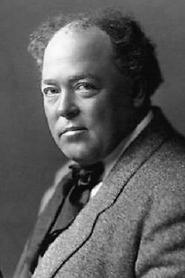
Nick Cogley
Actor & Director
Born: May 4, 1869 in New York City, New York, USA Died: May 20, 1936 Active: 1912-1928 Birth Name: Nicholas Cogley
Films
8 films

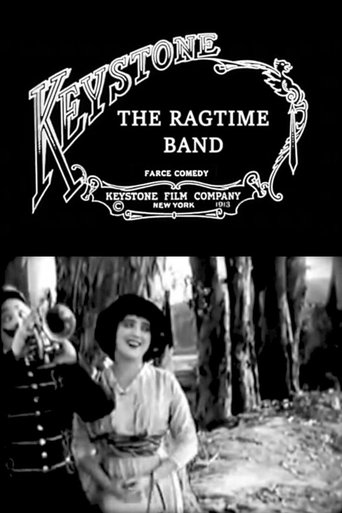
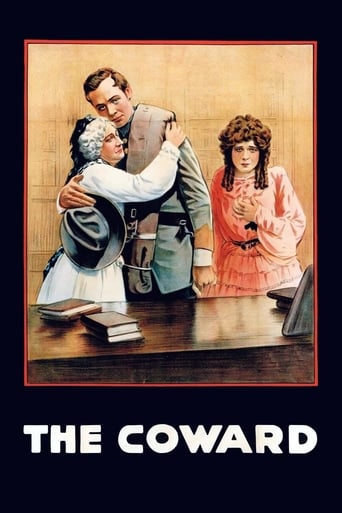
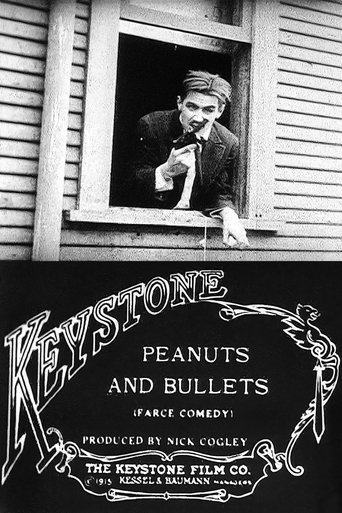
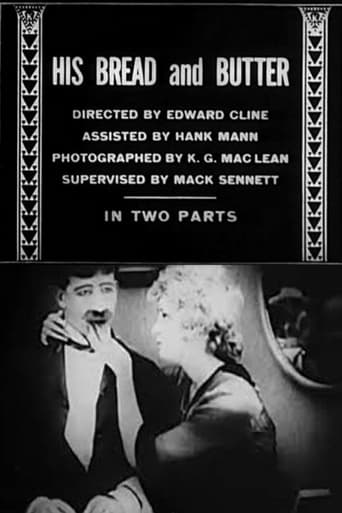
About Nick Cogley
Prolific character actor during the silent film era, best known for his extensive work with Mack Sennett's Keystone Studios in the early 1910s. Born Nicholas Cogley in New York City in 1869, he began his film career in the days of American cinema, appearing in dozens of short comedies that helped establish the language of film comedy. Cogley was part of the Keystone ensemble cast, working alongside early film stars like Charlie Chaplin, Mabel Normand, Ford Sterling, and Fatty Arbuckle during some of their most formative years. His career coincided with the golden age of slapstick comedy, and he appeared in numerous films that are now considered classics of early cinema. While often playing supporting roles, Cogley's distinctive presence and comic timing made him a valuable member of the Keystone troupe. His filmography spans over 70 films between 1912 and 1928, though his most prolific period was indeed 1913-1915 when Keystone was at its creative peak. Like many character actors of his era, Cogley gradually faded from the screen as the film industry evolved and the demand for his particular type of character work diminished.
The Craft
On Screen
Cogley specialized in character acting within the Keystone comedy tradition, employing exaggerated physical comedy and broad facial expressions typical of the silent era. His style emphasized visual gags, pratfalls, and comic timing that could communicate humor without dialogue. As a supporting player, he often served as a foil to the main stars, using his distinctive appearance and mannerisms to enhance the comedic situations. His performances embodied the energetic, chaotic style that made Keystone comedies famous, contributing to the ensemble dynamic that was central to these early film comedies.
Milestones
- Member of Mack Sennett's Keystone Studios ensemble
- Appeared in early Charlie Chaplin films during Chaplin's Keystone period
- Starred in over 70 silent films during the formative years of American cinema
- Contributed to the development of slapstick comedy as a film genre
- Worked with comedy directors like Mack Sennett and Henry Lehrman
Best Known For
Iconic Roles
Must-See Films
Accolades
Special Recognition
- Contributor to the Keystone legacy in American comedy cinema
Working Relationships
Worked Often With
Studios
Why They Matter
Impact on Culture
Nick Cogley was part of the revolutionary Keystone Studios team that fundamentally shaped American film comedy during its formative years. As a member of this ensemble, he contributed to the development of slapstick comedy techniques that would influence generations of comedians and filmmakers. The Keystone style, characterized by its frantic pace, physical gags, and ensemble comedy, became a template for film comedy worldwide, and Cogley was one of the many skilled character actors who made this style possible. His work in early Chaplin films places him in the historical record of cinema's greatest comedian's formative period, making him part of the foundation upon which Chaplin built his legendary career.
Lasting Legacy
Nick Cogley's legacy lies in his contribution to the golden age of silent comedy and his role in the Keystone Studios phenomenon. While not a major star like Chaplin or Keaton, he represents the essential supporting actors who made early film comedy possible. His numerous appearances in films that are now studied as classics of early cinema ensure his place in film history, and his work helps document the development of American comedy as an art form. The preservation of Keystone comedies in film archives means that Cogley's performances continue to be seen by new generations of film enthusiasts and scholars interested in the origins of screen comedy.
Who They Inspired
As a character actor in the Keystone ensemble, Cogley influenced subsequent generations of comedy performers through his embodiment of the supporting player role in ensemble comedy. The techniques and approaches developed at Keystone, which Cogley helped perfect, became standard elements of film comedy that continue to influence filmmakers today. His work demonstrated the importance of skilled character actors in creating the rich comic worlds that made early comedies successful, a lesson that has been passed down through generations of comedy filmmakers who understand that great comedy depends on more than just the star performer.
Off Screen
Nick Cogley was born into a working-class family in New York City and began his entertainment career likely in vaudeville before transitioning to films. He married actress Louise Orth in 1910, and the couple remained together until his death in 1936. Cogley lived primarily in the Los Angeles area during his film career, as was typical for actors of the silent era who worked in the burgeoning Hollywood studio system. His later years were spent away from the camera, as the transition to sound films and changing tastes in comedy reduced opportunities for actors of his generation and style.
Family
- Louise Orth (1910-1936)
Did You Know?
- Appeared in over 70 films during his career, though most were short comedies
- Was part of the original Keystone Studios team assembled by Mack Sennett
- Worked with Charlie Chaplin during Chaplin's first year in American cinema (1914)
- His active years covered the entire silent era, from 1912 to 1928
- Like many silent actors, did not successfully transition to sound films
- Was born the same year as another silent comedy great, Harold Lloyd
- Died in Santa Monica, California, at age 67
- His birth name was Nicholas Cogley, though he was universally known as Nick
- Appeared in both comedy and dramatic roles, though primarily known for comedy
- Was part of the film industry's transition from East Coast to West Coast production
Frequently Asked Questions
Who was Nick Cogley?
American silent film with credits in this catalog. He appeared in over 70 films between 1912 and 1928, primarily in comedy shorts, and was part of the ensemble cast that helped establish American slapstick comedy.
What films is Nick Cogley best known for?
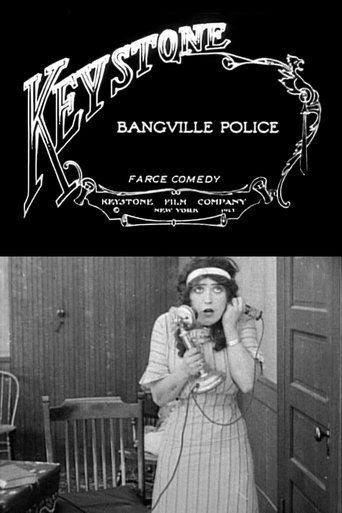
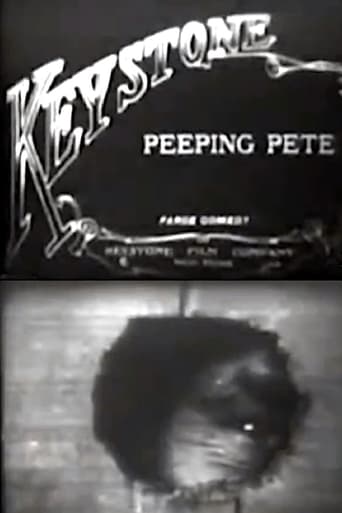
Titles linked here include Bangville Police (1913), Peeping Pete (1913).
When was Nick Cogley born and when did he die?
Born May 4, 1869; died May 20, 1936.
What awards did Nick Cogley win?
Nick Cogley did not receive formal awards during his career, as he worked during the early days of cinema before the establishment of major award ceremonies like the Academy Awards. His recognition comes from his contribution to the development of American film comedy.
What was Nick Cogley's acting style?
Cogley specialized in the broad, physical comedy style characteristic of Keystone Studios productions. He employed exaggerated gestures, facial expressions, and slapstick techniques to create humor without dialogue, serving as a skilled character actor who supported the main stars in ensemble comedies.