
Peeping Pete
"The neighbor (Sterling) notices and chases him all over town with."
Keys: Space play/pause · ←/→ 10s · F fullscreen · M mute · </> speed
About this film
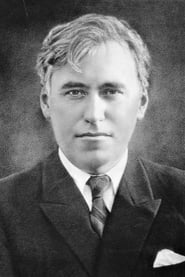
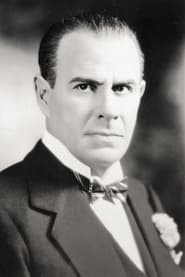
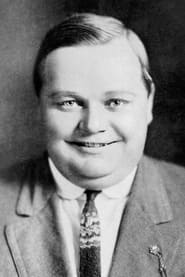
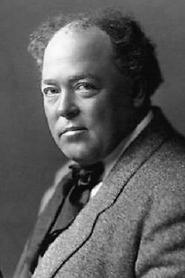
This early Keystone has Pete spying on his neighbor's wife through one of those little knotholes in a fence. The neighbor (Sterling) notices and chases him all over town with sheriff and family close behind. Fatty Arbuckle plays the peeper's wife(!).
Cast & crew
More films like this
More Comedy films
View all →







More from Mack Sennett
View all →

More about this film
About the production
Release dateNovember 1913
Box officeUnknown - box office records were not systematically kept for short films in 1913
ProductionKeystone Film Company
Filmed inLos Angeles, California, Edendale Studio District
This film was produced during Keystone's peak creative period when they were churning out multiple one-reel comedies per week. The film was likely shot in just one or two days, following Sennett's efficient production model that emphasized spontaneity and improvisation over meticulous planning. The chase sequence would have been filmed on location around the Edendale neighborhood, utilizing real streets and buildings to maximize authenticity while minimizing construction costs.
Themes
VoyeurismMarital discordNeighborhood surveillanceGender identityComic chaos
Themes & topics
Historical background
By 1913, distribution was widening and Peeping Pete reached audiences through the theatrical channels dominant before television.
Why this film matters
Historians treat Peeping Pete as evidence of what typical 1913 audiences could see in a program slot.
Making of
The production of 'Peeping Pete' followed the typical Keystone Studios methodology of rapid, almost chaotic filmmaking. Sennett encouraged improvisation and spontaneity on set, often allowing actors to develop gags during filming rather than adhering strictly to written scripts. The chase sequences were particularly challenging to coordinate, requiring precise timing between actors, extras, and camera operators. The outdoor filming in Edendale presented its own challenges, including unpredictable weather, curious onlookers, and the primitive technical limitations of 1913 filmmaking equipment. Arbuckle's drag performance required extensive makeup and costume work, which was hurried due to the tight production schedule. The film was likely processed and printed within days of shooting, allowing for quick distribution to the growing network of nickelodeon theaters across America.
What critics said
Specialist critics today emphasize preservation when a viewable copy of Peeping Pete survives.
Did you know?
- Roscoe 'Fatty' Arbuckle playing a female character was common in early comedy, as men in drag were considered funnier than women in comic roles during this period
- The knothole voyeurism gag became a recurring trope in silent comedies, appearing in numerous subsequent films by various studios
- Ford Sterling's character was likely part of the early Keystone Cops ensemble, though the film predates the fully formed Keystone Police force
- Mack Sennett not only directed and starred in the film but also owned Keystone Studios, making him one of the earliest actor-director-producers in cinema history
- The film was released during the golden age of one-reel comedies, when theaters typically showed several shorts before the main feature
- The chase sequence exemplifies the 'comedy of escalation' that became a hallmark of Keystone films
- This was one of the earliest films to feature Arbuckle, who would become one of the highest-paid stars in Hollywood within a few years
- The film's title follows the common Keystone naming convention of identifying characters by their primary characteristic or action
- Like many Keystone productions, the film was likely largely improvised from a basic scenario rather than following a detailed script
- The film was produced before the Motion Picture Company of America was established, meaning it faced no content restrictions
Visual style
The cinematography in 'Peeping Pete' was typical of 1913 Keystone productions, utilizing static camera positions for most scenes but incorporating mobile shots during the chase sequences. The film was likely shot on 35mm black and white film stock using hand-cranked cameras, resulting in the slightly variable frame rates characteristic of the era. The outdoor scenes benefited from natural lighting, while interior scenes would have used primitive artificial lighting that created harsh contrasts. The knothole voyeurism shots required creative camera positioning to establish the point of view, demonstrating early experimentation with perspective in cinema. The chase sequences employed wide shots to capture the full scope of the action, a technique that would become standard in slapstick comedy. The film's visual style emphasizes clarity and readability over artistic composition, reflecting the primary goal of communicating the story and gags to audiences of varying literacy levels.
Innovations
While 'Peeping Pete' was not groundbreaking technically, it demonstrated proficiency in several areas of early filmmaking. The film's chase sequences required coordination between camera operators and performers across multiple locations, showcasing early location shooting capabilities. The use of the knothole perspective represented an early example of point-of-view photography in narrative cinema. The film's editing, while simple by modern standards, effectively maintained comic timing and narrative clarity during the increasingly complex action sequences. The production also demonstrated Keystone's efficient assembly-line approach to filmmaking, which was itself a technical innovation in terms of production methodology. The film's success in communicating its story and humor purely through visual means represents an achievement in the emerging language of cinema.
Music
As a silent film, 'Peeping Pete' had no recorded soundtrack. During theatrical exhibition, the film would have been accompanied by live music, typically provided by a piano player or small theater orchestra. The musical accompaniment would have been improvised or selected from standard cue sheets that suggested appropriate music for different moods and actions. Chase sequences would have been accompanied by frantic, up-tempo music, while moments of voyeurism might have featured sneaky, playful themes. The specific musical selections would have varied by theater and performer, as standardized film scoring had not yet developed. Some larger theaters might have employed sound effects technicians to create additional audio accompaniment, particularly for the more physical comedy moments.
Famous quotes
Intertitle: 'Pete discovers a new way to pass the time'
Intertitle: 'The neighbor's wife is very interesting'
Intertitle: 'Caught in the act!'
Intertitle: 'The chase begins!'
Memorable scenes
- The opening sequence where Pete discovers the knothole and begins his voyeuristic activities, establishing the film's premise and comic tone. The elaborate chase sequence through the town streets, featuring increasingly absurd situations and growing crowds of pursuers, exemplifying Keystone's signature comedy of escalation. The reveal of Arbuckle in drag as Pete's wife, creating additional comic confusion and highlighting the era's tolerance for gender-bending humor in comedy.
What audiences thought
Audiences in 1913 responded enthusiastically to 'Peeping Pete' and similar Keystone comedies, which were among the most popular attractions in nickelodeon theaters. The fast-paced action and visual humor appealed to immigrant audiences who might struggle with English intertitles in more complex films. The voyeurism theme, while tame by modern standards, was considered somewhat risqué at the time, adding to the film's appeal. Contemporary audience reports suggest that the chase sequences generated the biggest laughs, with viewers appreciating the increasingly absurd situations and physical comedy. The film's success helped establish Keystone as the leading comedy studio of its era and contributed to the rising popularity of its star performers, particularly Arbuckle, who would soon become a major box office draw.
Film connections
Influenced by
- French comedies of Pathé Frères
- Max Linder films
- English music hall tradition
- American vaudeville
- Mack Sennett's earlier Biograph comedies
This film influenced
- The Knockout
- The Masquerader
- Mabel's Strange Predicament
- numerous later Keystone chase comedies
Film restoration
Unfortunately, 'Peeping Pete' is believed to be a lost film, as are approximately 75% of American silent films produced before 1920. No complete copies are known to exist in major film archives such as the Library of Congress, the Museum of Modern Art, or the UCLA Film & Television Archive. Only fragmentary information about the film survives through contemporary reviews, trade publication listings, and studio records. The loss of this film represents a significant gap in the documented history of early American comedy and Keystone Studios' output.
Where to watch
- As a lost film, 'Peeping Pete' is not available for viewing. However, similar surviving Keystone comedies from the same period can be found in various archives and collections including the Library of Congress's American Memory project, the UCLA Film & Television Archive, and on home video releases such as 'The Slapstick Encyclopedia' and 'The Mack Sennett Collection' from Kino Lorber.