William Hauber
Actor
Born: May 20, 1885 in Rochester, New York, USA Died: July 17, 1929 Active: 1913-1925
Films
26 films
Her Friend the Bandit
1914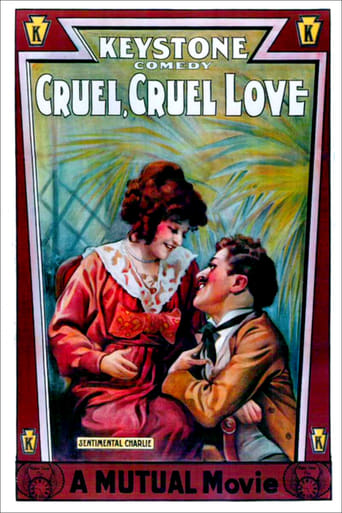
Cruel, Cruel Love
1914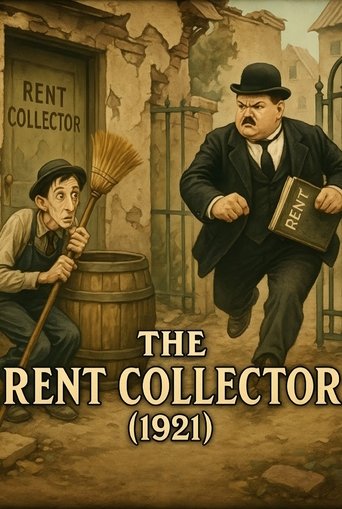
The Rent Collector
1921
Mabel's Blunder
1914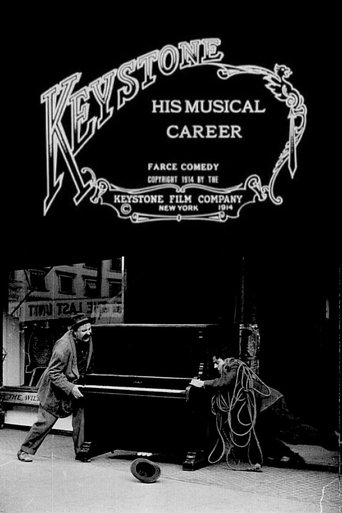
His Musical Career
1914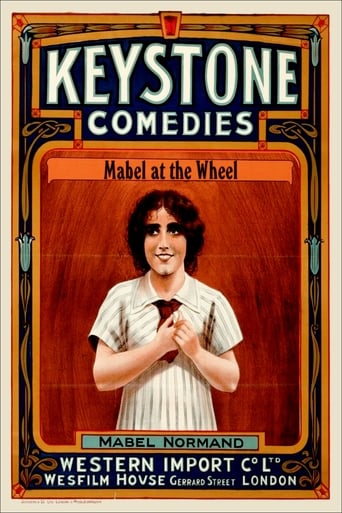
Mabel at the Wheel
1914
Those Love Pangs
1914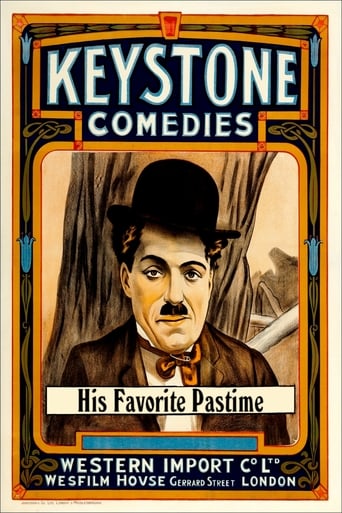
His Favorite Pastime
1914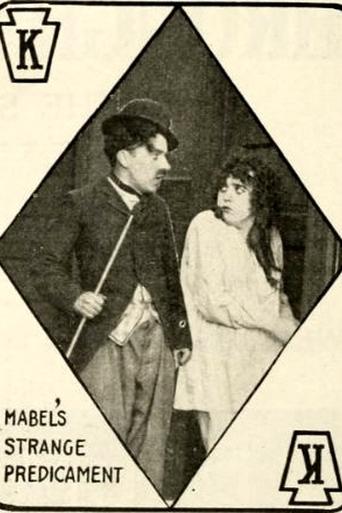
Mabel's Strange Predicament
1914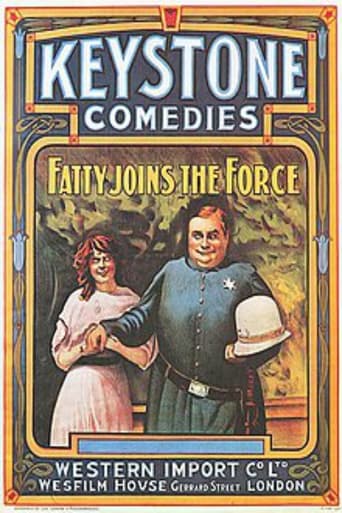
Fatty Joins the Force
1913
Peeping Pete
1913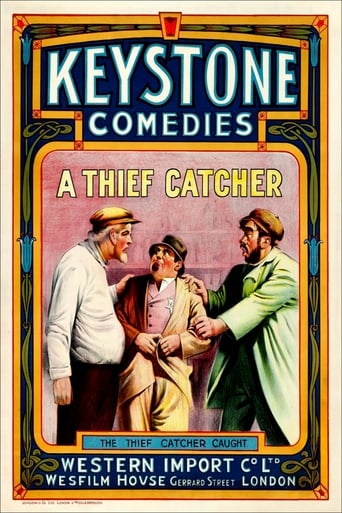
A Thief Catcher
1914
A Bandit
1913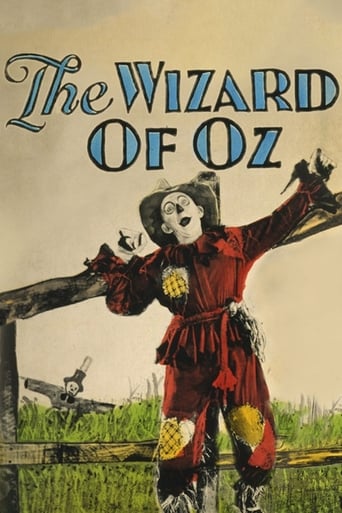
The Wizard of Oz
1925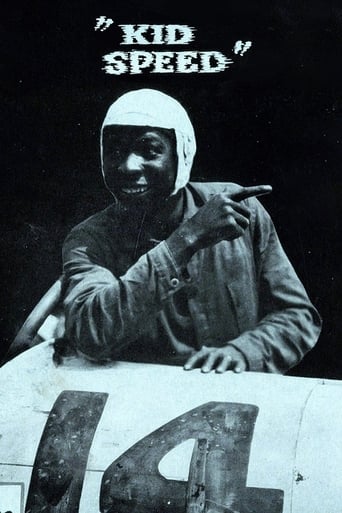
Kid Speed
1924
Love, Loot and Crash
1915
Bears and Bad Men
1918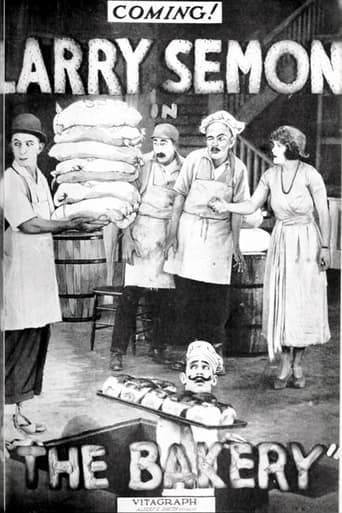
The Bakery
1921
A Flirt's Mistake
1914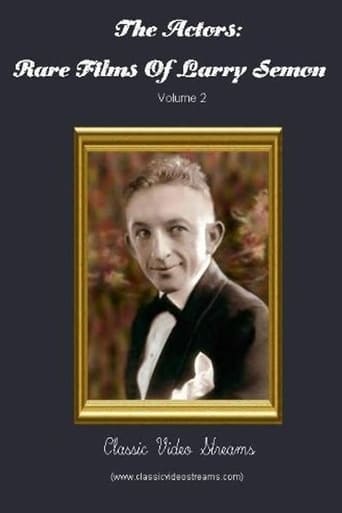
Dunces and Dangers
1918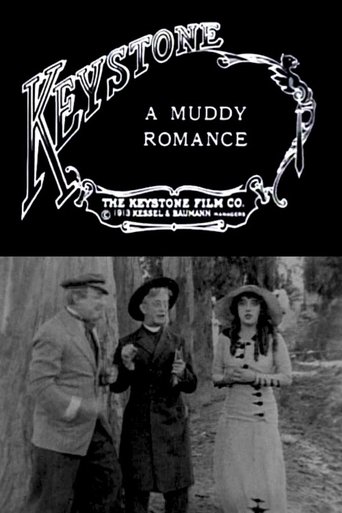
A Muddy Romance
1913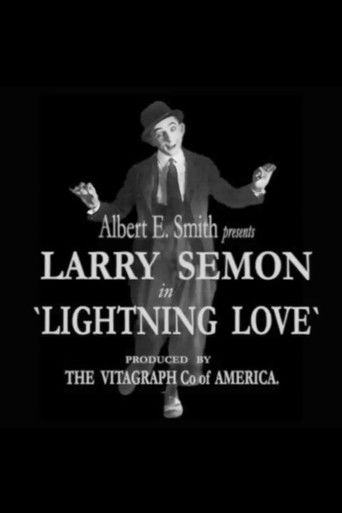
Lightning Love
1923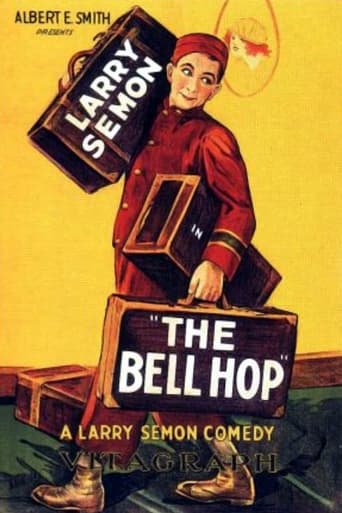
The Bell Hop
1921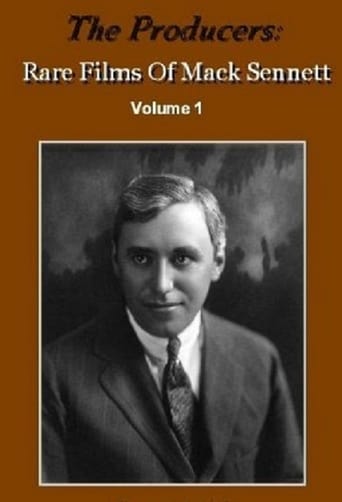
A Bird's a Bird
1915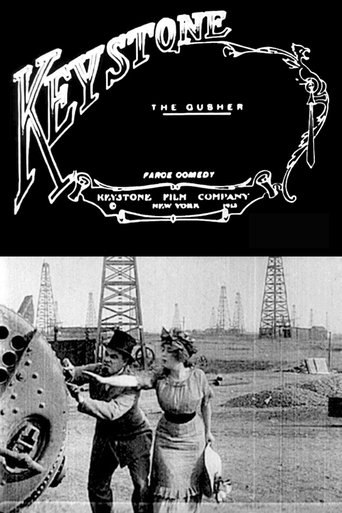
The Gusher
1913About William Hauber
William Hauber (1885-1929) was an American silent film actor who began his career during the days of Hollywood cinema. He worked extensively with Mack Sennett's Keystone Studios, appearing in numerous comedy shorts alongside legends like Charlie Chaplin, Roscoe 'Fatty' Arbuckle, and Mabel Normand. Hauber — versatile character actor who often played supporting roles in slapstick comedies, demonstrating remarkable physical comedy skills and timing. His the entire silent era, from the early 1910s through the mid-1920s, during which he appeared in over 200 films. Hauber was particularly known for his work in the Keystone Cops series, where his athletic abilities and comedic timing made him a valuable ensemble player. As the film industry transitioned to sound, Hauber's career began to wane, though he continued working in smaller roles until his untimely death in 1929 at the age of 44. His contributions to early American comedy cinema, while often uncredited, helped establish the foundation for slapstick comedy that would influence generations of performers.
The Craft
On Screen
Hauber specialized in physical comedy and slapstick performance, utilizing his athletic build and expressive face to create memorable supporting characters. His style embodied the exaggerated movements and visual gags characteristic of Keystone comedies, often serving as the straight man or comic foil to lead performers. He was particularly adept at pratfalls, chase sequences, and the chaotic ensemble work that defined early silent comedy.
Milestones
- Member of the original Keystone Cops ensemble
- Frequent collaborator with Charlie Chaplin at Keystone Studios
- Appeared in over 200 silent films
- Worked with Mack Sennett's comedy troupe
- Transitioned from bit parts to character roles
- Survived the transition from short films to feature-length productions
Best Known For
Iconic Roles
Must-See Films
Accolades
Special Recognition
- Contributor to early American comedy cinema recognized in film historical societies
Working Relationships
Worked Often With
Studios
Why They Matter
Impact on Culture
William Hauber was part of the revolutionary comedy team at Keystone Studios that essentially invented American film comedy. His work in the Keystone Cops series helped establish the template for police comedy that would be copied for decades. The ensemble comedy techniques he helped develop influenced everything from the Marx Brothers to modern sitcom ensembles. His performances, while often uncredited, contributed to the development of visual comedy language that transcended dialogue and became universal.
Lasting Legacy
Though largely forgotten by mainstream audiences, William Hauber's legacy lives on in film history books and silent cinema archives. He represents the countless character actors who were essential to the success of early Hollywood but rarely received recognition. Film historians and silent cinema enthusiasts recognize his contributions to the development of American comedy, particularly his work in establishing the ensemble comedy format. His performances survive in restored Keystone comedies that continue to be studied and appreciated by cinema scholars.
Who They Inspired
Hauber's work influenced generations of character actors who specialized in physical comedy and ensemble performance. The Keystone Cops format he helped create became a comedy trope that appeared in everything from Laurel and Hardy films to The Three Stooges and beyond. His ability to blend into ensemble pieces while still creating memorable characters set a standard for supporting players in comedy films.
Off Screen
William Hauber was married to actress and fellow Keystone performer Louise Fazenda, though their marriage was relatively brief. He was known among his contemporaries as a reliable and hardworking actor who never missed a call to the set. Hauber lived primarily in the Los Angeles area during his film career, as was typical for actors working in the early Hollywood studio system. His death in 1929, just as the sound era was beginning, marked the end of a career that had spanned the entire silent film period.
Family
- Louise Fazenda (1917-1920)
Did You Know?
- Appeared in Charlie Chaplin's first film 'Making a Living' (1914)
- Was one of the original members of the Keystone Cops
- Worked with virtually every major comedy star of the silent era
- His filmography includes over 200 titles, many of which are now lost
- Was known for performing his own stunts, a dangerous practice in early cinema
- Often played multiple roles in the same film due to his versatility
- Survived the Great Depression by working in smaller film productions
- His marriage to Louise Fazenda was one of Hollywood's early celebrity marriages
- Worked with both Ford Sterling and Chester Conklin, two of Keystone's biggest stars
- Appeared in both short subjects and early feature-length comedies
Frequently Asked Questions
Who was William Hauber?
American silent film with credits in this catalog. He was a versatile character actor who appeared in over 200 films and was best known as one of the original Keystone Cops.
What films is William Hauber best known for?
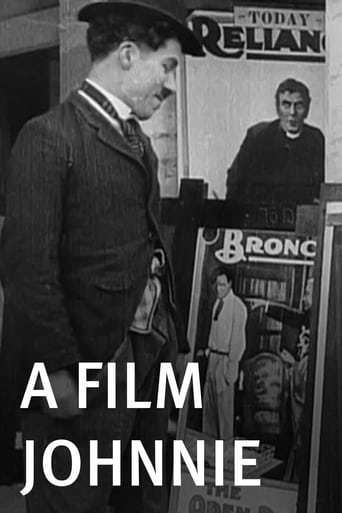
Titles linked here include A Film Johnnie (1914), Fatty Joins the Force (1913).
When was William Hauber born and when did he die?
Born May 20, 1885; died July 17, 1929.
What awards did William Hauber win?
William Hauber did not receive any major awards during his lifetime, as the Academy Awards were not established until 1929, the year of his death. His contributions are recognized primarily by film historians and silent cinema preservation societies.
What was William Hauber's acting style?
Hauber specialized in physical comedy and slapstick performance, characteristic of Keystone Studios productions. He excelled at ensemble work, pratfalls, and chase sequences, often serving as a comic foil to lead performers like Chaplin and Arbuckle.
Did William Hauber work with famous directors?
Yes, Hauber worked extensively with Mack Sennett, the comedy director who founded Keystone Studios. He also appeared in films directed by Charlie Chaplin, Henry Lehrman, and George Nichols during the early silent era.
Was William Hauber married?
Yes, William Hauber was married to fellow silent film actress Louise Fazenda from 1917 to 1920. Fazenda would later become a major comedy star in her own right.
Why is William Hauber important to film history?
Hauber is important as a representative of the essential character actors who built the foundation of American comedy cinema. His work in the Keystone Cops helped establish comedy tropes that influenced generations of filmmakers and performers.