The Wizard of Oz
"Farm girl princess in silent Oz"
Keys: Space play/pause · ←/→ 10s · F fullscreen · M mute · </> speed
About this film
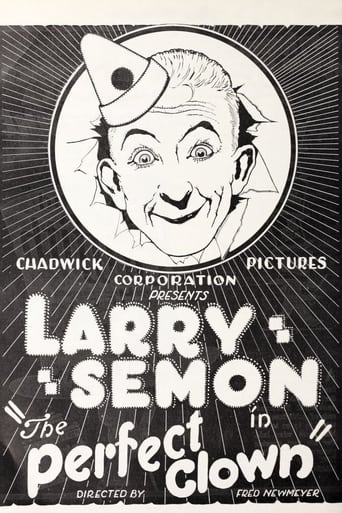
Larry Semon's silent Oz sends a Kansas farm girl through a tornado to a princess identity and slapstick adventure. A 1925 rival version distinct from MGM's later musical.
Cast & crew
More films like this
More Comedy films
View all →







More from Larry Semon
View all →

More about this film
About the production
Release dateSeptember 5, 1925
Budget$250,000 (considered substantial for a silent comedy in 1925)
Box officeCommercial failure, lost approximately $100,000
ProductionChadwick Pictures Corporation, Larry Semon Productions
Filmed inChadwick Studios, Los Angeles, California
This was Larry Semon's most expensive and ambitious production, featuring elaborate sets and costumes. The film was shot during the summer of 1925 with extensive special effects for the tornado sequence. Semon took significant creative liberties with L. Frank Baum's original story, essentially rewriting it to showcase his physical comedy style. The production faced financial difficulties during filming, with Semon personally investing much of his own money. The elaborate Oz sets were some of the most expensive constructed for a comedy film of that era.
Themes
Identity and transformationGood versus evilThe journey homeRoyal destinyPower and corruption
Themes & topics
tornadoprincessmagictransformationjourneycoronationusurperfarmfantasy worldcomedysilent filmadventureroyaltygood vs evil
Historical background
The Wizard of Oz (1925) reached audiences during the silent feature period, when exhibitors mixed shorts and features on the same program.
Why this film matters
Historians retain The Wizard of Oz as a record of how filmmakers in 1925 addressed popular genres.
Making of
The making of this 1925 Wizard of Oz was marked by ambition and excess. Larry Semon, at the height of his silent comedy fame, poured his resources into what he hoped would be his masterpiece. He completely reimagined Baum's story, inserting himself as the central comedic figure and making Dorothy a princess with a royal backstory. The production featured some of the most elaborate sets of the silent era, including a massive Emerald City constructed on the Chadwick Studios backlot. Semon's wife Dorothy Dwan was cast as the lead, despite limited acting experience. The film's physical comedy sequences were dangerous and demanding, with Semon performing many of his own stunts. Financial troubles plagued the production from the start, with Semon taking out loans and mortgaging his home to complete filming. The post-production process was rushed to meet the September release date, resulting in editing problems that affected the film's coherence.
What critics said
Trade coverage from 1925 treated The Wizard of Oz as program material; later writers evaluate it through preservation and genre context.
Did you know?
- the release was considered lost for decades until a complete print was discovered in the 1970s
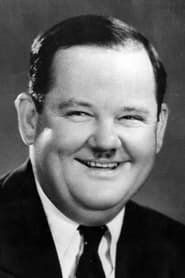
- Oliver Hardy, later famous as half of Laurel and Hardy, plays the Tin Woodsman
- Larry Semon not only directed but also starred as the Scarecrow and co-wrote the screenplay
- The film deviates so significantly from Baum's book that Baum's estate unsuccessfully sued for copyright infringement
- Dorothy Dwan, who played Dorothy, was Larry Semon's wife in real life
- This was the first feature-length adaptation of The Wizard of Oz (though there were earlier shorts)
- The film's failure contributed to Larry Semon's decline in Hollywood and his early death in 1928
- Spencer Bell, an African American actor, played the Cowardly Lion but was billed as G. Howe Black
- The tornado effect was created using wind machines and spinning sets, impressive for 1925
- Unlike the 1939 version, the release begins in Kansas but the farm characters don't dream - they actually go to Oz
Visual style
The cinematography by Hans F. Koenekamp employed the techniques and visual language of mid-1920s silent cinema. The film features elaborate camera movements for its time, including tracking shots during the chase sequences. The tornado scene utilized innovative special effects photography, including double exposure and miniatures. The Oz sequences used tinting and toning techniques to create magical atmospheres, with the Emerald City scenes featuring distinctive green hues. Koenekamp employed wide shots to showcase the impressive sets while maintaining clear sightlines for the physical comedy. The Kansas scenes were shot in a more straightforward style, contrasting with the fantastical visual treatment of Oz. The film's visual style reflects the transition from the simpler compositions of early silent films to the more sophisticated cinematography that would characterize the late 1920s.
Innovations
The film showcased several technical innovations for its time, particularly in its special effects sequences. The tornado scene was particularly ambitious, utilizing a combination of wind machines, rotating sets, and matte paintings to create the illusion of a massive storm. The transformation sequences, where farm characters become their Oz counterparts, used innovative editing techniques and makeup effects. The Emerald City set featured some of the most elaborate miniatures and forced perspective photography of the silent era. The film also employed early green screen techniques (using black screens and double exposure) for certain magical effects. The costume design for the fantasy characters was technically sophisticated, with the Tin Woodsman costume requiring complex construction to allow for Oliver Hardy's physical comedy. While not groundbreaking in terms of new technology, the film pushed existing techniques to their limits in service of its fantasy elements.
Music
As a silent film, The Wizard of Oz (1925) had no synchronized soundtrack but would have been accompanied by live musical performances in theaters. The original cue sheets suggested classical pieces and popular songs of the era to accompany different scenes. For the Kansas sequences, pastoral American music was recommended, while the Oz sequences called for more fantastical and dramatic compositions. Modern restorations have been scored by various composers, including silent film specialist Robert Israel. The 2012 restoration featured a new orchestral score by Rodney Sauer that attempted to capture both the comedic and fantasy elements of the film. The original theatrical experience would have varied significantly from theater to theater, depending on the house organist or orchestra's interpretation of the suggested musical cues.
Famous quotes
Dorothy: 'I'm not a princess! I'm just a simple farm girl!'
Prime Minister Kruel: 'The throne belongs to me now!'
Scarecrow: 'If I only had a brain... and some straw!'
Tin Woodsman: 'My heart may be tin, but it feels heavy with sorrow'
Uncle Henry: 'There's no place like home, even if it's just a farm'
Memorable scenes
- The spectacular tornado sequence that sweeps Dorothy and her companions to Oz, featuring innovative special effects and dramatic editing
- The transformation scene where the farmhands magically become their Oz counterparts, showcasing 1920s makeup and costume effects
- The elaborate chase through the Emerald City, combining Semon's signature physical comedy with fantasy elements
- The final coronation scene where Dorothy claims her throne, featuring impressive set design and crowd scenes
- The comedic introduction of the Tin Woodsman, with Oliver Hardy's physical gags in the cumbersome metal costume
What audiences thought
The 1925 Wizard of Oz was a box office disaster upon its initial release, disappointing both Oz fans and Semon's comedy audience. Many viewers were confused and upset by the radical changes to the familiar story, while Semon's regular fans found the fantasy elements detracted from his usual comedy style. The film performed poorly across the country, with many theaters pulling it early due to low attendance. Audience feedback cards from the era show viewers complaining about the confusing plot and excessive focus on Semon's character at the expense of Dorothy's story. Modern audiences viewing the film at revival screenings and film festivals tend to approach it with more curiosity and historical perspective, often finding it entertaining as a silent comedy despite its narrative flaws. The film has developed a cult following among Oz enthusiasts and silent film fans who appreciate its unique place in cinema history.
Film connections
Influenced by
- L. Frank Baum's 'The Wonderful Wizard of Oz' book
- Other 1920s fantasy films
- Larry Semon's previous comedy shorts
- Contemporary stage adaptations of Oz
- Silent era slapstick comedy traditions
This film influenced
- The Wizard of Oz (1939)
- Journey Back to Oz (1972)
- Return to Oz (1985)
- Various Oz television adaptations
- Oz the Great and Powerful (2013)
Film restoration
The film was considered lost for many years until a complete 35mm print was discovered in the 1970s. The Library of Congress holds a preserved copy, and the film has undergone digital restoration. Some versions circulating are incomplete or in poor condition, but a quality restoration exists. The film is now in the public domain and has been released on DVD and Blu-ray by various specialty labels. The restoration work has stabilized the surviving elements and recreated missing title cards where necessary.
Where to watch
- Available on DVD from Kino Lorber and other specialty labels
- Streaming on Amazon Prime Video
- Available on YouTube through public domain uploads
- Part of the Criterion Channel's silent film collection
- Available for viewing at the Library of Congress
- Occasionally screened at film festivals and silent film revival events
- Included in some streaming services specializing in classic cinema