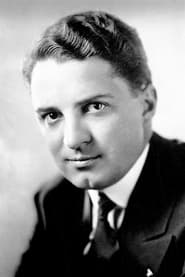
Bryant Washburn
Actor
Born: April 28, 1889 in Chicago, Illinois, USA Died: April 30, 1963 Active: 1911-1947 Birth Name: Franklin Bryant Washburn III
Films
4 films
About Bryant Washburn
Prolific American actor who enjoyed a remarkably successful career spanning nearly two decades in Hollywood's golden age of silent cinema and the transition to sound films. Born Franklin Bryant Washburn III, he began his film career in 1911 and quickly rose to prominence as a leading man, particularly adept at romantic comedies and dramas. Throughout the 1910s and 1920s, he appeared in over 150 films, establishing himself as reliable and popular actors of his era. Washburn was particularly known for his work with Universal Pictures, where he starred in numerous successful productions. His career flourished during the silent era, and he successfully made the transition to talkies in the late 1920s. Despite his popularity, his film career gradually declined in the early 1930s as the industry evolved and newer stars emerged. Washburn's legacy remains that of a hardworking, versatile actor who helped shape American cinema during its formative years.
The Craft
On Screen
Washburn was known for his naturalistic acting style that evolved from theatrical gestures to more subtle performances as cinema matured. He excelled at romantic comedy, displaying a charming screen presence and impeccable timing. His dramatic roles showcased his ability to convey deep emotion through facial expressions and body language, essential skills in the silent era.
Milestones
- Film debut in 1911
- Leading man at Universal Pictures (1915-1925)
- Successful transition to sound films
- Starred in over 150 films
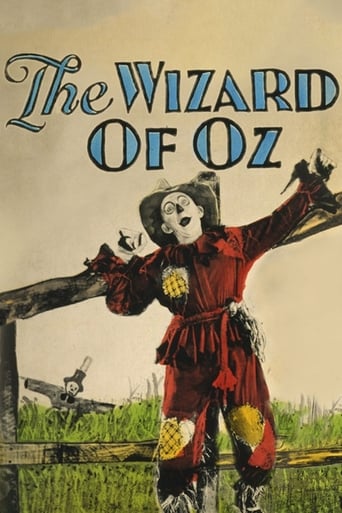
- Appeared in The Wizard of Oz (1925)
Best Known For
Iconic Roles
Must-See Films
Accolades
Special Recognition
- Hollywood Walk of Fame star (6323 Hollywood Blvd)
Working Relationships
Worked Often With
Studios
Why They Matter
Impact on Culture
Bryant Washburn represented the archetype of the reliable leading man during Hollywood's transition from short films to feature-length productions. His work helped establish the template for romantic comedy in American cinema, particularly during the 1920s. Washburn's successful career at Universal Pictures contributed to the studio's rise as a major Hollywood player during the silent era. His ability to adapt to changing technologies and audience tastes demonstrated the resilience required for longevity in early Hollywood.
Lasting Legacy
Bryant Washburn's legacy lies in his contribution to the development of American cinema during its most transformative period. With over 150 film credits, he was. His work helped establish the romantic comedy genre and demonstrated the potential for character actors to build sustainable careers in the evolving film industry. While not as remembered as some of his contemporaries, Washburn's body of work represents an important chapter in Hollywood history.
Who They Inspired
Washburn influenced subsequent generations of character actors through his demonstration of how to maintain relevance across different eras of filmmaking. His naturalistic acting style helped move away from the exaggerated theatrical gestures common in early cinema toward more subtle, realistic performances. His career longevity showed actors the importance of adaptability in an industry undergoing constant technological and artistic change.
Off Screen
Bryant Washburn married actress Lillian Logan in 1915, and their marriage lasted until her death in 1951. The couple had two children together, Bryant Washburn Jr. And Dorothy Washburn. After Lillian's death, Washburn married Virginia Vance in 1952. He was known in Hollywood circles as a dedicated family man who maintained a stable personal life despite the pressures of stardom. In his later years, he lived in Woodland Hills, California, where he was active in local community affairs.
Education
Attended Chicago public schools, studied at Northwestern University briefly before pursuing acting
Family
- Lillian Logan (1915-1951)
- Virginia Vance (1952-1963)
Did You Know?
- Appeared in over 150 films during his career
- Was a graduate of the American Academy of Dramatic Arts
- His son Bryant Washburn Jr. Also became an actor
- Served in the U.S. Army during World War I
- Was one of the first actors to sign with Universal Pictures in 1915
- Made a successful transition from silent films to talkies
- His final film appearance was in 1947
- Was known for performing many of his own stunts
- Was a founding member of the Hollywood Motion Picture Club
- Received a star on the Hollywood Walk of Fame in 1960
In Their Own Words
The secret to longevity in pictures is simple: be professional, be reliable, and never forget the audience pays your salary.
Silent films taught us everything about acting - the face tells the story, the body speaks volumes, and the heart must be visible even without words.
Frequently Asked Questions
Who was Bryant Washburn?
Prolific American with credits in this catalog.
What films is Bryant Washburn best known for?
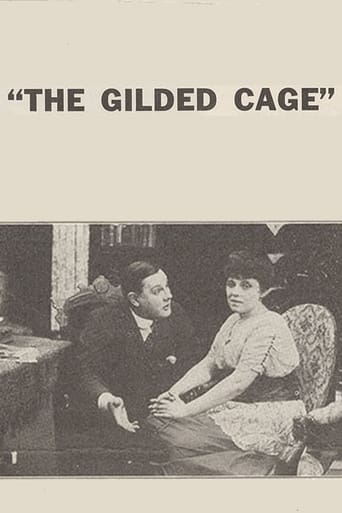
Titles linked here include The Wizard of Oz (1925), The Gilded Cage (1915).
When was Bryant Washburn born and when did he die?
Born April 28, 1889; died April 30, 1963.
What awards did Bryant Washburn win?
While Bryant Washburn did not receive major acting awards during his career, he was honored with a star on the Hollywood Walk of Fame at 6323 Hollywood Blvd for his contributions to the film industry.
What was Bryant Washburn's acting style?
Washburn was known for his naturalistic acting style that evolved from theatrical gestures to subtle performances, excelling particularly in romantic comedy with his charming screen presence and impeccable timing.
How did Bryant Washburn transition from silent to sound films?
Washburn successfully made the transition to talkies in the late 1920s, adapting his acting style for sound cinema and continuing to appear in films through the early 1930s, though his leading man status gradually diminished.
Was Bryant Washburn married and did he have children?
Yes, Washburn was married twice - first to actress Lillian Logan from 1915 until her death in 1951, then to Virginia Vance from 1952 until his death. He had two children with his first wife: Bryant Washburn Jr. And Dorothy Washburn.
What was Bryant Washburn's contribution to early Hollywood?
Washburn helped establish the romantic comedy genre in American cinema and contributed to Universal Pictures' rise as a major studio, while demonstrating how actors could maintain longevity through adaptability across different filmmaking eras.