
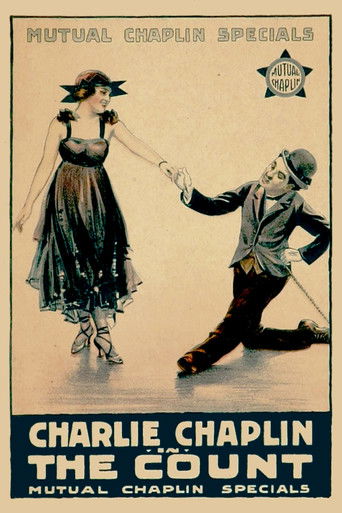
The Laird of McGillicuddy
"Comedy in which Charles retaliates when Louise breaks off th"
Keys: Space play/pause · ←/→ 10s · F fullscreen · M mute · </> speed
About this film
Comedy in which Charles retaliates when Louise breaks off their engagement. Louise breaks off her engagement to Charles. Out of revenge, Charles and his friends turn Kees the milkman into a Scottish lord, who is meant to make a big impression at the ball. He dances very rudely with Louise, and out of nervousness admits that he is only a milkman. Charles responds angrily, and pretends that this was a joke that his friends had arranged; he then tries to hit Kees and his friends. Louise stops him, and they kiss, once again in love.
Cast & crew
More films like this


More Comedy films
View all →







More about this film
About the production
Release dateMarch 22, 1913
ProductionEssanay Film Manufacturing Company
Filmed inChicago, Illinois
The short was produced during Essanay's early period when they were establishing themselves as a major comedy studio. The production utilized simple sets typical of the era, with the ball scene likely filmed on a modest studio set. The Scottish costume for the milkman character would have been created in-house by Essanay's wardrobe department, reflecting the limited resources but creative solutions of early film production.
Themes
Revenge and reconciliationClass deceptionRomantic misunderstandingSocial pretensionComic humiliation
Themes & topics
engagementrevenge plotimpersonationScottish lordmilkmanballdeceptionreconciliationkiss
Historical background
By 1913, Essanay Film Manufacturing Company was supplying United States theaters with titles like The Laird of McGillicuddy, part of the broader expansion of filmed entertainment into working-class districts and small towns.
Why this film matters
Programmers and historians revisit The Laird of McGillicuddy (1913) because its story—comedy in which charles retaliates when louise breaks off their engagement—illustrates popular narrative habits and production norms of the period.
Making of
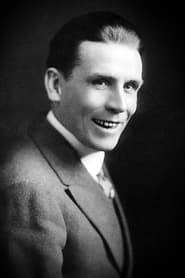
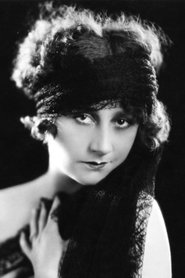
The production of 'The Laird of McGillicuddy' took place during Essanay's formative years in Chicago, before the company expanded to California. Augustus Carney, who plays Charles, was one of Essanay's most prolific actors, appearing in dozens of short comedies for the studio. the picture's simple premise of class deception through costume was a common trope in early silent comedy, allowing for maximum visual humor without the need for elaborate sets or complex staging. Ruth Stonehouse, who portrays Louise, was one of the few actresses of the era who successfully transitioned from acting to directing later in her career. The milkman character's transformation into a Scottish lord would have relied heavily on physical comedy and exaggerated gestures, as was typical of the period's acting style.
What critics said
English-language trade reviews of The Laird of McGillicuddy are limited for 1913. Where notices survive, they stress pacing and photographic clarity; later criticism values the title as archival evidence of studio style.
Did you know?
- was part of Essanay's popular comedy series featuring Augustus Carney, who was one of the studio's most reliable comic actors.
- The title 'The Laird of McGillicuddy' uses the Scottish term 'laird' (meaning lord) combined with an Irish-sounding name, reflecting the common practice of ethnic humor in early American comedy.
- Director unknown - many Essanay films from this period did not credit directors, as the studio system prioritized star actors over filmmakers.
- the picture was likely shot in just one or two days, which was typical for short comedies of this era.
- Essanay Film Manufacturing Company was founded in 1907 and would later become famous for hiring Charlie Chaplin in 1915.
- The milkman character represents the common working-class figures frequently featured in early comedies, serving as relatable protagonists for audiences.
- was released during the peak of the single-reel comedy era, when 10-minute shorts were the standard format for comedic films.
- The ball scene would have featured period-appropriate music played live in theaters during screenings, as this was before the era of synchronized sound.
Visual style
The cinematography would have been typical of Essanay's 1913 output, utilizing static camera positions and basic lighting setups. the picture was likely shot on 35mm black and white film stock with standard aspect ratio for the period. Visual composition would have followed theatrical conventions, with actors positioned to maximize visibility of their expressions and gestures. The ball scene might have featured slightly more dynamic camera work if any tracking shots were employed, though most shots would have been stationary to accommodate the limited camera technology of the era.
Innovations
the picture does not appear to feature any notable technical innovations, representing standard production quality for Essanay comedies of 1913. The use of intertitles to convey dialogue and plot points was standard practice for the period. Any special effects would have been achieved through in-camera techniques rather than post-production manipulation. the picture's technical aspects reflect the established conventions of early American cinema rather than pushing boundaries.
Music
As a silent film, 'The Laird of McGillicuddy' would have been accompanied by live music during theatrical screenings. The typical accompaniment would have included a piano or small organ, with selections appropriate to each scene's mood. The ball scenes would have featured waltzes or other dance music of the period, while comedic moments might have been underscored with lighter, more playful tunes. The specific musical selections would have been left to the discretion of each theater's musical director.
Famous quotes
I am only a milkman!" - Kees during his nervous confession at the ball
This was all a joke arranged by my friends!" - Charles attempting to cover up the failed revenge plot
Memorable scenes
- The transformation of the milkman Kees into a Scottish laird, complete with costume and mannered behavior; The climactic ball scene where Kees, attempting to maintain his aristocratic disguise, dances rudely with Louise before breaking character and confessing his true identity; The final reconciliation where Louise prevents Charles from attacking his friends and the couple kiss, restoring their relationship
What audiences thought
Audiences in 1913 likely responded positively to the picture's straightforward humor and familiar romantic comedy structure. The visual gags involving the milkman's transformation and awkward behavior at the ball would have provided the kind of immediate entertainment that theater audiences of the era expected. The reconciliation ending would have satisfied contemporary viewers' preference for happy resolutions. As part of a typical theater program, this short comedy would have served as light entertainment between more substantial features.
Film connections
Influenced by
- Theatrical comedy traditions
- Music hall humor
- Early French comedies
- Shakespearean mistaken identity plots
This film influenced
- Later romantic comedies featuring deception plots
- Essanay's subsequent comedy shorts
Film restoration
The preservation status of 'The Laird of McGillicuddy' is uncertain, as many Essanay shorts from this period are considered lost or exist only in fragmentary form. No complete prints are known to be held in major film archives, suggesting it may be a lost film. However, some film historians continue to search for surviving copies in private collections or lesser-known archives.
Where to watch
- Currently not available for viewing, likely due to being a lost film