Jess Robbins
Actor & Director
Born: April 30, 1886 in Dayton, Ohio, United States Died: March 10, 1970 Active: 1913-1930
Films
3 films
About Jess Robbins
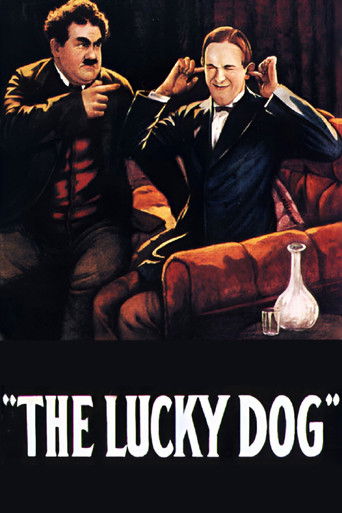
Figure in American silent cinema who began his career as an actor in the early 1910s before transitioning into directing and producing. He started his film career with Keystone Studios and appeared in numerous short comedies during the formative years of Hollywood. Robbins gradually moved behind the camera, becoming a prolific director for Hal Roach Studios where he helmed dozens of comedy shorts. His most significant contribution to cinema history was directing 'The Lucky Dog' in 1921, which marked the first screen appearance of Stan Laurel and Oliver Hardy together, though not yet as an established comedy duo. Throughout the 1920s, Robbins continued directing comedies, working with many of the era's notable comic talents. His the crucial transitional period from short-form comedy to feature-length films. After the advent of sound, Robbins' directorial output decreased significantly, and he eventually retired from the film industry. His legacy lives on through his early work in shaping American comedy cinema and his role in bringing together two of comedy's greatest legends.
The Craft
On Screen
As an actor in the early 1910s, Robbins employed the exaggerated physical comedy style typical of the Keystone era, utilizing broad gestures, slapstick timing, and expressive facial movements that were essential for silent film communication. His performances were characterized by energetic movement and the ability to convey humor through physical rather than verbal means.
Behind the Camera
Robbins developed a straightforward, efficient directing approach focused on clear visual storytelling and comedic timing. His direction emphasized physical gags and situational comedy, with a keen understanding of pacing necessary for short-form comedy. He favored medium shots that allowed performers to showcase their physical comedy skills while maintaining narrative clarity.
Milestones
- First film to feature Stan Laurel and Oliver Hardy together in 'The Lucky Dog' (1921)
- Prolific director at Hal Roach Studios during the 1920s
- Transition from successful actor to respected director
- Directed over 50 comedy shorts during the silent era
- Worked with many early comedy stars including Harold Lloyd and Snub Pollard
Best Known For
Iconic Roles
Must-See Films
Accolades
Special Recognition
- Historical recognition for directing first Laurel and Hardy collaboration
Working Relationships
Worked Often With
Studios
Why They Matter
Impact on Culture
Jess Robbins played a crucial though often overlooked role in the development of American comedy cinema during its formative years. His direction of 'The Lucky Dog' represents a pivotal moment in film history, as it brought together two performers who would later become. This film, while not initially recognized as significant, has gained historical importance as the first screen pairing of Laurel and Hardy. Robbins' work at Hal Roach Studios contributed to the development of the studio's comedy style that would later influence generations of filmmakers. His transition from actor to director exemplified the entrepreneurial spirit of early Hollywood, where talent often moved between roles to meet the industry's demands.
Lasting Legacy
Jess Robbins' legacy primarily rests on his historical significance as the director who first paired Stan Laurel and Oliver Hardy, making him an important footnote in comedy history. While not as famous as many of his contemporaries, his body of work represents the typical output of a competent, reliable director during the silent era. Film historians and comedy enthusiasts recognize his contribution to preserving the first collaboration between two comedy legends. His films serve as valuable examples of early American comedy filmmaking techniques and styles. The rediscovery and preservation of 'The Lucky Dog' have ensured that Robbins' name remains connected to this significant moment in cinema history.
Who They Inspired
Robbins influenced the development of short-form comedy during the silent era through his efficient directing style and understanding of comedic timing. His work helped establish patterns and techniques that would become standard in comedy filmmaking. While he didn't develop a distinctive cinematic style that would be widely emulated, his professionalism and reliability as a director contributed to the success of Hal Roach Studios during its formative years. The actors he worked with, particularly in his early collaborations with Laurel and Hardy, benefited from his direction as they developed their comic personas.
Off Screen
Jess Robbins maintained a relatively private personal life away from the Hollywood spotlight. He was married and had children, though specific details about his family life are not extensively documented in film archives. After retiring from the film industry, Robbins lived a quiet life away from public attention. His later years were spent in Los Angeles, where he remained until his death in 1970 at the age of 83.
Education
No formal film education, typical of early cinema pioneers who learned on the job
Family
- Unknown (marriage details not extensively documented)
Did You Know?
- Directed the first film to feature both Stan Laurel and Oliver Hardy, though they weren't yet a comedy team
- Began his career as an actor with Mack Sennett's Keystone Studios
- Worked extensively during the transition from one-reel to two-reel comedies
- His films are valuable historical documents of early American comedy
- Directed over 50 films during his career, though many are now lost
- Was part of the group of directors who helped establish Hal Roach Studios as a comedy powerhouse
- His directing active years covered the entire silent era
- Worked with many of the early comedy stars who would later become famous
- His films often featured elaborate physical comedy sequences
- Retired from directing shortly after the transition to sound films
In Their Own Words
No documented famous quotes from Jess Robbins are available in historical records
Frequently Asked Questions
Who was Jess Robbins?
American actor and on YTB.my.
What films is Jess Robbins best known for?
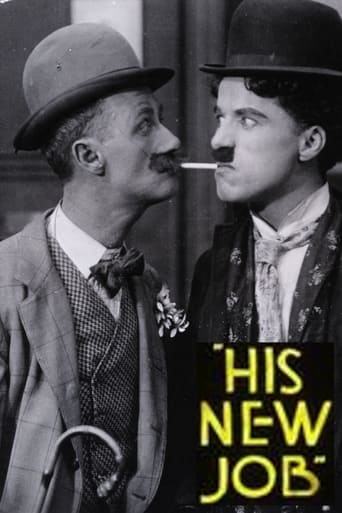
Titles linked here include The Lucky Dog (1921), His New Job (1915).
When was Jess Robbins born and when did he die?
Born April 30, 1886; died March 10, 1970.
What awards did Jess Robbins win?
Jess Robbins did not receive major formal awards during his career, which was typical for many behind-the-camera personnel in the silent era. His primary recognition comes from historical appreciation of his role in directing the first Laurel and Hardy collaboration.
What was Jess Robbins' directing style?
Robbins employed a straightforward, efficient directing style focused on clear visual storytelling and comedic timing, emphasizing physical gags and situational comedy with a keen understanding of pacing necessary for short-form comedy films.
How did Jess Robbins contribute to comedy history?
Robbins' most significant contribution to comedy history was directing 'The Lucky Dog,' which brought together Stan Laurel and Oliver Hardy for the first time on screen, creating a pivotal moment that would eventually lead to their formation as one of cinema's greatest comedy teams.