
The Lucky Dog
"A lucky dog foils a bad man."
Keys: Space play/pause · ←/→ 10s · F fullscreen · M mute · </> speed
About this film
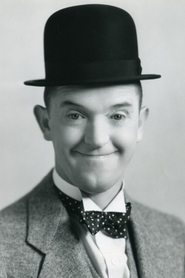
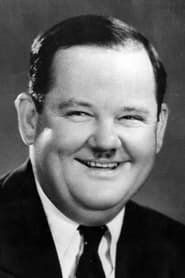
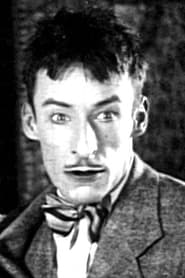
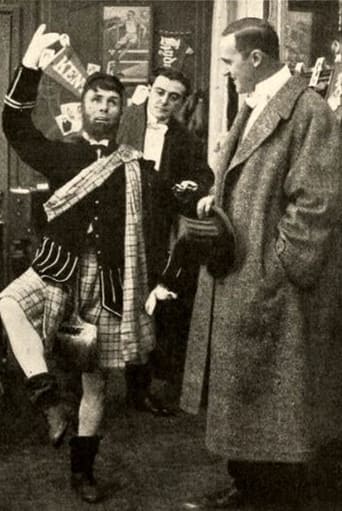
Stan Laurel adopts a stray dog and courts Florence Gilbert until Oliver Hardy's crook tries to rob them at gunpoint. The dog's antics thwart the holdup in the first screen pairing of Laurel and Hardy, years before they became an official team.
Cast & crew
More films like this
More Comedy films
View all →







More from Jess Robbins
View all →
More about this film
About the production
Release dateSeptember 1921
Box officeUnknown - box office records for shorts of this period were not systematically maintained by studios
ProductionReelcraft Pictures Corporation
Filmed inLos Angeles, California, Various street locations in Hollywood
This was a standard two-reel comedy short produced quickly and efficiently, typical of the factory-like production system of early Hollywood where shorts were churned out rapidly to meet theater demand. The film was shot on location in Los Angeles during the summer of 1921, utilizing available outdoor locations rather than elaborate studio sets to save costs. The dog in the film was a trained animal actor that had appeared in several other silent comedies, though its specific name and training details have been lost to history. Production followed the standard practices of the era, with minimal scripting and significant room for improvisation by the comedians, particularly during the physical comedy sequences.
Themes
LoveComedy
Themes & topics
firstscreenappearancetogetherstanplayspenniless
Historical background
Jess Robbins directed the 1921 Reelcraft two-reeler in Los Angeles while both comedians were still building solo careers.
Why this film matters
The Lucky Dog is hunted by historians as the duo's accidental first meeting on film.
Making of
Production details for The Lucky Dog are sparse in surviving records. Direction is attributed to Jess Robbins.
What critics said
Trade reviews treated it as a standard comedy short; rediscovery in the 1970s reframed it as a footnote to comedy history.
Did you know?
- Directed by Jess Robbins.
- Production country: United States.
- Release year commonly listed as 1921.
- The Lucky Dog (1921) is the first film to include Stan Laurel and Oliver Hardy together in a film before they became the famous comedy duo of Laurel and Hardy.
- TMDB identifier: 81443.
Visual style
The cinematography of 'The Lucky Dog' reflects standard practices for comedy shorts of the early 1920s, employing straightforward techniques designed to clearly showcase the comic action rather than create artistic visual effects. The film was likely shot on 35mm film with stationary cameras typical of the period, with limited camera movement and mostly static compositions that allowed the physical comedy to play out clearly for the audience. Outdoor scenes utilize natural lighting, taking advantage of California's abundant sunshine, while interior sequences would have employed the artificial lighting techniques of the era, likely using basic setups to illuminate the action without creating dramatic effects. The visual style prioritizes clarity for the comedy sequences, ensuring that the physical gags and slapstick action are clearly visible to the audience and that both performers remain in frame during their interactions. No distinctive cinematographic innovations are present in the film, as its purpose was straightforward entertainment rather than artistic experimentation or technical advancement. The camera work serves the comedy by maintaining appropriate distances for the physical action and ensuring that the performers' expressions and movements are clearly visible to the audience. The visual presentation is clean and functional, without the elaborate camera work or lighting effects that might be found in more prestigious feature films of the period, reflecting its status as a standard comedy short produced quickly and efficiently.
Innovations
As a standard comedy short of 1921, 'The Lucky Dog' does not feature notable technical achievements or innovations in its original production. The film was produced using conventional technology and techniques of the period, without special effects, groundbreaking cinematography, or technical experimentation that would distinguish it from other shorts of its type. The technical aspects of the film reflect the established practices of Hollywood comedy short production, including standard editing techniques, basic camera work, and straightforward soundstage and location filming that prioritized efficiency and clarity over artistic innovation. The film's preservation and restoration in later years could be considered technically significant, as the process of saving and restoring early silent films requires specialized expertise and technology to prevent further deterioration and make the films accessible to modern audiences. The fact that the film survived at all, given the extremely high rate of loss for early cinema (estimated at over 90% for silent films), represents a technical achievement in film preservation and underscores the importance of film archives and collectors in saving cinema history. However, in terms of its original production, the film was technically conventional for its time and genre, focusing on efficient storytelling and comedy delivery rather than technical innovation or advancement.
Music
As a silent film, 'The Lucky Dog' would have been accompanied by live musical performance during its original theatrical run in 1921. The specific musical score used for the film is not documented, as theaters typically used compiled scores or improvisation for shorts of this type rather than specially composed music. A typical accompaniment might have included popular songs of the era, classical pieces, and specially compiled musical cues synchronized with the on-screen action to enhance the mood and emphasize the comic elements. The piano was the most common instrument for short film accompaniment, though larger theaters might have used small orchestras or organists to provide music for their programs. Modern screenings and home video releases have featured newly composed scores by silent film accompanists, typically using period-appropriate musical styles to recreate the authentic viewing experience for contemporary audiences. These contemporary scores often incorporate ragtime, early jazz, and popular music from the early 1920s to match the film's period setting and comic tone. The music would have emphasized the comic elements of the film, with playful melodies for the lighter moments, romantic themes for the scenes between Stan and his girlfriend, and more dramatic or suspenseful cues for the robbery sequences and chase scenes.
Famous quotes
(Silent film - no dialogue quotes available, as intertitles were minimal and primarily served to advance the plot rather than deliver memorable lines)
Memorable scenes
- The opening sequence where Stan Laurel's character saves the dog from being run over, establishing both his kind nature and the film's title premise in a classic silent comedy setup
- The romantic meeting between Stan and Florence Gilbert's character, showcasing the gentle comedy of courtship that would later become a staple of Laurel and Hardy films
- The robbery sequence where Oliver Hardy attempts to steal from the couple, leading to slapstick complications as the dog interferes with the criminal plans
- The climactic chase scene involving all characters and the dog, showcasing typical silent comedy chase techniques with escalating physical comedy and near-misses
- The final resolution where the dog's actions inadvertently lead to Hardy's capture, providing the satisfying conclusion typical of comedy shorts of the era
What audiences thought
Patrons who saw The Lucky Dog during initial runs judged it alongside other comedy film releases of the day.
Film connections
Influenced by
- Typical silent comedy short format of the era
- Slapstick comedy traditions from vaudeville and music halls
- Mack Sennett comedy style
- Chase sequence conventions from early cinema
This film influenced
- Subsequent Laurel and Hardy films as they developed their partnership
- Comedy shorts featuring animal actors as comic sidekicks
- Early sound comedy shorts that adapted similar situations
- Later films that referenced or parodied early comedy tropes
Film restoration
The film was considered lost for many decades before a copy was discovered in the 1970s in a private collection, highlighting the fragility of silent film preservation. The surviving print is incomplete but contains the majority of the film's content, allowing for a reasonable reconstruction of the original story and gags. The film has been preserved by film archives including the Library of Congress and various film preservation organizations, and has been restored for modern viewing, though some deterioration from age is visible in available copies. The preservation status makes it relatively accessible compared to many other silent shorts from the period, though the quality varies depending on the source material and the specific restoration version. Multiple versions exist in different archives, with varying degrees of completeness and image quality, reflecting the film's journey through various collectors and preservation efforts over the decades.
Where to watch
- Available on DVD collections of Laurel and Hardy's early work, particularly in comprehensive box sets of their silent films
- Streaming on various classic film platforms including some dedicated silent cinema streaming services
- Occasionally screened at film festivals and classic cinema events, often with live musical accompaniment
- Available through some film archive websites and educational platforms that specialize in classic cinema
- Included in some public domain collections of silent films, though quality may vary significantly between versions