Films
3 films
About Edward Jefferson
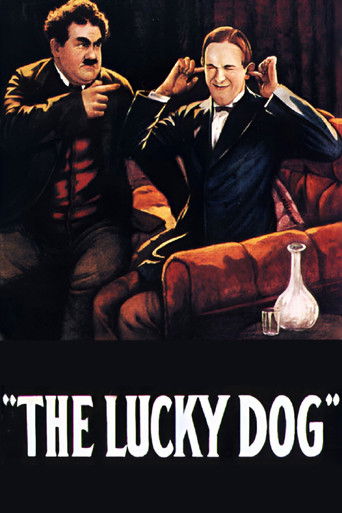
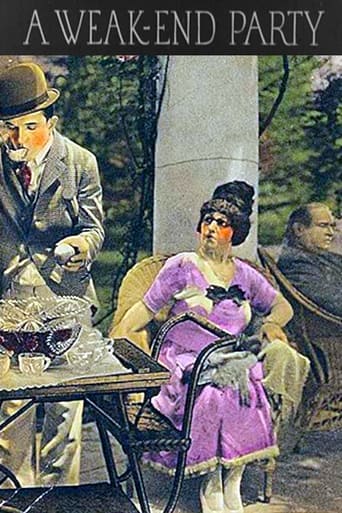
Minor character actor during the silent film era, appearing in a brief series of comedy shorts in the early 1920s. His film only two years from 1921 to 1922, during which he appeared in three known productions. Jefferson worked primarily in the comedy genre, appearing alongside emerging talents of the period. His most notable appearance was in 'The Lucky Dog' (1921), which historically significant as the first film to feature both Stan Laurel and Oliver Hardy, though they would not become the famous comedy duo until years later. After his brief stint in films, Jefferson seemingly vanished from the entertainment industry, with no further documented appearances or career in cinema. Like many bit players of the silent era, detailed records of his life and career remain scarce, reflecting how countless supporting actors contributed to early cinema without achieving lasting fame or recognition.
The Craft
On Screen
Based on his appearances in comedy shorts, Edward Jefferson likely employed the exaggerated physical acting style typical of silent film comedians, using broad gestures and facial expressions to convey humor and character to audiences without the benefit of synchronized dialogue.
Milestones
- Appeared in The Lucky Dog (1921), historically significant as first film featuring both Laurel and Hardy
- Worked in comedy shorts during the early silent era
- Brief film career spanning only two years
Best Known For
Must-See Films
Why They Matter
Impact on Culture
Edward Jefferson's cultural impact is minimal, reflecting his brief career as a supporting actor in the early 1920s. However, his participation in 'The Lucky Dog' connects him to a historically significant moment in comedy film history, as this movie represents the first screen appearance of what would become one of cinema's most beloved comedy duos. His story exemplifies how countless anonymous actors contributed to the development of early cinema, providing the supporting foundation that allowed stars to shine and genres to evolve.
Lasting Legacy
Edward Jefferson's legacy is primarily that of a representative figure among the thousands of forgotten actors who populated early American cinema. His brief filmography serves as a reminder of the vast, anonymous workforce that made the silent film era possible. While his name may not be remembered, his contributions to these early comedy shorts are preserved as part of the historical record of American film development.
Who They Inspired
As a minor character actor with an extremely brief career, Edward Jefferson had no documented influence on other actors or filmmakers. His story rather illustrates the transient nature of early Hollywood, where many aspiring actors passed through the industry without leaving a lasting mark or mentorship legacy.
Off Screen
Very little is documented about Edward Jefferson's personal life, which is not uncommon for minor actors of the silent era who never achieved star status. Like many bit players of the period, his life story remains largely unrecorded in film history.
Did You Know?
- Edward Jefferson's entire known filmography consists of only three films made within a single year
- His most famous film, 'The Lucky Dog', was historically significant but he was not one of the featured stars
- Like many silent era bit players, virtually no biographical information about him survives
- His career ended before the transition to sound films in the late 1920s
- He represents the typical journeyman actor of early Hollywood - appearing briefly then disappearing from records
- The lack of information about him is typical of supporting actors from this period who never achieved stardom
Frequently Asked Questions
Who was Edward Jefferson?
Screen credits include three comedy shorts between 1921 and 1922. He is primarily known for his brief appearance in 'The Lucky Dog' (1921), which was historically significant as the first film to feature both Stan Laurel and Oliver Hardy.
What films is Edward Jefferson best known for?
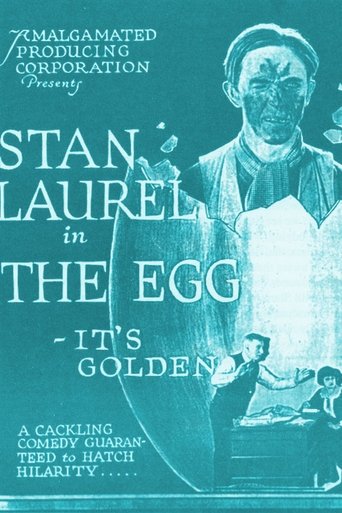
Titles linked here include The Lucky Dog (1921), The Egg (1922).
When was Edward Jefferson born and when did he die?
Unfortunately, Edward Jefferson's birth and death dates are not documented in historical records, which is common for minor supporting actors from the silent era who never achieved significant fame.
What awards did Edward Jefferson win?
Edward Jefferson did not receive any known awards or nominations during his brief two-year acting career. Like most bit players of the silent era, he worked without formal recognition from the industry.
What was Edward Jefferson's acting style?
Based on his appearances in comedy shorts, Jefferson likely employed the exaggerated physical acting style typical of silent film comedians, using broad gestures and facial expressions to convey humor to audiences without synchronized dialogue.
Why is Edward Jefferson not well documented in film history?
Edward Jefferson represents the countless anonymous actors who populated early Hollywood but never achieved star status. The lack of documentation about his life and career is typical of supporting players from the silent era whose contributions were significant but largely unrecorded for posterity.