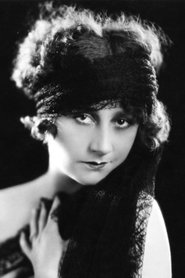
Ruth Stonehouse
Actor
Born: September 28, 1892 in Denver, Colorado, USA Died: May 12, 1941 Active: 1911-1923
Films
4 films
About Ruth Stonehouse
Made significant contributions to early silent cinema during the 1910s. Born in Denver, Colorado, she began her film career in 1911 and quickly rose to prominence as a versatile performer in numerous short films and features. Stonehouse worked with several major studios of the era, including Essanay and Universal, appearing in comedies, dramas, and westerns. Her talent extended beyond acting, and she became one of the few women directors of her time, helming several films in the mid-1910s. She was particularly known for her work in comedy shorts and her ability to convey emotion through the physical acting style required by silent films. Stonehouse's from 1911 to the early 1920s, during which she appeared in over 100 films and directed approximately 15 shorts. After retiring from the film industry, she lived a private life until her death in 1941 at the age of 48.
The Craft
On Screen
Stonehouse was known for her expressive and naturalistic acting style that was well-suited to silent cinema. She possessed a remarkable ability to convey complex emotions through facial expressions and body language, which was essential in the era before synchronized sound. Her performances often featured a blend of comedic timing and dramatic depth, making her versatile across genres. She was particularly praised for her work in light comedies, where her vivacious personality and physical comedy skills shone through.
Milestones
- Began film career in 1911 with Essanay Studios
- Transitioned to directing in the mid-1910s
- Directed approximately 15 silent short films
- Appeared in over 100 films during her career
- Married to prominent actor Wallace Beery (1916-1919)
- Notable for her work in comedy shorts and dramatic features
Best Known For
Iconic Roles
Must-See Films
Accolades
Special Recognition
- Recognized as one of the women directors in early Hollywood
Working Relationships
Worked Often With
Studios
Why They Matter
Impact on Culture
Ruth Stonehouse's cultural impact lies primarily in her role as one of the women directors in early Hollywood during a time when the industry was overwhelmingly male-dominated. Her successful transition from actress to director in the mid-1910s demonstrated that women could excel behind the camera as well as in front of it. Stonehouse's work helped pave the way for future generations of female filmmakers, and her films often featured strong female characters who challenged traditional gender roles. Her career represents an important chapter in the history of women in cinema, highlighting the opportunities that existed for women in the early film industry before the studio system became more rigid and restrictive.
Lasting Legacy
Ruth Stonehouse's legacy endures as proof of the significant contributions women made to early cinema, particularly during the silent era. While many of her films have been lost to time, historical records and surviving works demonstrate her skill as both a performer and director. She is remembered by film historians as part of the first generation of women directors in Hollywood, alongside contemporaries like Lois Weber and Alice Guy-Blaché. Her career serves as an important reminder that women played crucial roles in shaping the film industry from its earliest days, and her story continues to inspire discussions about gender equality in filmmaking.
Who They Inspired
Stonehouse influenced the film industry primarily through her example as a successful woman director in an era when such positions were rare for women. Her work demonstrated that women could effectively direct both comedies and dramas, handling the technical and creative aspects of filmmaking with competence. While direct records of her mentoring relationships are limited, her career undoubtedly inspired other women in the industry to pursue directing and other behind-the-camera roles. Contemporary filmmakers and historians studying early cinema often cite her work as an example of the diverse creative voices that contributed to Hollywood's development.
Off Screen
Ruth Stonehouse's personal life was marked by two significant marriages to prominent actors in the film industry. Her first marriage to Wallace Beery, who would later become an Academy Award-winning actor, lasted from 1916 to 1919 and was highly publicized in Hollywood circles. After her divorce from Beery, she married actor Harry Gribbon, with whom she remained until her death. Despite her success in early Hollywood, Stonehouse maintained a relatively private personal life and stepped away from the film industry in the early 1920s. She spent her later years away from the public eye, focusing on her family and personal interests.
Education
Limited information available about her formal education, though she likely received training in dramatic arts given her early success in film
Family
- Wallace Beery (1916-1919)
- Harry Gribbon (1923-1941)
Did You Know?
- Was one of approximately 10 women working as directors in Hollywood during the 1910s
- Her marriage to Wallace Beery ended in divorce partly due to his alcoholism
- Many of her films are now considered lost, a common fate for silent era productions
- Began her career at age 19, relatively young for the era
- Worked with 'Broncho Billy' Anderson, one of the first Western film stars
- Directed her first film in 1915, just four years after entering the industry
- Her directorial work was primarily focused on comedy shorts
- Retired from filmmaking relatively early, in her early 30s
- Was part of the transition from short films to feature-length productions in the 1910s
- Her filmography includes both American and international productions
In Their Own Words
Information about specific quotes from Ruth Stonehouse is not widely documented in historical records
As a silent film actress, her 'quotes' were primarily conveyed through her expressive performances rather than spoken words
Frequently Asked Questions
Who was Ruth Stonehouse?
American actress and on YTB.my. She appeared in over 100 films and directed approximately 15 shorts, making her one of the women directors in early Hollywood.
What films is Ruth Stonehouse best known for?
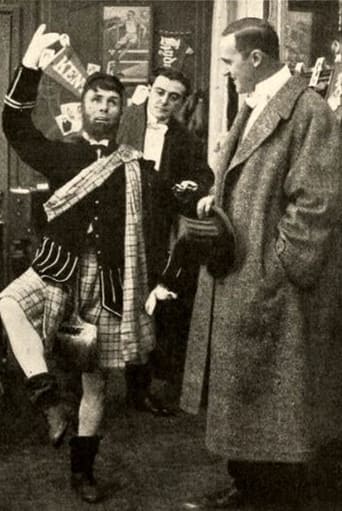
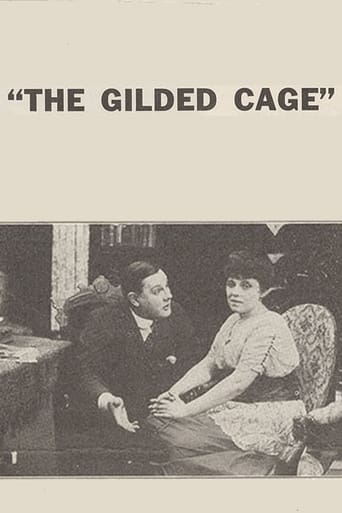
Titles linked here include The Laird of McGillicuddy (1913), The Gilded Cage (1915).
When was Ruth Stonehouse born and when did she die?
Born September 28, 1892; died May 12, 1941.
Was Ruth Stonehouse married?
Yes, Stonehouse was married twice. Her first marriage was to actor Wallace Beery from 1916 to 1919, and her second marriage was to actor Harry Gribbon from 1923 until her death in 1941.
What was Ruth Stonehouse's contribution to early cinema?
Stonehouse was significant as one of the few women directors in early Hollywood, directing numerous shorts in the mid-1910s. She also appeared in over 100 films as an actress, helping establish the foundation for women's roles in the film industry.
Why did Ruth Stonehouse retire from filmmaking?
Stonehouse retired from the film industry in the early 1920s, though specific reasons are not well documented. This was relatively early in her career, suggesting she may have chosen to focus on her personal life after marrying Harry Gribbon.
How many films did Ruth Stonehouse direct?
Historical records indicate that Ruth Stonehouse directed approximately 15 short films, primarily comedies, between 1915 and 1917. Many of these films are now considered lost.