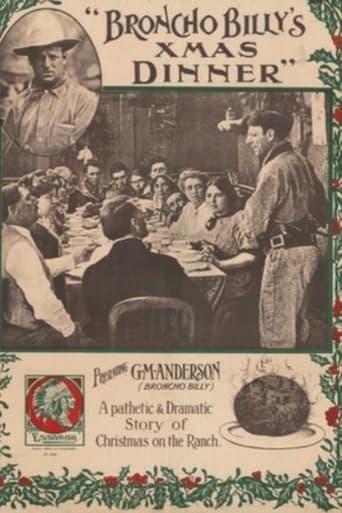
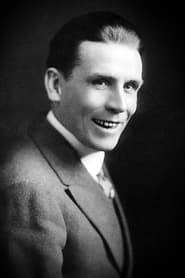
Augustus Carney
Actor
Born: March 17, 1870 in Dublin, Ireland Died: September 20, 1920 Active: 1911-1913
Films
4 films
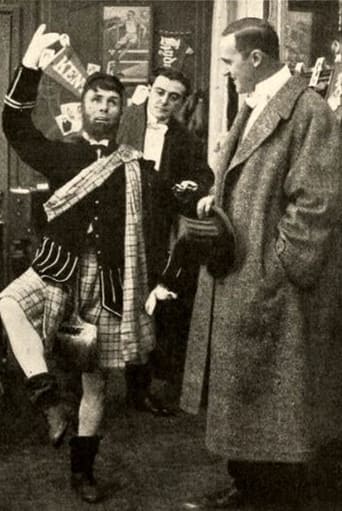
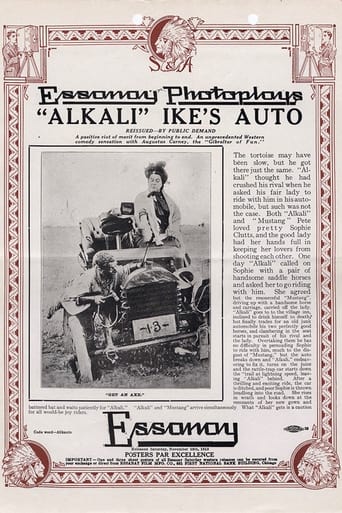
About Augustus Carney
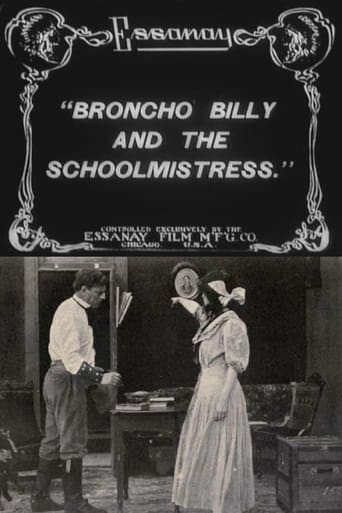
Irish-born American silent film actor who found his niche in the early days of cinema during the 1910s. He began his film career with Essanay Studios in 1911, quickly becoming a familiar face in their popular western productions. Carney specialized in character roles, often portraying comic sidekicks, bumbling ranch hands, or eccentric townspeople in the Broncho Billy series starring G.M. Anderson. His distinctive appearance, with his round face and expressive features, made him instantly recognizable to audiences of the era. Though his film career was relatively brief, spanning primarily from 1911 to 1913, he appeared in dozens of short films during this period. Carney's performances exemplified the exaggerated physical comedy style common in silent cinema, helping establish character archetypes that would persist throughout the western genre. His collaboration with Anderson and Essanay Studios contributed significantly to the popularity of early western films.
The Craft
On Screen
Carney specialized in broad physical comedy and exaggerated facial expressions typical of the silent era. He employed slapstick techniques and pratfalls to create comic relief in otherwise serious western narratives. His performances were characterized by expressive eyes and body language that effectively conveyed emotion without dialogue.
Milestones
- Signed with Essanay Studios in 1911
- Became regular supporting actor in Broncho Billy western series
- Appeared in over 40 short films during his career
- Established himself as a reliable character actor in westerns
Best Known For
Iconic Roles
Must-See Films
Working Relationships
Worked Often With
Studios
Why They Matter
Impact on Culture
Augustus Carney contributed to the development of the western sidekick archetype that would become a staple of the genre for decades. His work in the Broncho Billy series helped establish the formula of pairing a serious hero with comic relief, a dynamic that would be replicated in countless westerns throughout cinema history. Though not a star, Carney's performances helped make early westerns more accessible to broader audiences by providing humor and emotional variety.
Lasting Legacy
Carney's legacy lies in his contribution to the foundational elements of the western genre during cinema's formative years. His character work helped establish conventions that would influence generations of character actors who followed. While his name is largely forgotten today, film historians recognize his role in developing the ensemble dynamics of early western films.
Who They Inspired
Carney's comic timing and character work influenced subsequent generations of character actors in westerns, particularly those specializing in sidekick roles. His style of physical comedy in western settings can be seen echoed in the work of later actors like Gabby Hayes and Andy Devine, who would perfect the archetype Carney helped establish.
Off Screen
Augustus Carney immigrated to the United States from Ireland in the late 1880s, settling first in New York before moving west. He worked various odd jobs including vaudeville performance before transitioning to film. Carney married Mary O'Brien in 1895, and they had three children together. After his film career ended, he returned to stage work in traveling theater productions until his health declined. He died of heart failure in 1920 at the age of 50.
Education
Limited formal education in Ireland; self-taught in acting through vaudeville experience
Family
- Mary O'Brien (1895-1920)
Did You Know?
- Carney was one of the first Irish actors to find success in American western films
- He appeared in more than 20 Broncho Billy films in just two years
- His distinctive round face made him instantly recognizable to silent film audiences
- Carney often performed his own stunts, including pratfalls and horse riding mishaps
- He was known for his ability to convey multiple emotions using only facial expressions
- Carney's last film appearance was in 1913, after which he returned to stage work
- He was discovered by G.M. Anderson while performing in a Chicago vaudeville show
- Carney was paid $15 per film, a substantial salary for supporting actors at the time
In Their Own Words
In pictures, your face must do the talking. Every wrinkle, every twitch tells the story.
Interview with Moving Picture World, 1912),
Working with Broncho Billy taught me that even the smallest character can make the biggest difference in a picture.
Essanay Studio newsletter, 1912) ],
controversies
externalLinks
faq