Mary Carr
Actor
Born: March 14, 1874 in Germantown, Pennsylvania, USA Died: June 24, 1973 Active: 1915-1956 Birth Name: Mary Kennevan
Films
6 films
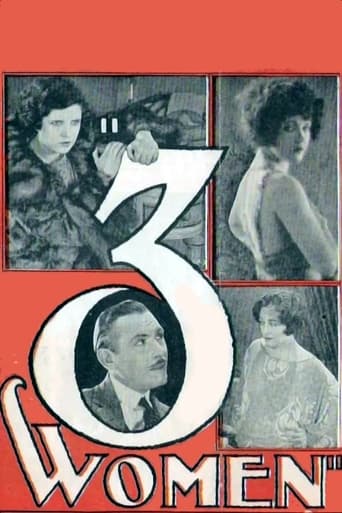
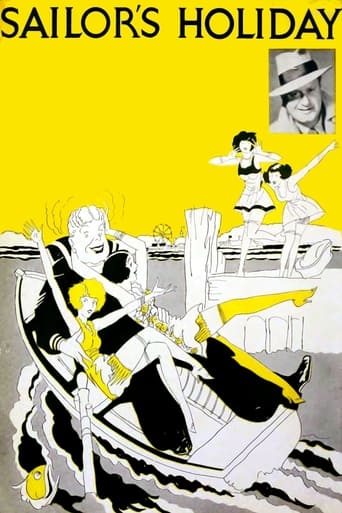
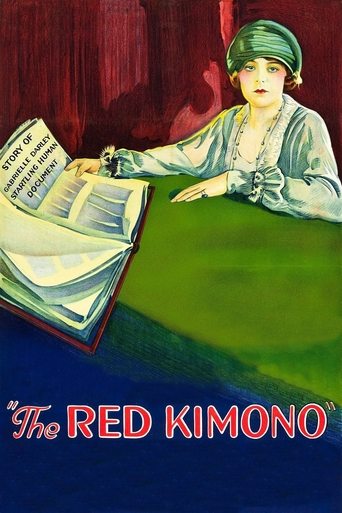
About Mary Carr
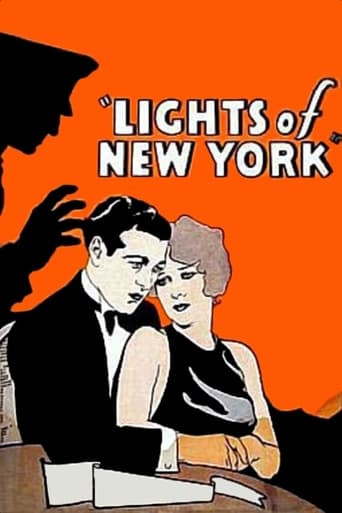
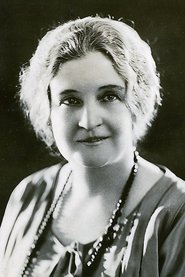
Mary Carr, born Mary Kennevan, was a prolific character actress of the silent era and early talkies, renowned for her portrayals of motherly figures that earned her the nickname 'the Mother of the Movies.' She began her entertainment career on the vaudeville stage before transitioning to films in the mid-1910s with Universal Pictures. Carr quickly established herself as one of Hollywood's most recognizable maternal figures, appearing in over 140 films throughout her career spanning more than four decades. Her breakthrough came with roles in films like 'Over the Hill' (1920), where she played an aging mother abandoned by her children, cementing her typecasting as the quintessential movie mother. She successfully navigated the transition from silent films to talkies, appearing in 'Lights of New York' (1928), the first all-talking feature film. Despite being typecast, Carr brought remarkable depth and authenticity to each maternal role, making her beloved character actresses of her era. She continued acting into the 1950s, often in uncredited bit parts, before retiring from the screen. Her career represents one of the longest and most consistent in early Hollywood, spanning from the silent era through the golden age of cinema.
The Craft
On Screen
Mary Carr specialized in portraying warm, nurturing maternal figures with remarkable emotional authenticity. Her acting style was characterized by expressive facial work and naturalistic gestures that conveyed deep maternal love and concern. She brought a gentle dignity to every mother role, whether playing long-suffering mothers, protective grandmothers, or loving wives. Carr's performances were grounded in realistic emotion rather than melodramatic excess, making her characters relatable to audiences. Her ability to convey complex emotions through subtle expressions made her particularly effective in silent films, where visual storytelling was paramount.
Milestones
- Breakthrough role in 'Over the Hill' (1920) establishing her as the quintessential movie mother
- Appeared in 'Lights of New York' (1928), the first all-talking feature film
- Starred in over 140 films during a career spanning more than four decades
- Successfully transitioned from silent films to talkies
- Became one of Universal Pictures' most reliable character actresses
Best Known For
Iconic Roles
Must-See Films
Accolades
Special Recognition
- Hollywood Walk of Fame star (for contributions to motion pictures)
Working Relationships
Worked Often With
Studios
Why They Matter
Impact on Culture
Mary Carr significantly shaped the archetype of the movie mother in early Hollywood cinema. Her consistent and heartfelt portrayals established a template for maternal characters that would influence generations of actresses and filmmakers. During an era when family values were central to American culture, Carr's performances resonated deeply with audiences, making her. Her work in 'Over the Hill' (1920) was particularly impactful, addressing issues of elder abuse and family abandonment that were rarely discussed in films of that period. Carr's ability to transition successfully from silent films to talkies demonstrated the versatility required of character actors during this revolutionary period in cinema history.
Lasting Legacy
Mary Carr's legacy endures as. She represents the essential supporting actors who provided emotional depth and authenticity to the films of the silent and early sound eras. Her nickname 'the Mother of the Movies' reflects how completely she came to embody the maternal archetype in American cinema. Film historians often cite her as an example of how typecasting, while limiting, could also provide steady employment and audience recognition for character actors. Her career longevity, from the mid-1910s through the 1950s, demonstrates remarkable adaptability in an industry undergoing constant technological and artistic change.
Who They Inspired
Mary Carr influenced subsequent generations of character actresses specializing in maternal roles, establishing techniques for conveying authentic maternal emotions on screen. Her naturalistic acting style helped move film performances away from theatrical exaggeration toward more subtle, realistic portrayals. Younger actresses studying her work learned how to create memorable characters even in limited screen time. Her successful transition from silent films to talkies provided a model for other actors facing the challenges of new technology. Carr's dedication to her craft and professionalism set standards for character actors in Hollywood's studio system.
Off Screen
Mary Carr married actor William Carr in 1897, and they remained together until his death in 1922. The couple had two children, both of whom entered the entertainment industry. Her son, William Carr Jr., became a film director, while her daughter, Mary Carr Jr., also pursued acting. Despite her long career in Hollywood, Carr maintained a relatively private personal life. She was known for her professionalism and dedication to her craft, often working on multiple films simultaneously. After retiring from acting, she lived quietly in Woodland Hills, California, until her death at age 99.
Education
Limited formal education; trained in acting through vaudeville and stage experience
Family
- William Carr (1897-1922)
Did You Know?
- Earned the nickname 'the Mother of the Movies' due to her frequent casting as maternal figures
- Appeared in 'Lights of New York' (1928), the first all-talking feature film in history
- Made her film debut at age 41, relatively late for an actor in that era
- Worked consistently through the Great Depression when many actors struggled to find work
- Often played mothers to actors who were actually older than her in real life
- Was one of the few silent film stars to successfully transition to character roles in sound films
- Her final film appearance was in 'The Tender Trap' (1955), uncredited, at age 81
- Lived to be 99 years old, outlasting most of her contemporaries from the silent era
- Was a contract player at Universal Pictures during their peak years in the 1920s
- Never received an Academy Award nomination despite her prolific career and critical acclaim
In Their Own Words
I've played so many mothers that I've forgotten how many children I've had on screen.
In real life, I was a mother too, so I didn't have to act much when I played those roles.
The silent screen taught me to express everything with my eyes. That's a lesson that never leaves you.
Frequently Asked Questions
Who was Mary Carr?
Prolific American character actress of the silent and early sound era, best known for her portrayals of motherly figures in over 140 films. Born in 1874, she became one of Hollywood's most recognizable maternal figures, earning the nickname 'the Mother of the Movies' for her frequent casting in mother roles throughout her four-decade career.
What films is Mary Carr best known for?
Titles linked here include Over the Hill (1920), The Red Kimona (1925).
When was Mary Carr born and when did she die?
Born March 14, 1874; died June 24, 1973.
What awards did Mary Carr win?
Despite her prolific career and critical acclaim, Mary Carr did not receive major awards during her lifetime. However, she was honored with a star on the Hollywood Walk of Fame for her significant contributions to motion pictures and her enduring impact on cinema as.
What was Mary Carr's acting style?
Mary Carr specialized in portraying warm, nurturing maternal figures with remarkable emotional authenticity and naturalistic gestures. Her acting style emphasized expressive facial work and subtle emotions, making her particularly effective in silent films where visual storytelling was paramount. She brought gentle dignity to every mother role, avoiding melodramatic excess in favor of relatable, heartfelt performances.