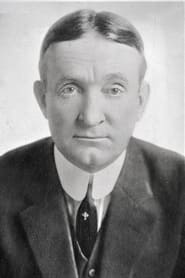
Charles Murray
Actor
Born: June 22, 1872 in Laurel, Indiana, USA Died: July 29, 1933 Active: 1911-1930 Birth Name: Charles Albert Murray
Films
11 films
About Charles Murray
Charles Albert Murray — prolific American character actor who became recognizable faces in silent film comedy. Beginning his career in vaudeville in the late 1890s, Murray transitioned to motion pictures around 1911, joining Mack Sennett's Keystone Studios where he became a staple of their comedy productions. Charles appears in over 200 films during his career, often playing authority figures, villains, or comic foils to the era's greatest comedians. Murray worked extensively with Charlie Chaplin during Chaplin's Keystone period, appearing in several of his early shorts including 'The Masquerader' and 'Mabel's Married Life'. He also collaborated frequently with Mabel Normand, Fatty Arbuckle, and other Keystone stars. His distinctive appearance with his bald head and mustache made him instantly recognizable to audiences of the era. Murray continued working through the 1920s, appearing in both comedies and dramatic roles, though his career declined with the advent of sound films. He made his final film appearances in the early 1930s before his death in 1933.
The Craft
On Screen
Murray was known for his expressive face and physical comedy skills, often playing pompous authority figures or villains who received their comeuppance. His bald head and distinctive mustache made him visually memorable, and he had a talent for both broad slapstick and subtle comic timing. He could effectively switch between comedic and dramatic roles, making him a versatile character actor in the silent era.
Milestones
- Joined Mack Sennett's Keystone Studios in early 1910s
- Appeared in multiple Charlie Chaplin films during Chaplin's Keystone period
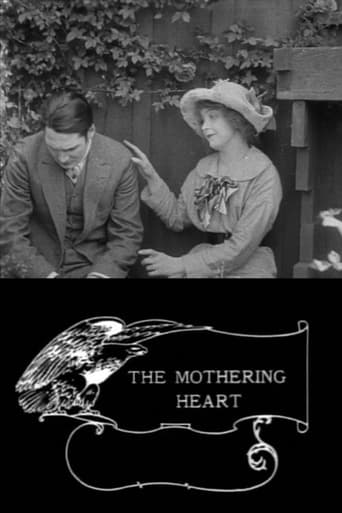
- Worked with D.W. Griffith on 'The Mothering Heart' (1913)
- Starred in over 200 silent films
- Transitioned from vaudeville to successful film career
Best Known For
Iconic Roles
Must-See Films
Working Relationships
Worked Often With
Studios
Why They Matter
Impact on Culture
Integral part of the early Hollywood comedy machine, contributing to the development of American film comedy during its formative years. His work with Keystone Studios helped establish the template for silent comedy that would influence generations of filmmakers. As a regular foil to Charlie Chaplin, Murray participated in creating some of the most influential comedy shorts of the silent era, which continue to be studied by film scholars and comedians today.
Lasting Legacy
Though not as famous as the leading comedians he worked with, Charles Murray's legacy lives on through the hundreds of films in which he appeared. His performances provide valuable documentation of early American comedy techniques and the collaborative nature of silent film production. Film historians and silent film enthusiasts recognize him as.
Who They Inspired
Murray influenced subsequent generations of character actors through his versatility and reliability in supporting roles. His ability to play both comedic and dramatic parts demonstrated the importance of strong supporting performances in ensemble comedy. The authority figure characters he perfected became archetypes in American comedy, influencing how such roles would be portrayed in films for decades to come.
Off Screen
Charles Murray was married twice during his lifetime. He married his first wife, actress Helen Lackey, in the early 1900s, and they had one child together. After their divorce, he married actress and fellow Keystone performer Louise Fazenda in 1917, though this marriage also ended in divorce. Murray lived in Los Angeles during the height of his film career and was known among his colleagues as a reliable and professional actor who was always prepared for his roles.
Education
Limited formal education; trained in vaudeville theater
Family
- Helen Lackey (1905-1915)
- Louise Fazenda (1917-1925)
Did You Know?
- Appeared in over 200 films during his 20-year career
- Was one of the original members of Mack Sennett's Keystone troupe
- Worked with Charlie Chaplin during Chaplin's first year in films
- His distinctive bald head and mustache made him
- Began his entertainment career in vaudeville before transitioning to film
- Often played the villain or authority figure who would ultimately be humiliated by the comedy star
- Worked with both Mack Sennett and D.W. Griffith, two of the most important directors of early cinema
- His career declined with the advent of sound films, as his particular style was better suited to silent comedy
- Was married to fellow Keystone star Louise Fazenda for several years
- Died relatively young at age 61 in 1933, just as the transition to sound was complete
Frequently Asked Questions
Who was Charles Murray?
Prolific American character with credits in this catalog. He appeared in over 200 films between 1911 and 1930, often playing authority figures or comic villains.
What films is Charles Murray best known for?
Titles linked here include The Mothering Heart (1913), Her Friend the Bandit (1914).
When was Charles Murray born and when did he die?
Born June 22, 1872; died July 29, 1933.
What awards did Charles Murray win?
Charles Murray did not receive any major formal awards during his career, as this was before the establishment of many film awards. His recognition came from his prolific output and the respect of his colleagues in the silent film industry.
What was Charles Murray's acting style?
Murray was known for his expressive physical comedy and distinctive appearance, often playing pompous authority figures or villains who received comic comeuppance. His bald head and mustache made him visually memorable, and he excelled at both broad slapstick and subtle comic timing.
Did Charles Murray work with Charlie Chaplin?
Yes, Murray worked extensively with Charlie Chaplin during Chaplin's Keystone period from 1914, appearing in several of Chaplin's early short films where he often served as a comic foil or antagonist to Chaplin's Tramp character.
What happened to Charles Murray's career with the advent of sound?
Like many silent film actors, Murray's career declined with the transition to sound films in the late 1920s. His particular style and appearance were better suited to silent comedy, and he made his final film appearances in the early 1930s before retiring from acting.