Bears and Bad Men
"Stan Laurel headline a silent comedy built around the situations in Bears and Bad Men"
Keys: Space play/pause · ←/→ 10s · F fullscreen · M mute · </> speed
About this film
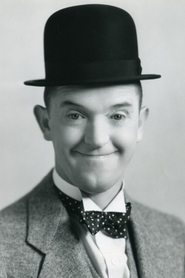
Stan Laurel headline a silent comedy built around the situations in Bears and Bad Men.
Cast & crew
More films like this
More Comedy films
View all →







More from Larry Semon
View all →
More about this film
About the production
Release dateNovember 1918
Box officeUnknown
ProductionVitagraph Studios
Filmed inLos Angeles, California
This was one of the early collaborations between Larry Semon and Stan Laurel before Laurel achieved major stardom. The film was produced during the height of World War I, which affected film production resources. Semon was known for his elaborate and dangerous stunt work, and this film likely featured his trademark physical comedy sequences. The bears used in the production were trained animals, a common practice in silent comedies of the era.
Themes
Physical comedyMan vs. natureComic chaosChase sequencesSlapstick humor
Themes & topics
Historical background
Bears and Bad Men (1918) circulated in the silent era. Bears and Bad Men is a 1918 silent comedy film directed by Larry Semon[1] and featuring Stan Laurel Contemporary trade papers and later preservation notes document its place among nickelodeon and cinema-club programs.
Why this film matters
Bears and Bad Men remains accessible to researchers and viewers as a comedy short in museum, archive, and streaming collections. Programmers cite it when tracing regional production history and surviving early prints.
Making of
The production of 'Bears and Bad Men' took place during a pivotal time in Hollywood history when the studio system was solidifying. Larry Semon, as both director and star, had significant creative control over his projects, which was unusual for the period. The film required careful coordination with animal handlers for the bear scenes, as safety protocols were much less stringent in the silent era. Stan Laurel, who was still developing his screen persona, worked under Semon's direction and likely learned valuable comedic timing techniques that would later serve him well. The film was shot on location in the Los Angeles area, taking advantage of the region's diverse landscapes that could stand in for wilderness settings. Production would have been challenging due to wartime resource restrictions, as many materials and personnel were diverted to the war effort.
What critics said
Day-one reviews for Bears and Bad Men are sparse in digitized press archives; later criticism treats it as a reference point for 1918 cinema programming and preservation.
Did you know?
- This film represents one of the earliest screen appearances of Stan Laurel before his partnership with Oliver Hardy
- Larry Semon was not only the director but also the star of the film, a common practice for comedy directors of the silent era
- The film was released in November 1918, the same month World War I ended
- Semon was known for his dangerous stunts and often performed his own stunt work, including scenes with animals
- The film was produced by Vitagraph Studios, one of the early major film production companies
- Madge Kirby was a regular in Semon's films and often played his romantic interest
- Silent comedies frequently used trained animals for comedic effect, and bears were particularly popular for their imposing presence
- The film's title follows the common silent comedy convention of pairing opposing elements for comedic effect
- This was during the transition period when feature films were becoming more common, but comedy shorts remained popular
- Semon's films were known for their elaborate sets and expensive production values compared to other comedies of the time
Visual style
The cinematography in 'Bears and Bad Men' would have been typical of silent comedy productions of 1918, featuring static camera positions with occasional movement to follow the action. The film would have been shot on black and white film stock, with careful attention to lighting to ensure visibility of the physical comedy sequences. The cinematographer would have needed to capture both the human performers and the animal actors effectively, requiring special techniques to handle the challenges of filming with bears. The visual style would emphasize clarity and composition to support the gags and physical humor. Location shooting in outdoor settings would have provided natural lighting and authentic backgrounds for the wilderness scenes.
Innovations
While 'Bears and Bad Men' was not a groundbreaking technical achievement, it demonstrated the sophisticated production techniques that had become standard in Hollywood by 1918. The film's use of trained animals in comedy sequences required careful coordination and safety measures that were advanced for the time. The chase sequences would have utilized multiple camera setups and editing techniques to create dynamic action sequences. The film benefited from the improved film stock and camera equipment available by the late 1910s, allowing for better image quality and more sophisticated visual storytelling. The production likely employed the continuity editing system that had become standard in Hollywood, ensuring smooth narrative flow despite the physical comedy chaos.
Music
As a silent film, 'Bears and Bad Men' would have been accompanied by live musical performance during its original theatrical run. The typical accompaniment would have included a pianist or small theater orchestra providing mood-appropriate music synchronized with the on-screen action. The score would have featured popular songs of the era as well as classical pieces adapted for comedic effect. Musical cues would have emphasized chase sequences, pratfalls, and moments of suspense involving the bears. Modern screenings of the film typically feature newly composed scores or period-appropriate music performed by silent film accompanists. The original musical cues or specific compositions used in 1918 are not documented.
Famous quotes
(Silent film - no dialogue)
Memorable scenes
- The climactic chase sequence where Larry Semon's character is pursued by both bears and the bad men, creating a chaotic finale typical of Semon's comedy style. The scene likely featured elaborate physical gags and near-misses as the protagonist navigates between the pursuing animals and criminals.
What audiences thought
Audience reception in 1918 would have been generally positive, as Larry Semon was a popular comedy star of the era. The film's combination of slapstick humor, animal comedy, and chase sequences would have appealed to the typical moviegoing audience of the time. The presence of trained bears would have been a particular draw for audiences, as animal acts were a popular novelty in silent films. The film's release timing in November 1918 meant it would have been seen by audiences celebrating the end of World War I, potentially enhancing its escapist appeal. Modern audiences primarily encounter the film through silent film festivals and archival screenings, where it is appreciated for its historical significance and as an example of early 20th-century comedy entertainment.
Film connections
Influenced by
- Mack Sennett comedies
- Charlie Chaplin's early work
- Keystone comedy style
- Vaudeville traditions
This film influenced
- Later Larry Semon comedies
- Stan Laurel's solo work
- Animal comedy shorts of the 1920s
Film restoration
The preservation status of 'Bears and Bad Men' is uncertain, as many silent films from this period have been lost. Some Larry Semon films survive in archives, while others exist only in fragments or are completely lost. The film may be held in film archives such as the Library of Congress, UCLA Film & Television Archive, or other silent film collections. If surviving, it would likely exist as a 16mm or 35mm film print, possibly with deterioration typical of films from this era. Digital restoration efforts for silent comedies have increased in recent years, but this particular film's availability for viewing is limited.
Where to watch
- Film archives with special screening events
- Silent film festivals
- Potential availability through specialized film distributors
- Academic film collections
- Museum of Modern Art film screenings
- UCLA Film & Television Archive screenings