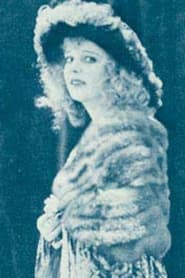
Madge Kirby
Actor
Born: March 30, 1889 in New York City, New York, USA Died: September 1, 1956 Active: 1912-1920
Films
7 films

About Madge Kirby
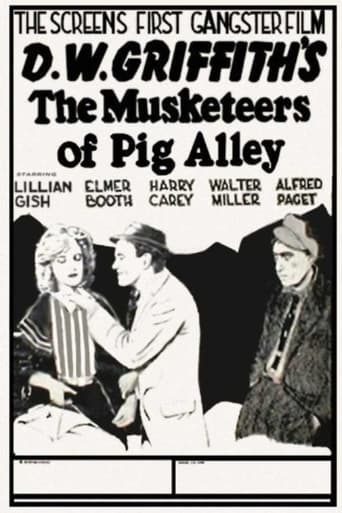
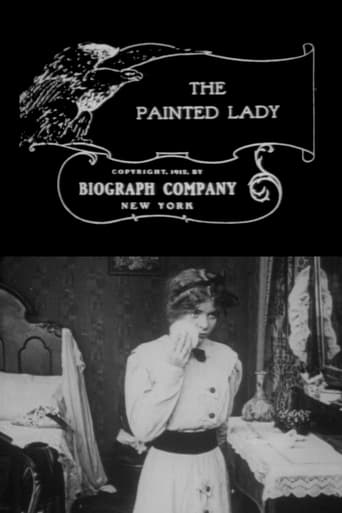
American actress who flourished during the silent film era, making her debut in 1912 with some of the most significant films of early cinema. She began her career working with director D.W. Griffith at the Biograph Studio, appearing in landmark films such as 'The Musketeers of Pig Alley' (1912), which is often cited as one of the first gangster films, and 'The Painted Lady' (1912) starring Blanche Sweet. Throughout her career, Kirby demonstrated versatility by appearing in various genres from dramatic shorts to comedies, working with studios like Biograph, Keystone, and Hal Roach Studios. Her filmography includes over 50 credited appearances during her eight-year career, though like many silent era performers, she struggled with the transition to sound films. By 1920, her film career had concluded, reflecting the common pattern of many silent era actors whose careers ended with the advent of sound. Despite her relatively brief career, Kirby contributed to some of the most formative years of American cinema.
The Craft
On Screen
Madge Kirby's acting style was typical of the silent era, characterized by exaggerated gestures and facial expressions necessary to convey emotion without dialogue. She demonstrated particular skill in both dramatic and comic roles, showing versatility that made her valuable to directors. Her performances in Griffith's dramatic shorts displayed a naturalistic approach for the period, while her later comedy work at Keystone Studios required the broader physical comedy style popularized by Mack Sennett.
Milestones
- Debut in D.W. Griffith's 'The Musketeers of Pig Alley' (1912)
- Appeared in 'The Painted Lady' (1912) directed by D.W. Griffith
- Worked with Mack Sennett at Keystone Studios
- Transitioned to comedy films in the late 1910s
- Appeared in over 50 films during her eight-year career
Best Known For
Iconic Roles
Must-See Films
Working Relationships
Worked Often With
Studios
Why They Matter
Impact on Culture
Madge Kirby's contribution to early cinema represents the important work of supporting actors who helped establish the language of film during its nascent years. Her appearances in Griffith's shorts place her among the actors who participated in the development of narrative cinema and film techniques that would become standard. While not a major star, her work in both dramatic and comedic genres exemplifies the versatility required of early film actors who had to adapt to rapidly changing industry demands and evolving cinematic styles.
Lasting Legacy
Madge Kirby's legacy lies primarily in her contribution to the foundation of American cinema through her work in some of the most historically significant films of the early 1910s. Her appearances in Griffith's Biograph shorts ensure her place in film history, as these films are studied by cinema scholars and historians for their technical and narrative innovations. Like many silent era performers, her story illustrates the transient nature of early film stardom and the challenges faced by actors during the transition from silent to sound films.
Who They Inspired
As a supporting actress in formative films, Madge Kirby's influence was primarily through her contribution to the development of film acting techniques during the silent era. Her work with D.W. Griffith placed her at the forefront of cinematic innovation, where she helped establish conventions of screen performance that would influence generations of actors. While she did not mentor other performers directly, her body of work serves as an example of early film acting for students of cinema history.
Off Screen
Madge Kirby was born in New York City in 1889 and entered the film industry during its formative years. Like many early film actors, she came from a theatrical background and was drawn to the new medium of motion pictures. After retiring from films in 1920, she largely disappeared from public life, reflecting the common pattern of silent era actors who did not transition to sound films. She spent her later years away from the entertainment industry.
Did You Know?
- Appeared in 'The Musketeers of Pig Alley,' often cited as the first gangster film
- Worked with D.W. Griffith during his most innovative period at Biograph
- Her active years covered the transition from short films to feature-length productions
- Like many silent era actors, she did not successfully transition to sound films
- Worked at both dramatic (Biograph) and comedy (Keystone) studios
- Her filmography includes over 50 films in just eight years
- Retired from films before the age of 31
- Appeared in films with early cinema legends like Lillian Gish and Blanche Sweet
- Participated in the development of early film comedy at Keystone Studios
- Her career ended as the studio system was solidifying in Hollywood
Frequently Asked Questions
Who was Madge Kirby?
American silent film actress active from 1912 to 1920, best known for her work in early D.W. Griffith films and later comedies at Keystone Studios. She appeared in over 50 films during her career, including historically significant works like 'The Musketeers of Pig Alley' (1912).
What films is Madge Kirby best known for?
Titles linked here include The Musketeers of Pig Alley (1912), The Painted Lady (1912).
When was Madge Kirby born and when did she die?
Born March 30, 1889; died September 1, 1956.
What awards did Madge Kirby win?
Madge Kirby did not receive any major awards during her career, which was common for supporting actors in the silent film era. The Academy Awards were not established until 1929, after her film career had already ended.
What was Madge Kirby's acting style?
Madge Kirby's acting style was characteristic of the silent era, featuring expressive gestures and facial techniques necessary for non-verbal storytelling. She demonstrated versatility in both dramatic roles for Griffith and physical comedy at Keystone Studios.
Why did Madge Kirby's career end in 1920?
Madge Kirby's career ended in 1920, likely due to the challenges many silent era actors faced with the coming of sound films. Like many performers of her generation, she did not successfully transition to the new requirements of talking pictures and retired from the industry.
Did Madge Kirby work with any famous directors?
Yes, Madge Kirby worked with D.W. Griffith,. She appeared in several of his Biograph shorts during his most innovative period, before later working with comedy pioneer Mack Sennett at Keystone Studios.