The Telephone Girl and the Lady
"Switchboard girl, stolen gems"
Keys: Space play/pause · ←/→ 10s · F fullscreen · M mute · </> speed
About this film
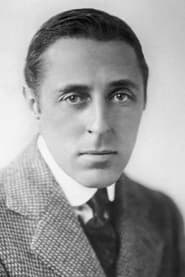
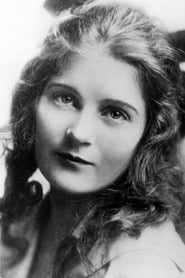
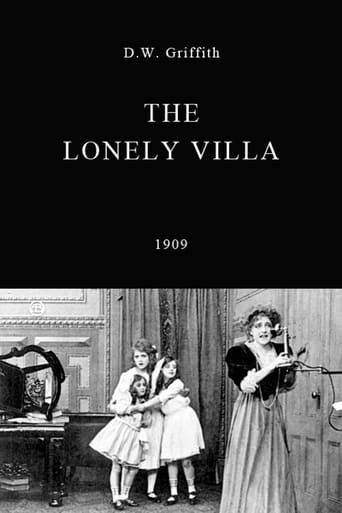
D.W. Griffith intercuts a telephone operator's lunch break with a society woman collecting jewels until the two storylines collide in robbery and rescue. Blanche Sweet stars in this 1913 Biograph suspense short.
Cast & crew
More films like this
More Drama films
View all →







More from D.W. Griffith
View all →
More about this film
About the production
Release dateMarch 10, 1913
Box officeBox office records not maintained for short films of this era
ProductionBiograph Company
Filmed inBiograph Studio, New York City, Los Angeles, California
was one of Biograph's regular one-reel productions, filmed in just a few days. Griffith was experimenting with parallel editing techniques that would become his signature style. The film presents the early development of cross-cutting between simultaneous actions, a technique that would revolutionize cinematic storytelling.
Themes
Class differencesTechnology and modernityHeroism in ordinary peopleWomen's changing rolesCrime and justice
Themes & topics
Historical background
The Telephone Girl and the Lady demonstrates Griffith's parallel editing before The Birth of a Nation, linking working-class and elite women's plots.
Why this film matters
represents an important step in the development of parallel editing in American cinema, a technique that would become fundamental to film language. Griffith's use of cross-cutting between the telephone girl and the lady creates suspense and dramatic irony, showing how ordinary people could become heroes. The film also reflects the changing role of women in early 20th century America, contrasting the working-class telephone operator with the wealthy lady while ultimately showing both as vulnerable to crime. The telephone itself symbolizes modern technology connecting different social classes and enabling dramatic intervention. As one of hundreds of shorts Griffith directed during his Biograph period, contributed to his development as a filmmaker and helped establish narrative techniques that would influence generations of directors.
Making of
D.W. Griffith was rapidly developing his cinematic language during this period at Biograph, where he directed hundreds of short films between 1908 and 1913. 'The Telephone Girl and the Lady' presents his growing confidence with parallel editing, a technique he was early to create suspense and dramatic irony. The film was likely shot in just two to three days, as was standard for Biograph productions. Mae Marsh, who had been working with Griffith since 1911, was becoming one of his most reliable actresses, known for her expressive performances that could convey complex emotions without dialogue. The production would have used natural lighting and minimal sets, typical of the economical Biograph approach. Griffith's attention to detail extended to authentic telephone switchboard equipment and realistic jewelry store settings, helping ground the dramatic story in contemporary reality.
What critics said
Film textbooks cite the cross-cutting structure; Sweet's performance is noted among her Biograph work.
Did you know?
- demonstrates D.W. Griffith's early mastery of parallel editing, cutting between two separate storylines that eventually converge.
- Mae Marsh, who plays the telephone girl, became one of Griffith's favorite actresses and would later star in his major epics like 'The Birth of a Nation' and 'Intolerance'.
- The film was released during a period when telephone operators were becoming increasingly common in American cities, making the profession relatable to contemporary audiences.
- Harry Carey appears without on-screen billing in, before he became a major Western star.
- The Biograph Company released approximately one short film per week during this period, requiring rapid production schedules.
- is part of Griffith's series of 'social problem' films that highlighted class differences in American society.
- The jewelry robbery theme was a popular subject in early cinema, allowing for dramatic tension and clear moral narratives.
- The film's title emphasizes the contrast between working-class and upper-class women, a theme Griffith frequently explored.
- Only one reel of survives, which is typical for Biograph productions of this era.
- The telephone switchboard scenes were filmed using actual working equipment from the period.
Visual style
The cinematography by G.W. Bitzer, Griffith's regular cameraman, employs the relatively static camera positions typical of the period but with growing sophistication in composition and lighting. The film uses medium shots to capture the actors' performances, which was innovative for the time. The telephone switchboard scenes feature careful framing to show both the operator and her equipment, establishing the workplace setting. The lighting follows Biograph's practice of using natural light when possible, creating a realistic visual style. The cross-cutting between locations creates visual rhythm and builds suspense, demonstrating Griffith's understanding of how editing could create dramatic effects beyond what could be achieved in a single continuous shot.
Innovations
The film's primary technical achievement is its sophisticated use of parallel editing, which was still an emerging technique in 1913. Griffith's cross-cutting between the telephone operator and the lady creates dramatic tension and narrative complexity beyond what was typical in short films of this period. The film also demonstrates early use of the telephone as a narrative device, showing how new technology could drive cinematic storytelling. The production values, while modest, show the growing professionalism of the American film industry, with careful attention to authentic props and settings. The film's pacing and editing rhythm represent significant advances in cinematic language compared to films from just a few years earlier.
Music
As a silent film, 'The Telephone Girl and the Lady' would have been accompanied by live musical performance during theatrical exhibition. Theaters typically employed pianists or small ensembles to provide appropriate background music. The score would have included dramatic music for the robbery scenes, romantic themes for character moments, and suspenseful music during the telephone calls. Specific musical cues were not standardized in 1913, so each theater's musician would select appropriate pieces from their repertoire. The telephone's ringing would have been indicated musically or through sound effects created by the theater's staff.
Famous quotes
As a silent film, dialogue was conveyed through intertitles and pantomime rather than spoken quotes
Memorable scenes
- The cross-cutting sequence between the telephone operator at her switchboard and the lady confronting the robber, building tension as the operator attempts to call for help; The final resolution where the telephone girl's quick thinking leads to the robber's capture and the lady's rescue
What audiences thought
Audiences in 1913 responded positively to Griffith's Biograph shorts, which were known for their clear storytelling and emotional impact. The telephone operator would have been a relatable figure for contemporary viewers, as many women were entering the workforce in similar positions. The robbery and rescue elements provided the kind of dramatic tension that appealed to early cinema audiences. While specific audience reactions to this particular film are not documented, Griffith's Biograph productions were generally popular and helped establish him as respected directors in the early film industry.
Film connections
Influenced by
- Earlier Biograph shorts by Griffith
- Contemporary stage melodramas
- French film serials
- Edison Company productions
This film influenced
- The Birth of a Nation (1915)
- Intolerance (1916)
- Other Griffith films featuring parallel editing
- Later suspense films using cross-cutting
Film restoration
The film survives in the Library of Congress collection and has been preserved on 16mm film. A 35mm restoration exists in the Museum of Modern Art's film archive. The preservation status is considered good for a film of this vintage, though some deterioration is evident in available copies.
Where to watch
- The film is available on various DVD collections of D.W. Griffith's Biograph shorts
- Some public domain versions may be found on internet archive sites
- Museum screenings occasionally feature as part of Griffith retrospectives
- The Library of Congress maintains viewing copies for research purposes