
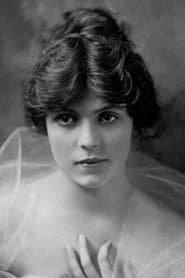
Gertrude Bambrick
Actor
Born: August 24, 1897 in New York City, New York, United States Died: January 8, 1974 Active: 1913-1914
Films
3 films
About Gertrude Bambrick
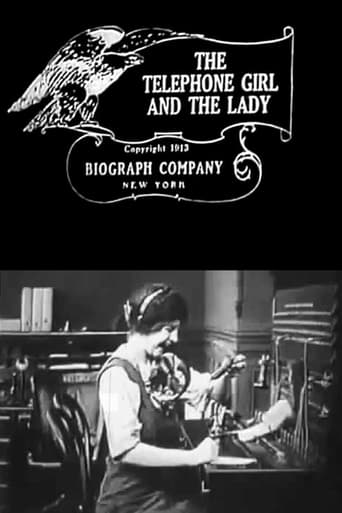
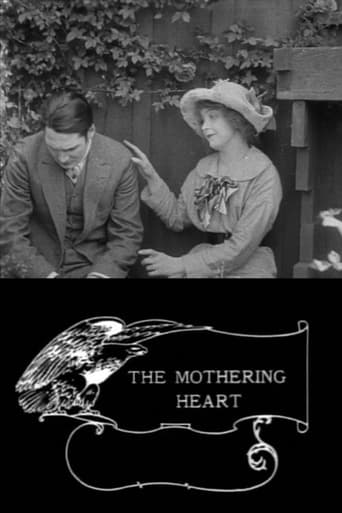
American silent film actress who had a brief but notable career during the years of cinema. She began her acting career in 1913 with the Biograph Company, working under the director D.W. Griffith, who was instrumental in shaping early American cinema. Bambrick appeared in several significant Griffith productions, including 'The Telephone Girl and the Lady' (1913) and 'The Mothering Heart' (1913), which showcased her ability to convey emotion in the new medium of film. Her most prominent role came in 1914 with 'Judith of Bethulia,' Griffith's ambitious feature-length film that was one of the earliest American feature films. Bambrick's career was remarkably short, spanning only from 1913 to 1914, during which she appeared in approximately a dozen films before retiring from the industry. Like many early film actors, she transitioned out of cinema as the industry evolved, leaving behind a small but significant body of work that represents the nascent stages of American narrative filmmaking. Her performances, preserved in these early Griffith films, offer valuable insight into the acting techniques and storytelling methods of the silent era's formative years.
The Craft
On Screen
Gertrude Bambrick's acting style was characteristic of the early silent era, emphasizing exaggerated gestures and facial expressions to convey emotion without dialogue. Her performances in Griffith's films demonstrated the transitional acting techniques of the period, moving away from theatrical stage acting toward more naturalistic screen performances. Bambrick possessed the ability to communicate complex emotions through subtle facial movements and body language, which was essential in the medium of silent film.
Milestones
- Debut in D.W. Griffith's 'The Telephone Girl and the Lady' (1913)
- Featured role in 'The Mothering Heart' (1913)
- Appeared in Griffith's landmark feature 'Judith of Bethulia' (1914)
- Part of the Biograph Company acting troupe under D.W. Griffith
- Worked during the transitional period from short films to feature-length cinema
Best Known For
Iconic Roles
Must-See Films
Working Relationships
Worked Often With
Studios
Why They Matter
Impact on Culture
Gertrude Bambrick's cultural impact lies primarily in her contribution to the early development of American narrative cinema during its formative years. Her work with D.W. Griffith placed her at the forefront of cinematic innovation, participating in films that were new techniques in storytelling, editing, and visual composition. Though her career was brief, her performances in these early films helped establish the foundation for screen acting that would evolve throughout the silent era. Bambrick represents the generation of actors who transitioned from stage to screen, helping to define the unique requirements and possibilities of film acting.
Lasting Legacy
Gertrude Bambrick's legacy is preserved through her appearances in several historically significant D.W. Griffith films that survive as important artifacts of early American cinema. While she is not widely remembered today, her work contributes to our understanding of the evolution of film acting and the development of narrative cinema. Her brief career exemplifies the transient nature of early film stardom, when many actors appeared in only a handful of films before moving on to other pursuits. The preservation of her films ensures that her contributions to early cinema remain accessible to film historians and enthusiasts studying the origins of American film.
Who They Inspired
Due to her very brief career, Gertrude Bambrick's direct influence on subsequent generations of actors was limited. However, as part of D.W. Griffith's acting company, she contributed to the development of screen acting techniques that would influence future performers. Her work helped establish precedents for naturalistic acting in film, moving away from the exaggerated theatrical style that dominated early cinema. The films she appeared in, particularly 'Judith of Bethulia,' influenced countless filmmakers and actors who studied Griffith's work.
Off Screen
Gertrude Bambrick married Harry M. Warner, one of the founders of Warner Bros. Studio, in 1916, which marked her complete departure from the film industry. The marriage connected her to one of Hollywood's most influential families, though she chose not to pursue her acting career further after marriage. She and Warner had one child together before divorcing in 1933. Following her divorce, Bambrick largely remained out of the public eye, focusing on her personal life away from the entertainment industry. She lived a relatively private life until her death in 1974 at the age of 76.
Family
- Harry M. Warner (1916-1933)
Did You Know?
- Her career lasted only two years, from 1913 to 1914
- She married Harry M. Warner, co-founder of Warner Bros. Studio, in 1916
- Her son, Jack M. Warner, was named after his uncle Jack Warner
- She appeared in one of the first American feature films, 'Judith of Bethulia'
- Her films were all produced by the Biograph Company before Griffith left to form his own studio
- She retired from acting completely after her marriage to Harry Warner
- Her films survive as important examples of early American cinema
- She worked alongside other early film pioneers like Lillian Gish and Mae Marsh
- Her career coincided with the transition from short films to feature-length movies
- She was part of what Griffith called his 'stock company' of regular actors
Frequently Asked Questions
Who was Gertrude Bambrick?
American silent film actress who had a brief career from 1913 to 1914, appearing primarily in D.W. Griffith films for the Biograph Company. She is best known for her roles in early Griffith productions including 'Judith of Bethulia,' one of the first American feature films.
What films is Gertrude Bambrick best known for?
Titles linked here include The Telephone Girl and the Lady (1913), The Mothering Heart (1913).
When was Gertrude Bambrick born and when did she die?
Born August 24, 1897; died January 8, 1974.
What awards did Gertrude Bambrick win?
Gertrude Bambrick did not receive any major awards or nominations during her brief acting career. The Academy Awards were not established until 1929, well after she had retired from acting, and formal recognition for film actors was limited during the early 1910s.
What was Gertrude Bambrick's acting style?
Gertrude Bambrick's acting style was typical of the early silent era, emphasizing expressive facial gestures and body language to convey emotion without dialogue. Her performances showed the transitional period from theatrical acting to more naturalistic screen acting techniques that would later become standard in cinema.
Why did Gertrude Bambrick's career end so quickly?
Gertrude Bambrick's acting career ended in 1914 when she married Harry M. Warner, one of the founders of Warner Bros. Studio. It was common for actresses of that era to retire from performing after marriage, and her connection to the Warner family led her away from her brief acting career.
How is Gertrude Bambrick connected to Warner Bros.?
Gertrude Bambrick married Harry M. Warner in 1916, making her part of the Warner family that founded and operated Warner Bros. Studio. This marriage connected her to one of Hollywood's most influential studio families, though she chose not to participate in the film industry after her marriage.