Films
4 films
About Joseph McDermott
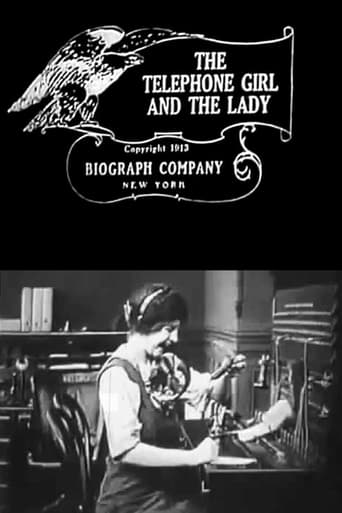
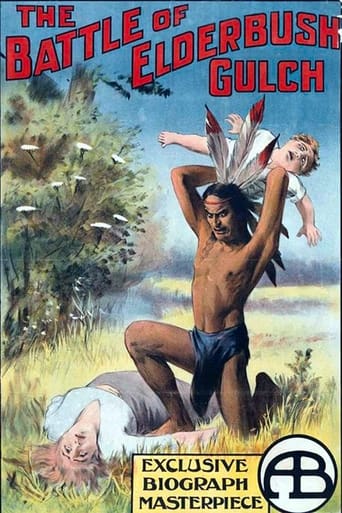
Silent film actor who worked briefly during the years of American cinema. He was primarily associated with Biograph Studios, early film production companies, where he worked under the direction of D.W. Griffith. McDermott appeared in several significant early shorts during 1912-1913, including 'The Inner Circle' (1912), 'The Telephone Girl and the Lady' (1913), and the notable 'The Battle at Elderbush Gulch' (1913). His career was remarkably brief, spanning only about two years during a crucial period when American cinema was transitioning from simple one-reelers to more sophisticated storytelling. Like many actors of this era, McDermott was part of the stock company system where actors played various roles across multiple productions. His work, though limited in scope, contributed to the development of early American narrative cinema during its formative years at Biograph.
The Craft
On Screen
As an actor in the early 1910s, McDermott would have employed the exaggerated gestures and theatrical style common to silent film acting before the development of more naturalistic techniques. His performances would have emphasized clear physical expressions and broad movements to convey emotion effectively to early cinema audiences.
Milestones
- Actor at Biograph Studios under D.W. Griffith
- Appeared in 'The Battle at Elderbush Gulch' (1913)
- Part of American cinema movement
- Worked during the transition period of early narrative films
Best Known For
Iconic Roles
Must-See Films
Working Relationships
Worked Often With
Studios
Why They Matter
Impact on Culture
Joseph McDermott, though his career was brief, was part of the foundational period of American cinema. As an actor at Biograph Studios during 1912-1913, he contributed to the development of narrative film techniques that would become standard in the industry. His work in films like 'The Battle at Elderbush Gulch' helped establish the language of cinema during its formative years, when directors like D.W. Griffith were experimenting with cross-cutting, close-ups, and more complex storytelling methods that would influence generations of filmmakers.
Lasting Legacy
McDermott's legacy lies primarily in his contribution to the early Biograph shorts that helped establish American cinema as an art form. While he never achieved star status, his work represents the collective effort of countless actors who helped build the film industry from its infancy. The films he appeared in are now studied as important examples of early American cinema, preserving his small but meaningful place in film history.
Who They Inspired
As an early Biograph actor, McDermott was part of the training ground for many future stars and directors who would shape Hollywood. The techniques and experiences gained during this brief period influenced the development of acting styles in silent cinema, though his direct influence on other performers is not well documented due to the limited scope of his career.
Off Screen
Very little is documented about Joseph McDermott's personal life, which was common for many early film actors who worked in the industry before the star system was fully established. Like many actors of his era, he likely came from a theatrical background before transitioning to the new medium of film.
Did You Know?
- McDermott worked exclusively at Biograph Studios during his brief career
- He appeared in films during the same period that future stars like Mary Pickford and Lionel Barrymore were also developing their careers at Biograph
- The Battle at Elderbush Gulch (1913) is now considered
- Biograph actors of this era were often paid weekly salaries rather than per film
- Many Biograph actors from this period later became major stars in Hollywood's golden age
- McDermott's active years covered the period when American cinema was transitioning from actualities to narrative films
- D.W. Griffith's Biograph company was considered the most prestigious film studio in America during 1912-1913
Frequently Asked Questions
Who was Joseph McDermott?
Silent film with credits in this catalog.W. Griffith during the era of cinema.
What films is Joseph McDermott best known for?
Titles linked here include The Battle at Elderbush Gulch (1913), The Telephone Girl and the Lady (1913).
When was Joseph McDermott born and when did he die?
Unfortunately, specific birth and death dates for Joseph McDermott are not well documented, which was common for many actors who worked in the very early years of cinema before comprehensive record-keeping was established.
What awards did Joseph McDermott win?
Joseph McDermott did not receive any formal awards or recognition during his brief career, as the major award systems like the Academy Awards were not established until many years after his active period in film.
What was Joseph McDermott's acting style?
McDermott would have employed the theatrical, exaggerated acting style typical of early silent films, using broad gestures and clear physical expressions to convey emotions to audiences in the pre-sound era.
Did Joseph McDermott work with any famous directors?
Yes, McDermott worked under D.W. Griffith at Biograph Studios, who would become.
Why was Joseph McDermott's career so short?
McDermott's brief career spanning only 1912-1913 was not uncommon for early film actors, as many either left the industry, transitioned back to theater, or were replaced as the film industry rapidly evolved and professionalized.