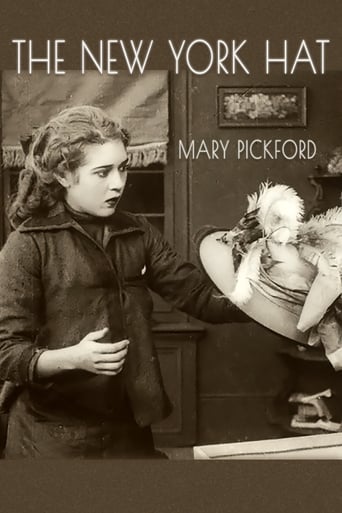
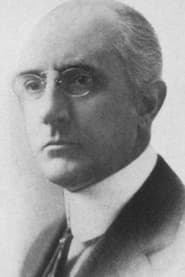
Charles Hill Mailes
Actor
Born: May 15, 1870 in Halifax, Nova Scotia, Canada Died: February 17, 1926 Active: 1911-1926
Films
29 films
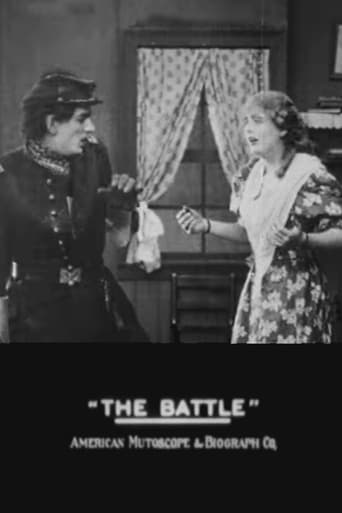
The Battle
1911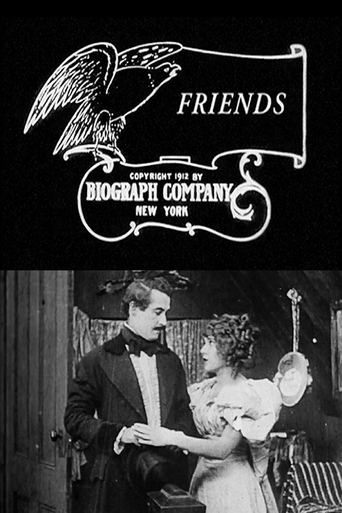
Friends
1912
The Telephone Girl and the Lady
1913
The Battle at Elderbush Gulch
1913
For His Son
1912
The Painted Lady
1912
The Eternal Mother
1912
Iola's Promise
1912
The Miser's Heart
1911
The Wanderer
1913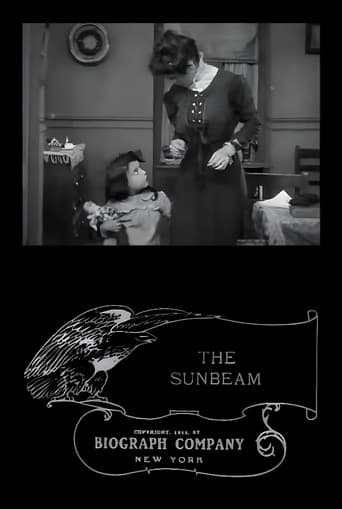
The Sunbeam
1912
The Lighthouse by the Sea
1924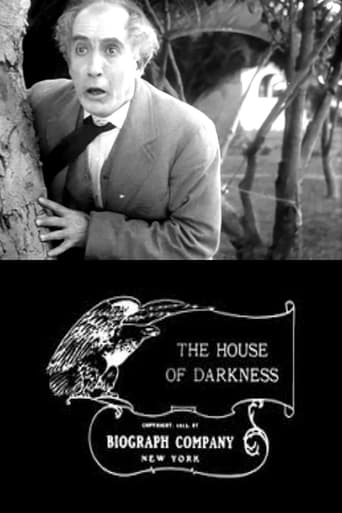
The House of Darkness
1913
The Yaqui Cur
1913
The Inner Circle
1912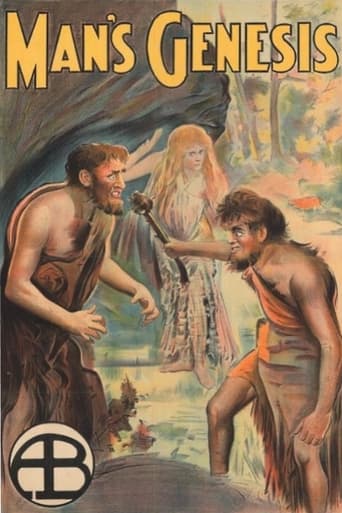
Man's Genesis
1912
The Narrow Road
1912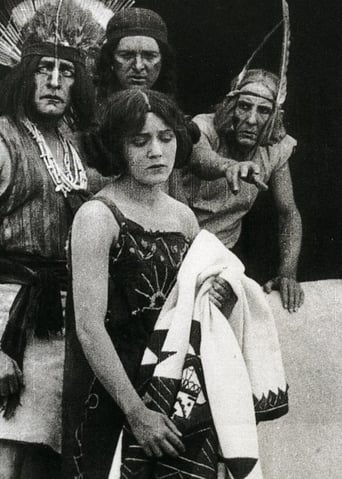
A Pueblo Legend
1912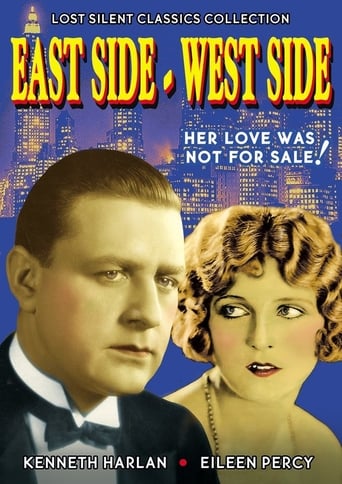
East Side - West Side
1923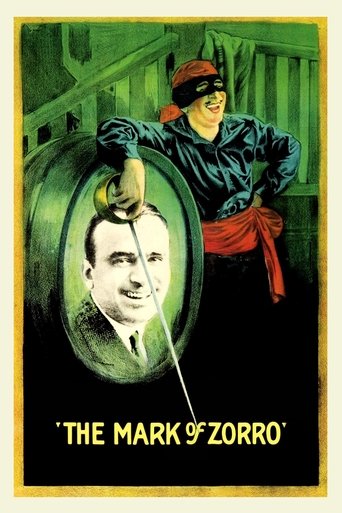
The Mark of Zorro
1920
Old Ironsides
1926
The Goddess of Sagebrush Gulch
1912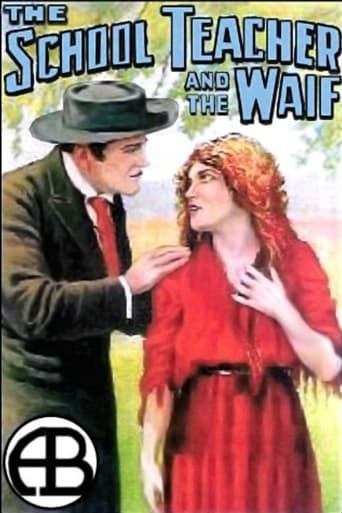
The School Teacher and the Waif
1912
The Baby and the Stork
1911
Under Burning Skies
1912
The Old Actor
1912
The Speed Demon
1912
The Lesser Evil
1912About Charles Hill Mailes
Canadian-born character actor who became prolific supporting players of the American silent film era. Beginning his career in the early 1910s, Mailes quickly established himself as a reliable presence in the burgeoning film industry, particularly in the productions of the Biograph Company. He worked extensively with director D.W. Griffith, appearing in numerous landmark films that helped define early cinema. Mailes specialized in portraying authority figures such as judges, fathers, clergymen, and businessmen, bringing a presence to even the smallest roles. Throughout his career, he appeared in over 300 films, making him recognizable character faces of the silent era. His frequent collaborations with his wife, actress Claire McDowell, created memorable on-screen partnerships in many productions. Mailes continued working steadily through the 1920s until his death in 1926, leaving behind an impressive body of work that exemplifies the craftsmanship of early character actors.
The Craft
On Screen
Mailes was known for his naturalistic yet authoritative screen presence, specializing in portraying respectable middle-aged and elderly characters with dignity and gravitas. His acting style was typical of the transitional period between theatrical and cinematic techniques, employing subtle gestures and facial expressions rather than the exaggerated melodramatic style common in early silent films. He had a particular talent for conveying complex emotions through minimal movement, making him particularly effective in the intimate close-ups favored by directors like Griffith.
Milestones
- Joined Biograph Company in 1911
- Became regular collaborator with D.W. Griffith
- Appeared in over 300 films during his career
- Starred in landmark film The Birth of a Nation (1915)
- Frequent screen partnership with wife Claire McDowell
- Transitioned from shorts to feature films successfully
- Established himself as a reliable character actor in Hollywood
Best Known For
Iconic Roles
Must-See Films
Accolades
Special Recognition
- Prolific character actors of the silent era with over 300 film appearances
Working Relationships
Worked Often With
Studios
Why They Matter
Impact on Culture
Charles Hill Mailes represents the archetype of the reliable character actor who helped build the foundation of Hollywood cinema during its formative years. His extensive filmography provides a valuable record of the evolution of American silent film, from one-reel shorts to epic features. As a regular collaborator with D.W. Griffith, Mailes contributed to some of the most influential and controversial films in cinema history, including The Birth of a Nation and Intolerance. His work helped establish the importance of supporting characters in creating believable cinematic worlds, influencing how character actors would be utilized throughout film history.
Lasting Legacy
Mailes's legacy lies in his remarkable productivity and consistency during the silent era, with over 300 film appearances that showcase the range and depth of character acting in early cinema. His frequent collaborations with directors and actors make him an important figure for film historians studying the development of Hollywood studio system practices. The fact that he worked steadily from the early days of one-reel shorts through the emergence of feature films demonstrates his adaptability and professional longevity. His marriage to and frequent on-screen partnership with Claire McDowell also serves as an early example of Hollywood power couples working together.
Who They Inspired
While primarily a character actor rather than a star, Mailes influenced subsequent generations of supporting players through his professionalism and versatility. His ability to portray a wide range of authority figures with authenticity helped establish template performances for judges, fathers, and clergymen in American cinema. His work with D.W. Griffith contributed to the development of more naturalistic acting styles that would become standard in Hollywood. His successful career demonstrated the viability and importance of character actors in the emerging studio system, paving the way for future generations of supporting performers.
Off Screen
Charles Hill Mailes married fellow actress Claire McDowell in 1908, and their professional and personal partnership became. The couple frequently appeared together in films, creating believable on-screen chemistry that audiences loved. They had two children together, including Robert Mailes who followed in his parents' footsteps to become an actor. The family resided in Los Angeles during Mailes's most productive years in Hollywood. His sudden death in 1926 at age 55 cut short a remarkable career that had spanned the formative years of American cinema.
Family
- Claire McDowell (1908-1926)
Did You Know?
- Appeared in over 300 films during his 15-year career
- Was married to actress Claire McDowell, who often played his wife on screen
- Born in Canada but became a naturalized American citizen
- Worked extensively with D.W. Griffith at Biograph Studios
- Often played characters much older than his actual age
- Was part of Griffith's stock company of regular actors
- Appeared in both parts of Griffith's Intolerance (1916)
- His son Robert also became a Hollywood actor
- Died suddenly in Los Angeles at age 55
- Was
- Transitioned successfully from short films to feature films
- Often worked alongside his wife in multiple films per year
In Their Own Words
As a character actor, my job is to make the stars shine brighter while creating believable worlds around them.
Frequently Asked Questions
Who was Charles Hill Mailes?
Screen credits include over 300 films during the silent era. He was best known for his work with D.W. Griffith and his frequent portrayals of authority figures such as judges, fathers, and clergymen. He was married to actress Claire McDowell, with whom he often appeared on screen.
What films is Charles Hill Mailes best known for?
Titles linked here include The Birth of a Nation (1915), Intolerance (1916).
When was Charles Hill Mailes born and when did he die?
Born May 15, 1870; died February 17, 1926.
What awards did Charles Hill Mailes win?
During the silent era when Charles Hill Mailes was active, formal acting awards were not yet established. The Academy Awards were not created until 1929, three years after his death. His recognition came in the form of his prolific career and consistent employment by major studios and directors like D.W. Griffith.
What was Charles Hill Mailes's acting style?
Mailes was known for his naturalistic yet authoritative screen presence, specializing in portraying respectable middle-aged and elderly characters. His style was less theatrical than many early silent film actors, employing subtle gestures and expressions. He excelled at conveying complex emotions through minimal movement, making him particularly effective in the intimate close-ups favored by directors like Griffith.
Did Charles Hill Mailes work with his family?
Yes, Mailes frequently worked with his wife Claire McDowell, and they often played married couples on screen. Their professional and personal partnership was. His son Robert Mailes also became an actor, following in his parents' footsteps.
How many films did Charles Hill Mailes appear in?
Charles Hill Mailes appeared in over 300 films during his 15-year career from 1911 to 1926. This remarkable productivity made him.