

The Yaqui Cur
"Peace broken by drums"
Keys: Space play/pause · ←/→ 10s · F fullscreen · M mute · </> speed
About this film
Yaqui boy trained in peace breaks doctrine when battle terror overwhelms his tribe's defense. The prospector had taught the Indian boy the doctrine of peace. When his tribe resisted the attack of another tribe the boy did not take part. The din of the battle, as the horsemen circled them again and again, the moans of men caught under falling horses struck terror in the bo.
Cast & crew
More films like this
More Western films
View all →

More from D.W. Griffith
View all →
More about this film
About the production
Release dateMarch 3, 1913
ProductionBiograph Company
Filmed inCalifornia, Likely filmed at Biograph's studio or on location in the Los Angeles area
This was one of hundreds of short films D.W. Griffith directed for the Biograph Company during his prolific period there from 1908-1913. The film was typical of Griffith's output during this era - a one-reel short running approximately 10-15 minutes, filmed quickly and released as part of Biograph's regular weekly schedule. Griffith was known for his rapid production pace, often completing multiple films in a single week.
Themes
Themes & topics
Historical background
1913 placed The Yaqui Cur within United States cinema as Biograph Company navigated wartime markets, immigration audiences, and the shift from intertitles to sound.
Why this film matters
Archivists revisit The Yaqui Cur (1913) for D.W. Griffith style, genre norms at Biograph Company, and the exhibition context of Approximately 10-12 minutes programming.
Making of
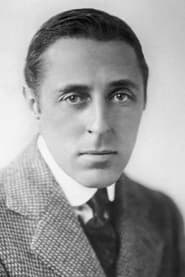
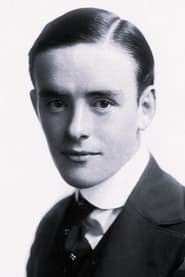
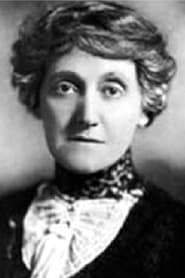
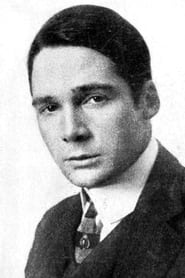
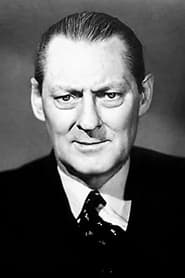
The production of 'The Yaqui Cur' was typical of D.W. Griffith's Biograph period - fast, efficient, and economical. Griffith was known for his ability to complete multiple films in a week, and this short would have been filmed quickly, likely over 1-2 days. Robert Harron, who plays the young Indian boy, was one of Griffith's favorite actors and had appeared in numerous Biograph shorts by this time. Kate Bruce, another Griffith regular, often played maternal or nurturing roles in his films. The film was shot during a period when Griffith was rapidly developing his cinematic techniques, including cross-cutting, close-ups, and more sophisticated narrative structures. The outdoor scenes would have been filmed on location near the Biograph studio in California, taking advantage of the natural light and landscape. The battle sequences would have been choreographed quickly but effectively, using a small group of extras on horseback to create the illusion of a larger conflict.
What critics said
Retrospective writing on The Yaqui Cur stresses craft by D.W. Griffith, print survival, and repertory value rather than opening-week gross alone.
Did you know?
- This film is one of over 450 short films D.W. Griffith directed before moving to feature films with 'The Birth of a Nation' in 1915
- The title 'Yaqui Cur' refers to the Yaqui people, an indigenous group from northwestern Mexico, though the film was likely not filmed with actual Yaqui actors
- Robert Harron, who plays the Indian boy, was one of Griffith's most frequently used actors, appearing in dozens of Biograph shorts
- The film represents Griffith's early exploration of themes he would later expand upon in his major works, including sacrifice and redemption
- Like many Biograph shorts of this period, the film was likely shot in just one or two days
- The film's intertitles would have been crucial in conveying the moral lesson about Christian pacifism
- This was released during Griffith's most prolific period at Biograph, when he was essentially inventing the language of cinematic narrative
- The film's portrayal of Native Americans reflects the stereotypical and often paternalistic attitudes common in early 20th century American cinema
Visual style
The cinematography of 'The Yaqui Cur' would have been typical of Biograph productions of 1913, using natural lighting for outdoor scenes and basic studio lighting for interiors. The camera work would have been relatively static by modern standards, with the camera positioned to capture the full action in long shots. However, Griffith was already beginning to experiment with closer shots to emphasize emotional moments. The battle sequences would have used wide shots to show the scale of the conflict, while the emotional climax would have moved closer to capture the actors' expressions. The film would have been shot on 35mm black and white film stock, with the visual storytelling relying entirely on composition, movement, and the actors' performances.
Innovations
While 'The Yaqui Cur' was not a groundbreaking technical achievement even for its time, it represents the solid craftsmanship typical of Griffith's Biograph period. The film would have used the standard 35mm format and projection speed of the era. Griffith was already developing his signature techniques of cross-cutting to build tension and parallel action, which would have been employed in the battle sequences. The use of location shooting for outdoor scenes was becoming more common in 1913, and Griffith was among the directors who helped establish this practice. The film's narrative structure, while simple, shows Griffith's growing sophistication in telling complete stories within the constraints of a one-reel format.
Music
As a silent film, 'The Yaqui Cur' would have been accompanied by live music during its theatrical run. The specific musical score is unknown, but it would have likely consisted of popular songs of the period, classical pieces, and improvised piano music. The theater organist or pianist would have created music to match the mood of each scene - exciting, dramatic music for the battle sequences, and solemn, emotional music for the sacrifice scene. The film's intertitles would have been accompanied by appropriate musical cues to emphasize their importance. The music would have been crucial in conveying the emotional and moral weight of the story to the audience.
Famous quotes
Big love man lay down life for friend
Memorable scenes
- The climactic sacrifice scene where the Yaqui boy proves his courage by laying down his life for his friend, demonstrating the ultimate expression of the Christian doctrine of peace he learned from the prospector
What audiences thought
Audience reception in 1913 would have been positive, as Biograph shorts were popular entertainment at nickelodeons and small theaters across America. The film's moral lesson and emotional climax would have appealed to contemporary audiences who expected clear moral messages in their entertainment. The spectacle of the battle scenes and the emotional sacrifice of the protagonist would have provided the dramatic elements that audiences of the period enjoyed. As with most Biograph shorts, it would have been shown as part of a varied program of shorts, comedies, and newsreels rather than as a standalone attraction.
Film connections
Influenced by
- Biblical stories of sacrifice
- Contemporary missionary literature
- Popular dime novels about the West
- Stage melodramas
- Earlier Biograph shorts
This film influenced
- Later Griffith films dealing with sacrifice and redemption
- Subsequent Western shorts with moral lessons
- Films exploring cultural conflict and assimilation
Film restoration
The preservation status of 'The Yaqui Cur' is uncertain. Many Biograph films from this period have been lost due to the unstable nature of early film stock and the fact that shorts were often not considered worth preserving. However, the Library of Congress and other archives have extensive collections of Griffith's Biograph work, so it's possible that a copy exists in their collections. If preserved, it would likely be in 35mm format, possibly as a paper print from the Library of Congress copyright collection.
Where to watch
- Due to its age and obscurity, 'The Yaqui Cur' is not readily available on modern streaming platforms or home video. If it has been preserved, it might be accessible through specialized film archives, the Library of Congress, or academic film collections. Some Griffith Biograph shorts have been included in DVD collections of early cinema, but this particular film is not among the more commonly available titles. Film historians and researchers might be able to access it through the Museum of Modern Art's film archive or the UCLA Film & Television Archive.