
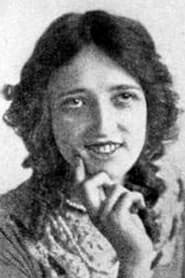
Victoria Forde
Actor
Born: April 20, 1896 in New York City, New York, USA Died: July 25, 1964 Active: 1910-1920
Films
2 films
About Victoria Forde
Prominent American actress of the silent film era who achieved considerable fame during the 1910s, particularly in western films. Born in New York City in 1896, she began her film career as a teenager, joining the Biograph Studio where she worked under the direction of D.W. Griffith alongside other early cinema pioneers. Her career flourished as she became one of the leading ladies of early western films, often playing strong, spirited heroines who could hold their own alongside rugged male protagonists. In 1920, she married director John Ford (then known as Jack Ford), which marked a turning point in her life as she gradually retired from acting to focus on family life. Her marriage to Ford connected her to one of Hollywood's most directing dynasties, though she largely stepped away from the spotlight after their wedding. During her decade-long career, she appeared in over 70 films, establishing herself as one of the more recognizable faces of early American cinema. Her legacy endures not only through her film work but also through her connection to the Ford family and her role in the development of the western genre during its formative years.
The Craft
On Screen
Victoria Forde's acting style was characteristic of the silent era, emphasizing expressive facial gestures and dramatic body language to convey emotion without dialogue. She specialized in portraying strong, independent female characters who could ride, shoot, and stand up to villains, making her particularly well-suited for western roles. Her performances combined the melodramatic intensity common in silent films with a natural athleticism that made her action sequences believable. She had a commanding screen presence that allowed her to hold her own alongside male leads, a rarity for actresses of her time. Her style evolved from the more theatrical approach of early cinema to a more naturalistic performance as the medium matured.
Milestones
- Began career at Biograph Studio under D.W. Griffith
- Starred in numerous western films during the 1910s
- Married director John Ford in 1920
- Appeared in over 70 films during her career
- Became one of the first western film heroines
- Retired from acting at the height of her popularity to focus on family
Best Known For
Iconic Roles
Must-See Films
Accolades
Special Recognition
- Pioneer of early American cinema
- Recognized as one of the first western film heroines
Working Relationships
Worked Often With
Studios
Why They Matter
Impact on Culture
Victoria Forde played a significant role in shaping the early western film genre, helping establish the archetype of the strong, capable female heroine who could hold her own in traditionally male-dominated narratives. Her performances challenged contemporary gender norms by portraying women who were not merely romantic interests but active participants in the action and drama. She was among the first actresses to demonstrate that women could be both feminine and tough, paving the way for future generations of action-oriented actresses. Her work during the formative years of American cinema contributed to the development of film language and storytelling techniques that would become standard in the industry. As one of the few women to achieve stardom in early westerns, she helped broaden the appeal of the genre to female audiences and demonstrated the commercial viability of women-led action films.
Lasting Legacy
Victoria Forde's legacy endures primarily through her contribution to the development of the western genre during its crucial formative years and her connection to the Ford filmmaking dynasty. While her name may not be as widely recognized today as some of her contemporaries, film historians recognize her as an important pioneer who helped establish many conventions of the western heroine archetype. Her extensive filmography, though largely lost due to the deterioration of silent films, represents an important body of work that influenced subsequent generations of filmmakers and actors. Her marriage to John Ford, while ending her career, created a fascinating footnote in cinema history as the first wife of one of America's greatest directors. The fact that her son Patrick Ford also became a filmmaker demonstrates the lasting cinematic influence of her family line.
Who They Inspired
Victoria Forde influenced subsequent generations of western actresses by demonstrating that women could be central figures in action-oriented narratives rather than merely supporting characters. Her ability to portray both vulnerability and strength created a template for future western heroines. Her work with directors like D.W. Griffith and early western specialists helped establish visual and narrative techniques that would become standard in the genre. While she directly mentored few actors due to her relatively early retirement, her performances served as inspiration for actresses who followed in western films. Her career trajectory also illustrated the challenges faced by women in early Hollywood, particularly the expectation that marriage would end a woman's acting career, a pattern that would persist for decades.
Off Screen
Victoria Forde's personal life was marked by her significant marriage to John Ford, one of cinema's greatest directors. The couple married on July 3, 1920, when Ford was still an emerging director working under the name Jack Ford. Their marriage produced one son, Patrick Ford, who would later follow in his father's footsteps as a filmmaker. The relationship between Victoria and John was complex; while it provided her with stability and connection to Hollywood royalty, it also effectively ended her promising acting career as was customary for many actresses of that era who married. The couple eventually divorced in 1933, after which Victoria largely disappeared from public life. She spent her later years away from the Hollywood spotlight, maintaining a private existence until her death in 1964 at the age of 68.
Education
Limited information available about formal education; likely received typical education for girls of her era in New York City before entering films as a teenager
Family
- John Ford (1920-1933)
Did You Know?
- Appeared in over 70 films during her decade-long career
- Was one of the highest-paid actresses of the early 1910s
- Her marriage to John Ford ended her acting career at age 24
- Many of her films have been lost due to the deterioration of nitrate film stock
- She was known for performing her own stunts in western films
- Began her film career as a teenager without formal acting training
- Worked with both Francis Ford and his younger brother John Ford
- Was particularly popular with audiences in the American Midwest
- Her final film appearances were in her husband John Ford's early works
- She was one of the few actresses to successfully transition from Biograph to major studio contracts
In Their Own Words
On acting in westerns: 'A woman in the West must be as strong as the men, or she won't survive long enough to tell her story'
On her career: 'The camera doesn't lie, and neither does the audience - they know when you're giving them your true self'
On marriage ending her career: 'Sometimes the greatest role a woman can play is not on the screen, but in the life she builds with her family'
Frequently Asked Questions
Who was Victoria Forde?
American silent film actress who achieved fame in the 1910s, particularly known for her roles in western films. She appeared in over 70 films during her decade-long career and was married to legendary director John Ford, effectively ending her acting career when they married in 1920.
What films is Victoria Forde best known for?
Titles linked here include The Yaqui Cur (1913), The Battle of Bull Run (1913).
When was Victoria Forde born and when did she die?
Born April 20, 1896; died July 25, 1964.
What awards did Victoria Forde win?
Victoria Forde did not receive formal awards during her career, as the Academy Awards and other major film honors were not established during her active years in the 1910s. She is recognized by film historians as a pioneer of early American cinema and one of the first western film heroines.
What was Victoria Forde's acting style?
Victoria Forde's acting style was characteristic of the silent era, featuring expressive facial gestures and dramatic body language. She specialized in portraying strong, independent female characters in westerns, combining melodramatic intensity with natural athleticism that made her action sequences believable and her heroines compelling.
How was Victoria Forde related to John Ford?
Victoria Forde married director John Ford in 1920, becoming his first wife. Their marriage lasted until 1933 and produced one son, Patrick Ford, who also became a filmmaker. The marriage effectively ended Victoria's acting career, as was customary for many actresses of that era.
Why did Victoria Forde retire from acting?
Victoria Forde retired from acting in 1920 following her marriage to John Ford. This was common practice for actresses of the era, who were often expected to leave their careers upon marriage. She was only 24 years old and at the height of her popularity when she made this decision.
What was Victoria Forde's impact on cinema?
Victoria Forde helped establish the archetype of the strong western heroine during the genre's formative years. She demonstrated that women could be central figures in action narratives, influencing subsequent generations of actresses. Her work contributed to the development of the western genre and expanded its appeal to female audiences.