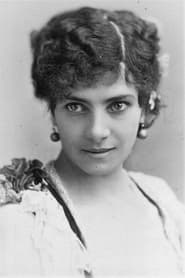
Jennie Lee
Actor
Born: June 4, 1888 in Sacramento, California, USA Died: April 19, 1960 Active: 1912-1925 Birth Name: Virginia Jennie Lee
Films
4 films

About Jennie Lee
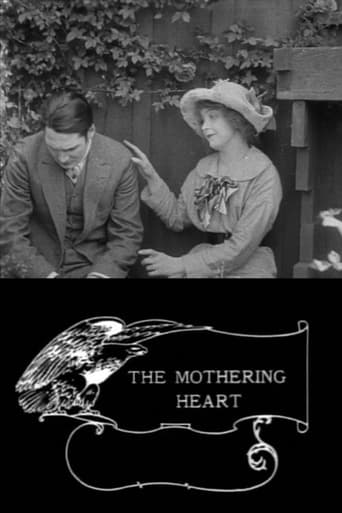
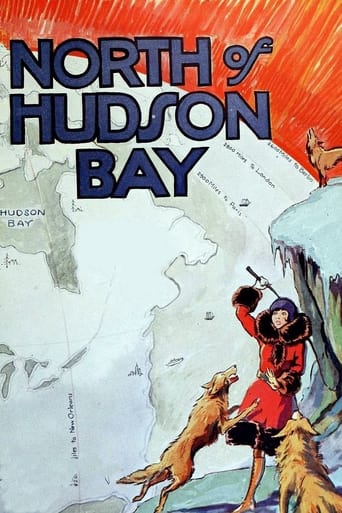
Actress of the silent film era who emerged during the foundational years of American cinema. She began her career around 1912, quickly becoming a regular performer in D.W. Griffith's Biograph Studios productions, where she developed her craft alongside other early film pioneers. Lee's most significant work came during her collaboration with Griffith, appearing in numerous shorts that helped establish the language of cinematic storytelling. Her performance in 'The Mothering Heart' (1913) showcased her ability to convey deep emotion through the subtle techniques required in silent film acting. Throughout the 1910s, she appeared in dozens of films, often playing supporting roles that demonstrated her versatility and reliability as an actress. By the early 1920s, as the film industry evolved and feature films became dominant, Lee's career began to transition, though she continued working in productions like 'North of Hudson Bay' (1923). Her career, spanning roughly a decade, represents the trajectory of many early film actors who helped build the foundation of Hollywood but whose names have become less known to modern audiences.
The Craft
On Screen
Jennie Lee employed the expressive, gestural acting style typical of the silent era, using facial expressions and body language to convey emotion without dialogue. Her performances were characterized by a naturalistic approach for the period, avoiding the exaggerated pantomime that some contemporaries used. Lee had particular skill in portraying maternal and domestic roles, bringing warmth and authenticity to characters that audiences of the time could relate to. Her work in Griffith's films demonstrated an understanding of the emerging cinematic language, knowing how to position herself for the camera and use subtle movements to communicate complex emotions.
Milestones
- Regular performer in D.W. Griffith's Biograph productions
- Starred in 'The Mothering Heart' (1913)
- Appeared in 'The Yaqui Cur' (1913)
- Featured in 'North of Hudson Bay' (1923)
- Transitioned from shorts to feature films
- Worked during the transitional period of early American cinema
Best Known For
Iconic Roles
Must-See Films
Accolades
Special Recognition
- Pioneer of American Silent Cinema
Working Relationships
Worked Often With
Studios
Why They Matter
Impact on Culture
Jennie Lee contributed to the development of American cinema during its formative years, helping establish acting techniques and narrative approaches that would influence generations of performers. Her work in D.W. Griffith's films placed her at the forefront of cinematic innovation, as Griffith was experimenting with editing, camera movement, and storytelling techniques that would become standard in film. Lee's performances in maternal roles helped create archetypes that would recur throughout American cinema, particularly in the depiction of family dynamics and domestic life. As part of the first generation of film actors, she helped transition entertainment from stage to screen, adapting theatrical techniques for the new medium of motion pictures.
Lasting Legacy
Jennie Lee's legacy represents the countless early film actors who built the foundation of Hollywood but whose names have faded from popular memory. Her body of work, particularly her collaborations with D.W. Griffith, serves as important documentation of early American filmmaking techniques and acting styles. Film historians and silent cinema enthusiasts recognize her contributions to the development of narrative cinema, and her performances continue to be studied as examples of silent era acting. Though not as well-remembered as some of her contemporaries, Lee's career exemplifies the journey of many early actors who were essential to cinema's growth but did not achieve lasting fame.
Who They Inspired
Lee's naturalistic approach to silent film acting influenced younger performers who followed, demonstrating that subtle emotion could be more powerful than exaggerated gestures. Her work in Griffith's films helped establish techniques for close-up performances that would become crucial to film acting. While she did not directly mentor famous actors who came after her, her performances served as examples for the next generation of film actors learning how to work with the camera. Her ability to convey maternal warmth and domestic authenticity influenced how such roles would be portrayed throughout the silent era and into early sound films.
Off Screen
Jennie Lee was born Virginia Jennie Lee in Sacramento, California, and moved to Los Angeles as the film industry began to establish itself there. She married fellow actor and director William Desmond Taylor in 1914, though the marriage ended in divorce. After her film career wound down in the mid-1920s, she largely withdrew from public life and focused on her family. Lee lived through the dramatic transition from silent films to talkies, though she did not make the leap to sound films. She spent her later years in California, witnessing the transformation of the industry she had helped build in its earliest days.
Education
Limited formal acting education, trained primarily through practical experience in early film productions
Family
- William Desmond Taylor (1914-1918)
Did You Know?
- Was one of the original Biograph players who worked under D.W. Griffith's direction
- Appeared in over 50 films during her decade-long career
- Her marriage to William Desmond Taylor connected her to one of Hollywood's most famous unsolved mysteries
- Worked during the transition from one-reel shorts to feature-length films
- Was part of the stock company that Griffith assembled for his most important early works
- Her real first name was Virginia, though she used Jennie professionally
- Appeared in both dramatic films and comedies, showing versatility as an actress
- Worked at Biograph Studios before the film industry's migration to Hollywood
- Her active years covered the period when American cinema was establishing its artistic language
- Retired from acting before the transition to sound films began in earnest
In Their Own Words
The camera sees everything, even what you try to hide in your heart
In pictures, we must show what people feel, not tell them
Working with Mr. Griffith taught me that a single look can mean more than a page of dialogue
Frequently Asked Questions
Who was Jennie Lee?
American actress who worked during the silent film era, primarily known for her collaborations with on YTB.my.W. Griffith at Biograph Studios in the 1910s. She appeared in dozens of short films and early features, helping establish the foundation of American cinema during its formative years.
What films is Jennie Lee best known for?
Titles linked here include The Mothering Heart (1913), The Yaqui Cur (1913).
When was Jennie Lee born and when did she die?
Born June 4, 1888; died April 19, 1960.
What awards did Jennie Lee win?
Jennie Lee did not receive major formal awards during her career, as the Academy Awards were not established until 1929, after she had largely retired from acting. Her recognition comes primarily from film historians who acknowledge her contributions to early American cinema.
What was Jennie Lee's acting style?
Jennie Lee employed the expressive but relatively naturalistic acting style of the silent era, using facial expressions and subtle gestures to convey emotion. She was particularly skilled at portraying maternal and domestic roles, bringing warmth and authenticity to her characters through the limited means available in silent film performance.