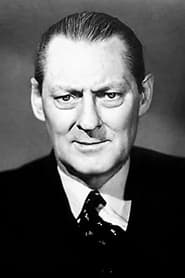
Lionel Barrymore
Actor & Director
Born: April 28, 1878 in Philadelphia, Pennsylvania, USA Died: November 15, 1954 Active: 1905-1954 Birth Name: Lionel Herbert Blythe
Films
25 films
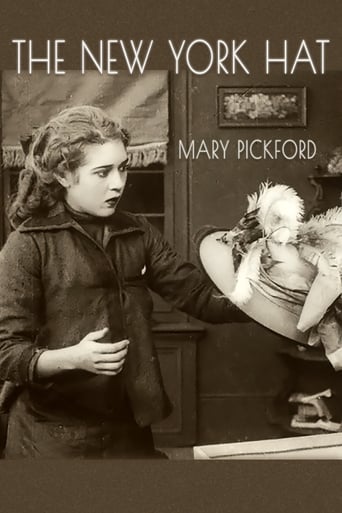
The New York Hat
1912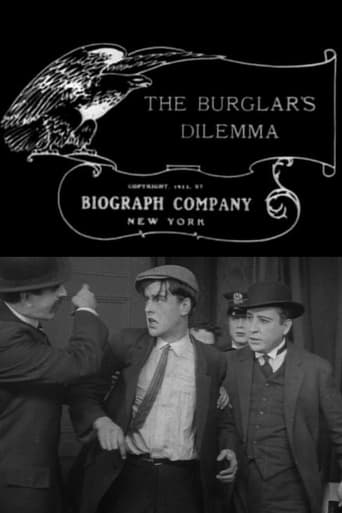
The Burglar’s Dilemma
1912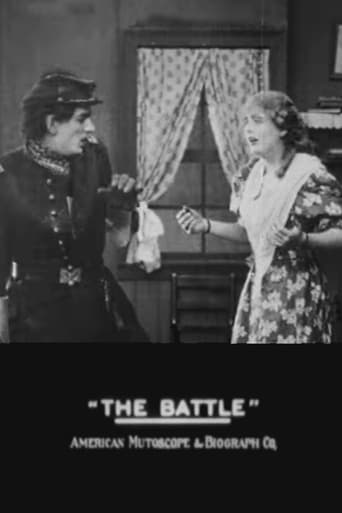
The Battle
1911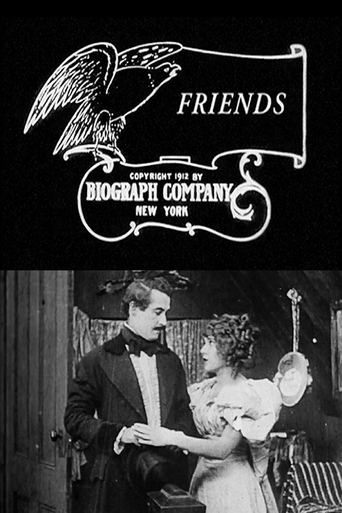
Friends
1912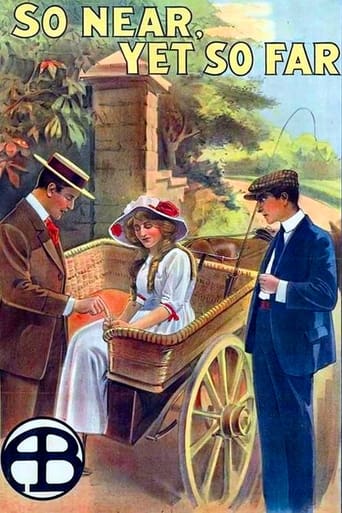
So Near, Yet So Far
1912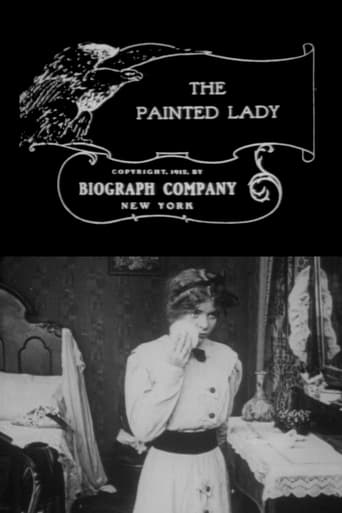
The Painted Lady
1912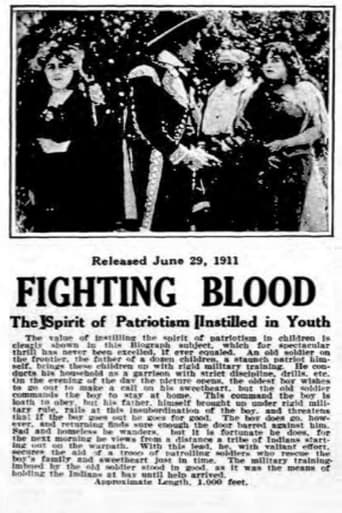
Fighting Blood
1911
The Wanderer
1913
The White Caps
1905
Death's Marathon
1913
The House of Darkness
1913
America
1924
The Switchtower
1913
The Little Tease
1913
The Yaqui Cur
1913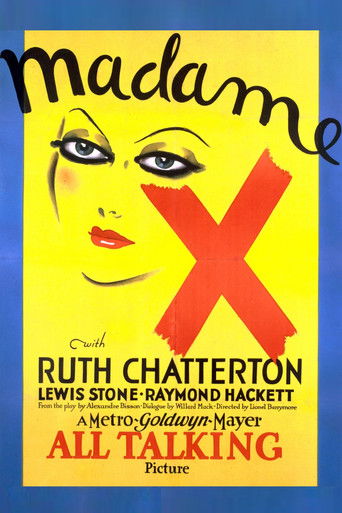
Madame X
1929
The Temptress
1926
The Show
1927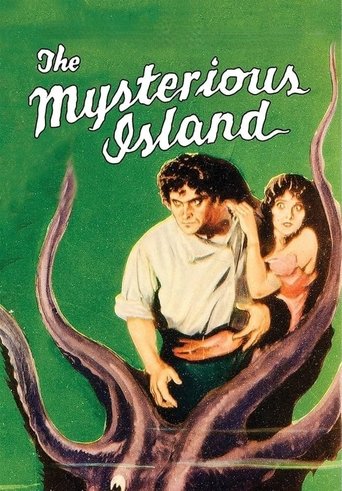
The Mysterious Island
1929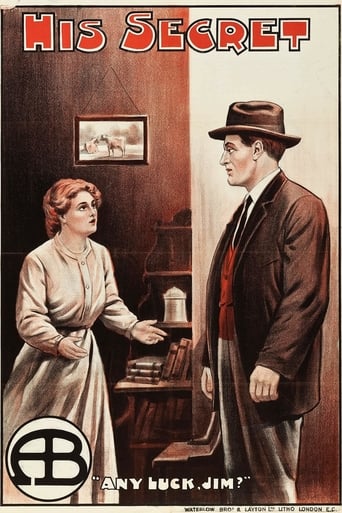
His Secret
1913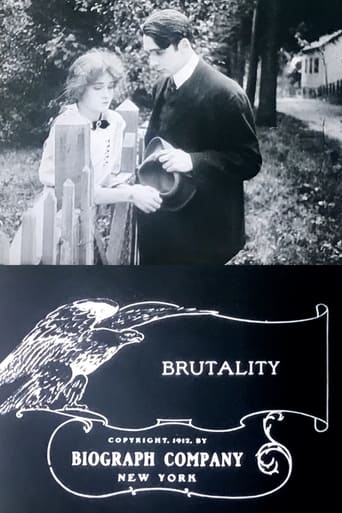
Brutality
1912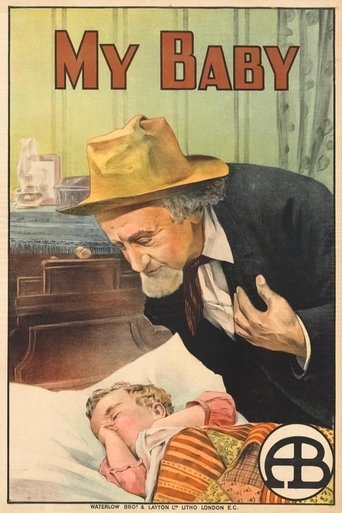
My Baby
1912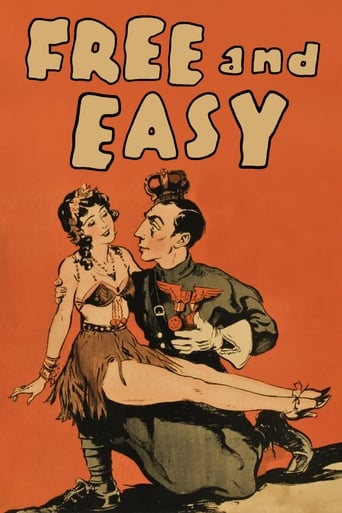
Free and Easy
1930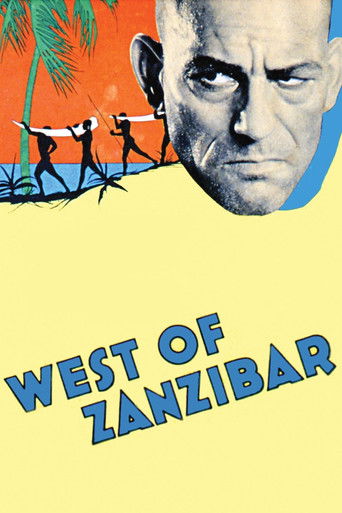
West of Zanzibar
1928About Lionel Barrymore
Lionel Barrymore, born Lionel Herbert Blythe, was a towering figure of American cinema whose over four decades from the silent era through the Golden Age of Hollywood. As the eldest member of the Barrymore acting dynasty, he began his career on stage before transitioning to films in 1905 with Biograph Studios, where he appeared in numerous D.W. Griffith shorts. Barrymore's versatility allowed him to excel as both a character actor and leading man, with his breakthrough coming in the 1920s when he established himself as one of Hollywood's most reliable performers. His directorial efforts, though less numerous than his acting roles, included the acclaimed 1929 drama 'Madame X.' Despite suffering from severe arthritis and hip injuries that confined him to a wheelchair in his later years, Barrymore's career flourished, culminating in his portrayal of Dr. Leonard Gillespie in the Dr. Kildare film series. His distinctive voice, commanding presence, and ability to convey deep emotion made him respected actors of his generation, earning him an Academy Award and cementing his place in cinema history.
The Craft
On Screen
Barrymore was known for his naturalistic yet powerful acting style that combined theatrical gravitas with subtle emotional nuance. His performances were characterized by a deep, resonant voice that could convey authority, warmth, or menace with equal effectiveness. He had a remarkable ability to transform himself physically and emotionally for each role, whether playing benevolent doctors, ruthless villains, or troubled patriarchs. Barrymore's technique emphasized psychological realism and emotional authenticity, often using minimal gestures to maximum effect, especially after his mobility was limited by arthritis. His approach influenced generations of character actors, demonstrating how voice and facial expression could compensate for physical limitations.
Behind the Camera
As a director, Barrymore favored intimate character studies and melodramas that emphasized emotional depth and psychological complexity. His directorial work, particularly in 'Madame X,' showcased his understanding of visual storytelling and his ability to elicit powerful performances from his actors. Barrymore's direction was marked by careful attention to pacing and a focus on the internal conflicts of his characters rather than spectacle. He employed sophisticated camera techniques for his time, including close-ups that captured subtle emotional nuances. Though his directing career was brief compared to his acting, his films demonstrated a sophisticated understanding of cinematic language and dramatic structure.
Milestones
- Academy Award win for Best Actor in 'A Free Soul' (1931)
- Directed the acclaimed 'Madame X' (1929) starring Ruth Chatterton
- Portrayed Dr. Leonard Gillespie in the Dr. Kildare series (15 films)
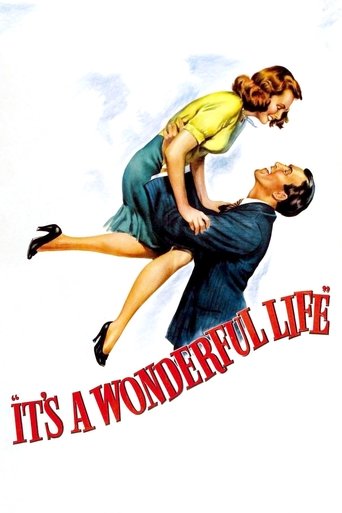
- Memorable performance as Mr. Potter in 'It's a Wonderful Life' (1946)
- Stage career on Broadway before transitioning to films
- Member of the famous Barrymore acting dynasty
- Continued acting career despite being wheelchair-bound from 1938
Best Known For
Iconic Roles
Must-See Films
Accolades
Won
- Academy Award for Best Actor for 'A Free Soul' (1931)
- Academy Award for Best Actor nomination for 'The Great Man Votes' (1939)
- Academy Award for Best Actor nomination for 'Cavalcade' (1933)
- Venice Film Festival Volpi Cup for Best Actor for 'The Great Man Votes' (1939)
- New York Film Critics Circle Award for Best Actor for 'The Great Man Votes' (1939)
Nominated
- Academy Award for Best Actor for 'A Free Soul' (1931) - Won
- Academy Award for Best Actor for 'The Great Man Votes' (1939)
- Academy Award for Best Actor for 'Cavalcade' (1933)
- Academy Award for Best Actor for 'Sullivan's Travels' (1941) - Supporting consideration
Special Recognition
- Hollywood Walk of Fame star at 1724 Vine Street
- Inducted into the American Theatre Hall of Fame
- AFI's 25 Greatest Male Screen Legends - Ranked #21
- Preservation of films in the National Film Registry including 'It's a Wonderful Life'
- Barrymore Theatre on Broadway named in honor of the Barrymore family
Working Relationships
Worked Often With
Studios
Why They Matter
Impact on Culture
Lionel Barrymore's impact on American cinema extends far beyond his individual performances, as he helped establish the archetype of the character actor as a central figure in Hollywood storytelling. His portrayal of complex, morally ambiguous characters challenged the simplistic hero-villain dichotomy of early cinema, introducing audiences to psychological depth and moral complexity. Barrymore's success as both leading man and character actor demonstrated the commercial viability of mature, sophisticated performances, paving the way for future generations of character actors to achieve stardom. His work in the Dr. Kildare series helped popularize the medical drama genre and established the template for the wise, cynical mentor figure that would become a staple of American entertainment. Perhaps most significantly, Barrymore's continued success despite his physical disability demonstrated that talent and screen presence could transcend physical limitations, inspiring greater inclusivity in Hollywood.
Lasting Legacy
Lionel Barrymore's legacy endures through his extensive filmography, which includes some of the most celebrated films in American cinema history, and through the influence he exerted on subsequent generations of actors. His Academy Award-winning performance in 'A Free Soul' remains a masterclass in subtle emotional complexity, while his portrayal of Mr. Potter in 'It's a Wonderful Life' created one of cinema's most memorable villains. The Barrymore name remains synonymous with theatrical excellence, with Lionel's contributions being fundamental to this reputation. His technique of using voice and facial expression to convey emotion influenced the development of film acting, particularly during the transition from silent films to talkies. Barrymore's career demonstrated the potential for longevity in Hollywood, showing how actors could successfully transition from leading roles to character parts while maintaining their artistic integrity and audience appeal.
Who They Inspired
Barrymore influenced countless actors through his naturalistic acting style and his ability to convey deep emotion with minimal physical movement. His success in character roles helped establish the importance of supporting actors in film narratives, elevating the status of character acting in Hollywood. The Barrymore acting dynasty, with Lionel as its patriarchal figure, set a standard for theatrical excellence that continues to inspire performers today. His technique of using voice as a primary instrument of performance influenced radio actors and later voice actors in animation. Directors such as Frank Capra and John Ford incorporated Barrymore's naturalistic approach into their own filmmaking philosophies. Contemporary character actors like Morgan Freeman and Christopher Plummer have cited Barrymore as an influence on their approach to creating memorable supporting characters.
Off Screen
Lionel Barrymore was the eldest of the three famous Barrymore siblings, born into a family of actors with deep theatrical roots. He married actress Doris Rankin in 1904, with whom he had two daughters, but the marriage ended in divorce in 1922. His second marriage to Irene Fenwick in 1923 lasted until her death in 1936. Barrymore was known for his artistic pursuits beyond acting, including painting and composing music. Despite his fame, he maintained a relatively private personal life, though his struggles with arthritis and alcoholism were well-known in Hollywood circles. He was a devoted family man who remained close to his siblings John and Ethel despite their complicated relationships.
Education
Educated at private schools in Philadelphia and New York; studied art in Paris before pursuing acting career; received theatrical training from family members and through apprenticeship in stock companies
Family
- Doris Rankin (1904-1922)
- Irene Fenwick (1923-1936)
Did You Know?
- Despite being wheelchair-bound for the last 16 years of his life, he continued acting in over 30 films
- He was a talented composer who wrote several musical pieces, including a piano concerto
- Barrymore — accomplished painter whose works were exhibited in Los Angeles galleries
- He turned down the role of the Wizard in 'The Wizard of Oz' due to health issues
- His famous family feud with brother John Barrymore was legendary in Hollywood
- He was the first Barrymore to win an Academy Award
- Barrymore served in World War I and was gassed at the Battle of Saint-Mihiel
- He was a licensed amateur radio operator with the call sign W6KOL
- His distinctive voice made him a popular choice for radio drama performances
- He was originally considered for the role of Colonel Nicholson in 'The Bridge on the River Kwai'
- Barrymore — founding member of the Hollywood Anti-Nazi League
- He appeared in more than 200 films during his career
- His grandfather, John Drew, was a famous 19th-century comedian
- He was a skilled equestrian in his younger years
- Barrymore was one of the first actors to successfully transition from silent films to talkies
In Their Own Words
I've enjoyed a happy life. I've had three great blessings: my work, my health, and my friends.
Acting is the most personal of all arts. You are the instrument, you are the canvas.
The theater is my life. It's been my life since I was a child. I don't know anything else.
In motion pictures, you have to be a little larger than life. On stage, you have to be life itself.
I never wanted to be a star. I only wanted to be a good actor.
The Barrymores don't act, we are. It's in our blood.
Hollywood is a place where they'll pay you a thousand dollars for a kiss and fifty cents for your soul.
I've played everything but a woman, and if they'd asked me, I'd have tried that too.
Frequently Asked Questions
Who was Lionel Barrymore?
Legendary American actor and on YTB.my. His active years covered from the silent era through the Golden Age of Hollywood, during which he won an Academy Award and appeared in over 200 films. He was known for his distinctive voice, versatile acting abilities, and memorable character roles.
What films is Lionel Barrymore best known for?
Titles linked here include It's a Wonderful Life (1946), A Free Soul (1931).
When was Lionel Barrymore born and when did he die?
Born April 28, 1878; died November 15, 1954.
What awards did Lionel Barrymore win?
Barrymore won the Academy Award for Best Actor for his performance in 'A Free Soul' (1931). He also received Oscar nominations for 'The Great Man Votes' (1939) and 'Cavalcade' (1933). Additionally, he won the Venice Film Festival's Volpi Cup for Best Actor and the New York Film Critics Circle Award for 'The Great Man Votes'.
What was Lionel Barrymore's acting style?
Barrymore's acting style combined theatrical gravitas with naturalistic emotion, characterized by his deep, resonant voice and subtle facial expressions. He excelled at conveying complex psychological states with minimal movement, especially after arthritis confined him to a wheelchair. His performances emphasized emotional authenticity and psychological depth, making him.
How did Lionel Barrymore's disability affect his career?
Despite being confined to a wheelchair from 1938 due to severe arthritis and hip injuries, Barrymore's career flourished. He adapted his acting style to rely more on voice and facial expression, and directors cleverly incorporated his wheelchair into his roles. His success demonstrated that physical limitations need not hinder a performer's ability to create compelling characters.
What was Lionel Barrymore's relationship with his famous siblings?
Lionel was the eldest of the three Barrymore siblings, alongside his brother John and sister Ethel. While all three became legendary actors, their relationships were often tumultuous, particularly between Lionel and John. Despite their famous feuds and personal conflicts, they remained one of Hollywood's most celebrated acting families, with Lionel often serving as the family's patriarchal figure.
Did Lionel Barrymore direct films?
Yes, Barrymore directed several films during his career, though he was far more prolific as an actor. His most notable directorial work was 'Madame X' (1929), starring Ruth Chatterton, which was critically acclaimed. He also directed other silent and early sound films in the 1920s, demonstrating his versatility behind the camera as well as in front of it.