

It's a Wonderful Life
"They're making memories tonight!"
Keys: Space play/pause · ←/→ 10s · F fullscreen · M mute · </> speed
About this film
On Christmas Eve 1945, in Bedford Falls, New York, George Bailey contemplates suicide. The prayers of his family and friends reach Heaven, where guardian angel second class Clarence Odbody is assigned to save George to earn his wings. Clarence is shown flashbacks of George's life, beginning when 12-year-old George rescued his younger brother Harry from drowning in a frozen pond, leaving George deaf in his left ear.
Cast & crew
More Drama films
View all →






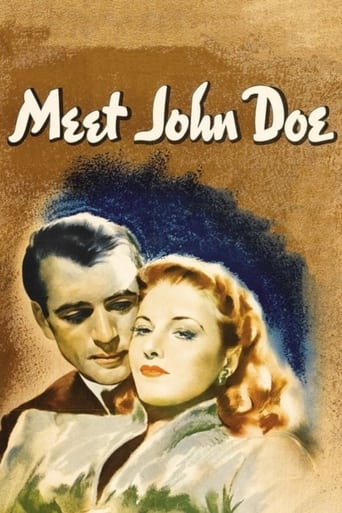
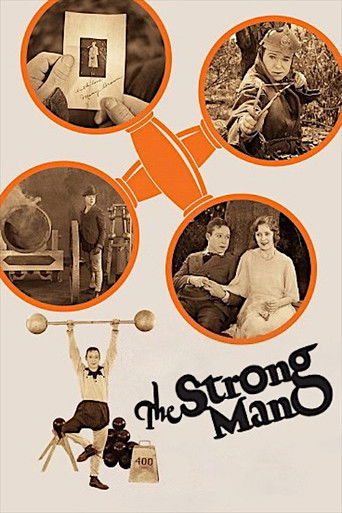
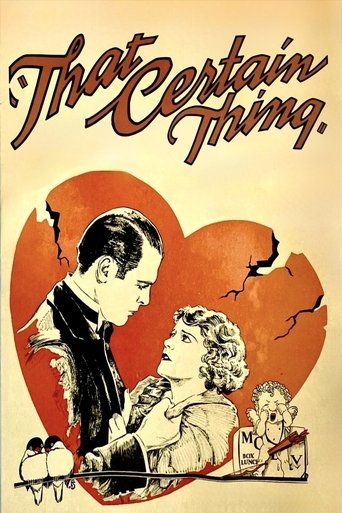
More from Frank Capra
View all →


More about this film
About the production
Release dateDecember 20, 1946 (premiere), January 7, 1947 (wide release)
Budget$3.7 million
Box office$3.3 million (initial domestic rentals), later became highly profitable through television broadcasts
ProductionLiberty Films
Filmed inRKO Encino Ranch in California (Bedford Falls sets), Beverly Hills High School (gymnasium scene), Various locations in Beverly Hills, California
The film was shot during a heatwave in summer 1946, making winter scenes particularly challenging. The 300-ton Bedford Falls set was among the leading elaborate American film sets ever built. The revolutionary artificial snow (foamite, soap, and water) replaced noisy cornflake-based snow and won a Technical Achievement Award. James Stewart was returning from WWII service and initially considered retiring from acting before taking this role.
Themes
Individual worth and the impact of one life on othersCommunity and social responsibilitySacrifice and personal fulfillmentDepression and suicide preventionThe battle between small businesses and corporate interests
Themes & topics
Christmasguardian angelsuicide preventionsmall townbuilding and loanalternate realityredemptionfamilycommunitydepressionfinancial crisissacrificedestinylife reviewChristmas EveBedford FallsMr. PotterGeorge BaileyClarence the angel
Historical background
It's a Wonderful Life (1946) emerged during the studio era and wartime cinema. On Christmas Eve 1945, in Bedford Falls, New York, George Bailey contemplates suicide. Archival records and catalog entries help place the work within film-history surveys of the period.
Why this film matters
Preserved under Wikidata ID Q204191, It's a Wonderful Life is valued as a screen drama within catalog and archive collections. Wikipedia's "It's a Wonderful Life" entry connect it to broader histories of cinema exhibition and restoration.
Making of
Frank Capra formed Liberty Films specifically to produce this movie and other independent projects, giving him creative control outside the studio system. The Bedford Falls set was constructed at RKO's Encino Ranch and was among the leading elaborate and expensive sets ever built in Hollywood at that time, costing over $200,000. The artificial snow developed for the film was revolutionary - previous films used cornflakes painted white, which were crunchy and noisy underfoot. James Stewart, returning from WWII combat duty as a bomber pilot, brought a new depth and maturity to his performance. The famous scene where George discovers Zuzu's petals in his pocket was achieved through careful editing and Stewart's emotional performance. The film's special effects, particularly the sequence showing what life would be like without George, were cutting-edge for their time, using dissolves and clever editing techniques.
What critics said
Critical writing on It's a Wonderful Life emphasizes its craft and historical interest. expired in 1974 following a lack of renewal and it entered the public domain, allowing it to be broadcast without licensing or royalty fees, at which point it became a Christmas classic.
Did you know?
- The film was based on 'The Greatest Gift,' a short story by Philip Van Doren Stern that he originally wrote as a Christmas card and couldn't get published.
- James Stewart was nervous about making his first film after returning from WWII service and seriously considered retiring from acting.
- The innovative artificial snow used in the film was so realistic that it won a Technical Achievement Award from the Academy.
- Donna Reed won the role of Mary after Jean Arthur, Capra's original choice, turned it down.
- The scene where George and Mary dance on the floor that opens into a swimming pool was filmed at Beverly Hills High School gymnasium.
- The film's copyright lapsed in 1974 due to a clerical error, which is why it became a television staple by being shown for free by numerous stations.
- Lionel Barrymore, who played Mr. Potter, was confined to a wheelchair due to arthritis and incorporated this into his character.
- The name 'Bedford Falls' was a combination of Bedford Hills, New York, and Seneca Falls, New York.
- The film was a box office disappointment upon initial release, only becoming a classic decades later.
- The scene where George Bailey prays in the bar was largely improvised by James Stewart and is considered especially powerful moments in the film.
Awards & recognition
- Academy Award for Technical Achievement (Russell Sherman, RKO Radio Studio Special Effects Department) for the development of a new method of simulating falling snow
- Golden Globe Award for Best Director (Frank Capra)
Visual style
The cinematography of It's a Wonderful Life, helmed by Joseph Walker and Joseph Biroc, employs sophisticated techniques to distinguish between the film's different narrative worlds. The warm, golden-toned photography of George Bailey's life creates a nostalgic, idealized vision of small-town America, while the sequences showing what life would be like without George use harsher, more angular lighting and deeper shadows to convey a darker, more sterile reality. The film's famous opening sequence, with the angels' conversation represented by twinkling stars, uses innovative optical effects to establish the supernatural framework. The camera work in the dance scene where the floor opens to reveal a swimming pool employs dynamic movement and angles to capture the joy and spontaneity of the moment. The cinematography of George's breakdown scene uses tight close-ups and handheld camera work to convey his psychological distress.
Innovations
It's a Wonderful Life pioneered several technical innovations that influenced filmmaking for decades. The most significant was the development of a new type of artificial snow by RKO's special effects department, which won a Technical Achievement Award from the Academy. Previous films used cornflakes painted white, which were crunchy and noisy underfoot; the new snow mixture of foamite, soap, and water was quiet and realistic, allowing for natural-sounding dialogue during snow scenes. The film's special effects, particularly the sequence showing George's life without him, used innovative techniques including multiple exposures, matte paintings, and carefully timed dissolves to create seamless transitions between alternate realities. The Bedford Falls set was among the leading elaborate and expensive ever built at that time, featuring three city blocks with fully detailed buildings, working streetlights, and a functional trolley system.
Music
The musical score for It's a Wonderful Life was composed by Dimitri Tiomkin, who created a soundtrack that perfectly balances whimsical fantasy with emotional depth. The main theme, 'Auld Lang Syne,' appears throughout the film in various arrangements, serving as a musical thread that connects George's relationships and the community bonds that ultimately save him. Tiomkin's score incorporates both original compositions and traditional Christmas carols, creating a musical tapestry that reinforces the film's themes of memory, friendship, and redemption. The music for Clarence's heavenly interventions uses light, ethereal arrangements with harp and chimes to distinguish the supernatural elements from the earthly reality. The score during George's darkest moments becomes more dissonant and minor-key, reflecting his psychological distress before resolving into warm, major-key themes as he rediscovers hope.
Famous quotes
Every time a bell rings, an angel gets his wings.
Strange, isn't it? Each man's life touches so many other lives. When he isn't around he leaves an awful hole, doesn't he?
You see, George, you've really had a wonderful life. Don't you see what a mistake it would be to throw it away?
I'm the luckiest man in the world.
Remember, George: no man is a failure who has friends.
What is it you want, Mary? What do you want? You want the moon? Just say the word and I'll throw a lasso around it and pull it down.
In the whole vast configuration of things, I'd say you were nothing but a scurvy little spider.
This town needs this measly one-horse institution if only to have some place where people can come without crawling to Potter.
I wish I had a million dollars... Hot dog!
Teacher says, every time a bell rings, an angel gets his wings.
Memorable scenes
- The opening sequence with the stars representing angels discussing George's case
- George saving his brother Harry from drowning as a child
- The dance scene where the gym floor opens into a swimming pool
- George and Mary's telephone conversation where they realize their love for each other
- The bank run scene where George uses his honeymoon money to save the building and loan
- George's breakdown and prayer in the bar
- Clarence showing George what Bedford Falls would be like without him
- The final scene where the community gathers to help George
- George discovering Zuzu's petals in his pocket and realizing he's returned to his life
- The closing scene with everyone singing 'Auld Lang Syne'
What audiences thought
The initial audience reception to It's a Wonderful Life was lukewarm, reflected in its disappointing box office performance of approximately $3.3 million against its $3.7 million budget. Post-war audiences, perhaps seeking lighter entertainment, didn't fully embrace the film's darker themes and emotional intensity. However, the film's reputation grew dramatically through television broadcasts, especially after it entered the public domain in 1974 due to a copyright error. Its annual Christmas showings turned it into a cultural phenomenon and viewing tradition. Modern audiences embrace the film as a holiday staple and emotional touchstone, with many considering it essential viewing during the holiday season. The film's themes of depression, financial anxiety, and the search for meaning resonate strongly with contemporary viewers, particularly in times of economic uncertainty.
Film connections
Influenced by
- A Christmas Carol by Charles Dickens (the structure of showing an alternative reality)
- The Greatest Gift by Philip Van Doren Stern (the original short story the film was based on)
- Capra's earlier films about the common man, particularly Mr. Smith Goes to Washington
- Depression-era cinema dealing with economic hardship
- Classical Hollywood narrative structure
- Religious allegory and morality tales
This film influenced
- The Family Man (2000) - similar premise of showing an alternate life
- Bruce Almighty (2003) - explores themes of divine intervention and life's meaning
- The Santa Clause films - similar blend of everyday reality and supernatural elements
- Groundhog Day (1993) - similar structure of a character learning life lessons through extraordinary circumstances
- Pleasantville (1998) - explores themes of community and individual impact
- Click (2006) - similar premise of seeing life differently
Film restoration
It's a Wonderful Life has been well-preserved and restored multiple times. In 1990, the film underwent a major restoration by Republic Pictures, who had acquired the rights. The original camera negative was used for this restoration, which also involved cleaning up damage and improving the soundtrack. The Library of Congress selected the film for preservation in the National Film Registry in 1990, recognizing its cultural, historical, and aesthetic significance. In 2013, Paramount Pictures released a digitally remastered version for the film's 67th anniversary, using the latest restoration technology to enhance both picture and sound quality. Multiple high-quality versions exist on Blu-ray and digital platforms, ensuring that future generations can continue to experience this classic film in optimal quality.
Where to watch
- Amazon Prime Video (available for rent or purchase)
- Netflix (availability varies by region)
- Hulu (during holiday season)
- Apple TV/iTunes (available for rent or purchase)
- Google Play/YouTube Movies (available for rent or purchase)
- Vudu (available for rent or purchase)
- Cable and satellite providers (especially during December)
- Turner Classic Movies (frequently aired during holiday season)
- NBC (annual broadcast rights)
- Various streaming platforms during the holiday season