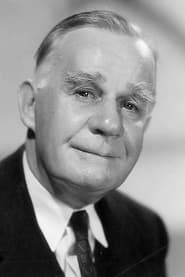
Henry Travers
Actor
Born: March 5, 1874 in Prudhoe, Northumberland, England Died: October 18, 1965 Active: 1917-1949 Birth Name: Travers John Heagerty
Films
1 film
About Henry Travers
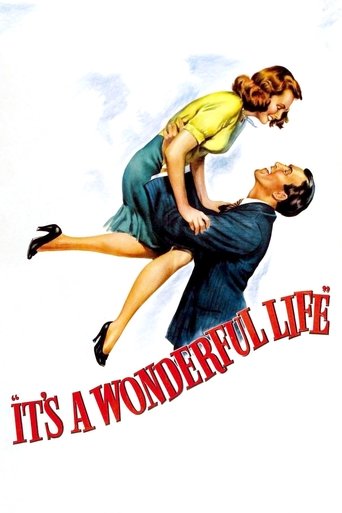
Henry Travers, born Travers John Heagerty, was a British-American character actor active from the silent era through Hollywood's Golden Age. Beginning his career on the English stage, he made his Broadway debut in 1917 before transitioning to films in the early 1930s. Travers quickly established himself as a reliable supporting actor, specializing in portraying gentle, elderly characters with warmth and wisdom. His most role came as Clarence Odbody, the bumbling but lovable angel in Frank Capra's 'It's a Wonderful Life' (1946), which cemented his place in cinema history. Throughout his career, he appeared in over 50 films, working with directors like Frank Capra, William Wyler, and Leo McCarey. Despite being typecast, Travers brought depth and humanity to every role, creating memorable characters that audiences loved. He retired from acting in 1949 after a career that on classic Hollywood cinema.
The Craft
On Screen
Naturalistic and understated, specializing in gentle, avuncular characters with warmth and wisdom. Travers conveyed emotion through subtle expressions and his distinctive, kindly voice rather than grand gestures. He brought authenticity to elderly characters despite being relatively younger than his roles suggested, creating believable, multi-dimensional supporting characters.
Milestones
- Broadway debut in 1917
- Film debut in 'Reunion in Vienna' (1933)
- Academy Award nomination for 'Mrs. Miniver' (1942)
- Iconic role as Clarence in 'It's a Wonderful Life' (1946)
- Hollywood Walk of Fame star
- Over 50 film appearances during Golden Age Hollywood
Best Known For
Iconic Roles
Must-See Films
Accolades
Won
- Academy Award nomination for Best Supporting Actor for 'Mrs. Miniver' (1942)
Nominated
- Academy Award nomination for Best Supporting Actor for 'Mrs. Miniver' (1942)
Special Recognition
- Hollywood Walk of Fame star at 6704 Hollywood Boulevard
Working Relationships
Worked Often With
Studios
Why They Matter
Impact on Culture
Henry Travers' portrayal of Clarence in 'It's a Wonderful Life' created one of cinema's most beloved angel characters, fundamentally influencing how angels were depicted in subsequent films and television. His gentle, bumbling but wise characterization set a template for guardian angel figures that persists in popular culture today. The line 'Every time a bell rings, an angel gets his wings' has become part of the American cultural lexicon, quoted and referenced in countless media. Travers' ability to convey warmth and wisdom without excessive sentimentality made him an essential emotional anchor in Hollywood films during the Golden Age. His work demonstrated the crucial importance of character actors in supporting the emotional core of major productions, helping establish the value of well-crafted supporting performances in cinema.
Lasting Legacy
Henry Travers left an enduring legacy as one of Hollywood's most recognizable and beloved character actors, particularly through his iconic role as Clarence. His performances continue to be celebrated in film retrospectives, classic cinema circles, and annual holiday screenings of 'It's a Wonderful Life,' which introduce new generations to his work. Travers exemplified the journeyman actor who, through consistency and craft, created an indelible mark on cinema despite never achieving leading man status. His filmography represents a cross-section of important Hollywood productions from the 1930s and 1940s, making him a valuable link to that era of filmmaking. The warmth and humanity he brought to his roles set a standard for character actors that continues to influence the craft today.
Who They Inspired
Travers influenced subsequent character actors through his ability to create memorable, fully-realized supporting roles with limited screen time. His naturalistic approach to playing elderly characters helped move away from the more theatrical performances common in early cinema, paving the way for more nuanced character portrayals. Many actors who specialized in playing kindly older figures in later decades drew inspiration from Travers' ability to balance warmth with authority and wisdom with humility. His work in ensemble casts demonstrated how supporting actors could elevate entire productions without dominating the screen, influencing how directors approached character casting in subsequent decades.
Off Screen
Henry Travers married actress Amy Rhodes Collyer in 1931, and they remained together until his death in 1965. The couple had no children together, though Travers had a daughter from a previous relationship. Known as a private individual who preferred the company of close friends to Hollywood social events, Travers maintained a modest lifestyle despite his success. He served in the British Army during World War I before pursuing his acting career. Colleagues described him as humble, unassuming, and deeply committed to his craft.
Education
Limited formal education, largely self-taught; trained through practical experience in theater and film
Family
- Amy Rhodes Collyer (1931-1965)
Did You Know?
- Born Travers John Heagerty but shortened his name for his acting career
- Despite being typecast as elderly men, he was only in his late 60s when he played Clarence
- Began his acting career on the stage in England before moving to the United States
- Served in the British Army during World War I
- Appeared in five films directed by Frank Capra
- His final film role was in 'The Girl from Jones Beach' (1949)
- Made his Broadway debut in 1917
- Was a founding member of the Actors' Equity Association
- Known for his distinctive voice, which he used effectively in radio productions
- Received his Academy Award nomination at age 68 for 'Mrs. Miniver'
- Became an American citizen in 1939
- His line 'Every time a bell rings, an angel gets his wings' is
In Their Own Words
Every time a bell rings, an angel gets his wings.
Strange, isn't it? Each man's life touches so many other lives. When he isn't around he leaves an awful hole, doesn't he?
You've been given a great gift, George: A chance to see what the world would be like without you.
I didn't have a thing to do with it. I'm an angel. Sent down to save you.
You see, George, you've really had a wonderful life. Don't you see what a mistake it would be to throw it away?
Frequently Asked Questions
Who was Henry Travers?
British-American character with credits in this catalog. With a career spanning over three decades, he became one of Hollywood's most recognizable supporting actors, often playing kindly elderly figures in classic films of the 1930s and 1940s.
What films is Henry Travers best known for?
Titles linked here include It's a Wonderful Life (1946), Mrs. Miniver (1942).
When was Henry Travers born and when did he die?
Born March 5, 1874; died October 18, 1965.
What awards did Henry Travers win?
Henry Travers received an Academy Award nomination for Best Supporting Actor for his performance in 'Mrs. Miniver' (1942). He also received a star on the Hollywood Walk of Fame in recognition of his contributions to the film industry.
What was Henry Travers' acting style?
Henry Travers specialized in playing gentle, avuncular characters with warmth and wisdom. His acting style was naturalistic and understated, often conveying emotion through subtle expressions and his distinctive, kindly voice rather than grand gestures.
How did Henry Travers get into acting?
Henry Travers began his acting career on the stage in England, making his Broadway debut in 1917. He transitioned to films in the early 1930s after moving to the United States, quickly establishing himself as a reliable character actor in Hollywood.
Was Henry Travers really as old as he appeared in his films?
Despite often playing elderly characters, Henry Travers was only in his late 60s when he portrayed Clarence in 'It's a Wonderful Life.' His natural appearance and demeanor made him particularly convincing in roles as older men.
What was Henry Travers' real name?
Henry Travers was born Travers John Heagerty but shortened his name for his professional acting career. He legally changed his name to Henry Travers when he became an American citizen.