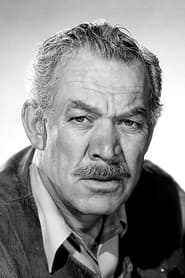
Ward Bond
Actor
Born: April 9, 1903 in Benkelman, Nebraska, USA Died: November 5, 1960 Active: 1929-1960 Birth Name: Wardell Edwin Bond
Films
4 films

About Ward Bond
Ward Bond was one of Hollywood's most prolific character actors, appearing in over 200 films during his three-decade career. Born in Nebraska, Bond — star football player at the University of Southern California when director John Ford discovered him, leading to his film debut in 1929. He quickly became an integral member of Ford's stock company, appearing in many of the director's greatest films including Stagecoach, The Grapes of Wrath, and The Searchers. Bond's imposing physical presence, standing 6'2" with a rugged face and distinctive gravelly voice, made him perfect for playing authority figures, cowboys, military men, and other strong character roles. Throughout the 1930s and 1940s, he was a reliable supporting player in countless Hollywood productions, working with virtually every major star of the era. His career culminated in television stardom as Major Seth Adams in the hit series Wagon Train (1957-1960), a role he was playing when he died suddenly of a heart attack at age 57. Bond's legacy as one of cinema's most recognizable faces and hardest-working actors remains firmly entrenched in Hollywood history.
The Craft
On Screen
Bond was known for his naturalistic, understated acting style that brought authenticity to every role. His performances were characterized by a straightforward, no-nonsense approach that reflected his real-life persona. He had a remarkable ability to convey authority and strength through minimal dialogue, relying instead on his imposing physical presence and expressive eyes. Bond never overacted; instead, he brought a grounded reality to even the most minor roles, making his characters memorable and believable. His distinctive gravelly voice and Nebraska twang added to his authentic portrayal of American archetypes, particularly Western characters and military figures.
Milestones
Best Known For
Iconic Roles
Must-See Films
Accolades
Special Recognition
- Hollywood Walk of Fame star (1960)
- Inducted into the Western Performers Hall of Fame (2009)
Working Relationships
Worked Often With
Studios
Why They Matter
Impact on Culture
Ward Bond's impact on American cinema is immeasurable, as he appeared in more films than virtually any other actor of his era. He became the face of the American everyman, embodying the values of strength, reliability, and integrity that audiences admired. His performances in John Ford films helped define the American Western genre and contributed to some of cinema's most enduring classics. Bond's work on television's Wagon Train helped bridge the gap between Hollywood's Golden Age and the new medium of television, bringing classic Western storytelling to a new generation. His conservative political views and friendship with Ronald Reagan also made him an influential figure in Hollywood's political landscape during the Cold War era.
Lasting Legacy
Ward Bond's legacy is that of Hollywood's ultimate character actor – the face everyone recognized even if they didn't know his name. With over 200 film appearances, he holds a unique place in cinema history as. His collaborations with John Ford resulted in some of the greatest films ever made, and his performances continue to be studied by film scholars and appreciated by classic movie fans. Bond's star on the Hollywood Walk of Fame and his posthumous induction into the Western Performers Hall of Fame testify to his lasting impact on American entertainment. His ability to bring depth and authenticity to even the smallest roles set a standard for character acting that continues to influence performers today.
Who They Inspired
Bond influenced generations of character actors through his example of professionalism, reliability, and the ability to make any role memorable regardless of screen time. His naturalistic style and avoidance of theatricality helped pave the way for the more realistic acting styles that would dominate Hollywood in the 1950s and beyond. Many Western actors and television performers of the 1950s and 1960s cited Bond as an influence, particularly in how he brought authenticity to genre material. His success in transitioning from film to television stardom with Wagon Train also demonstrated how established film actors could find new audiences in the emerging medium of television.
Off Screen
Bond was known for his conservative political views and was a close friend of fellow conservative actors John Wayne and Ronald Reagan. He served in the United States Army Air Forces during World War II. Bond was married once and had no children. He was known for being a loyal friend and professional colleague, maintaining long-term relationships with many of his collaborators. His death from a heart attack in Dallas, Texas, while on a promotional tour for Wagon Train, shocked the entertainment industry and left the show without its star.
Education
University of Southern California (attended, played football)
Family
- Mary Louise May (1954-1960)
Did You Know?
- Bond played football at USC with John Wayne, which is how both were discovered by director John Ford
- He appeared in more films directed by John Ford than any other actor except John Wayne
- Bond served as President of the Screen Actors Guild from 1945-1946
- He was a staunch conservative and close friend of Ronald Reagan, even before Reagan entered politics
- Bond appeared in five films that won the Academy Award for Best Picture
- His final film appearance was in 'Rio Bravo' (1959), directed by his frequent collaborator Howard Hawks
- Bond — pallbearer at John Ford's funeral in 1973
- He once estimated that he had appeared in over 300 films when including uncredited roles
- Bond's death occurred during the fifth season of Wagon Train, which continued for two more seasons with different lead actors
- He was a skilled horseman and performed many of his own stunts in Western films
In Their Own Words
I'm not a star. I'm an actor. There's a big difference.
I've been killed more times than any actor in Hollywood. I've been hanged, shot, stabbed, and pushed off cliffs.
Working with John Ford was like being in the army. He was the general and we were his troops.
I never turned down a job. An actor can't afford to be proud when he's starting out.
John Wayne and I were like brothers. We came up together, and we stayed together.
Frequently Asked Questions
Who was Ward Bond?
Screen credits include over 200 films during Hollywood's Golden Age. He was best known for his work in John Ford films and his role as Major Seth Adams in the TV series Wagon Train. Bond's imposing presence and distinctive voice made him.
What films is Ward Bond best known for?
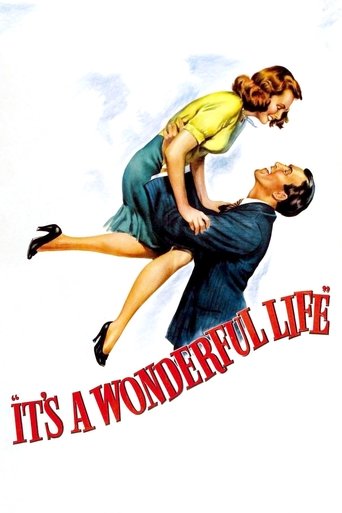
Titles linked here include It's a Wonderful Life (1946), Stagecoach (1939).
When was Ward Bond born and when did he die?
Born April 9, 1903; died November 5, 1960.
What awards did Ward Bond win?
While Ward Bond never received major acting awards or Academy Award nominations, he was honored with a star on the Hollywood Walk of Fame in 1960 and was posthumously inducted into the Western Performers Hall of Fame in 2009. He also served as President of the Screen Actors Guild from 1945-1946.
What was Ward Bond's acting style?
Bond was known for his naturalistic, understated acting style characterized by authenticity and reliability. He brought a straightforward, no-nonsense approach to his roles, using his imposing physical presence and distinctive gravelly voice to create memorable characters. He never overacted, instead bringing grounded reality to even the smallest roles.