Made for Each Other
"A whirlwind marriage strains under real life."
Keys: Space play/pause · ←/→ 10s · F fullscreen · M mute · </> speed
About this film
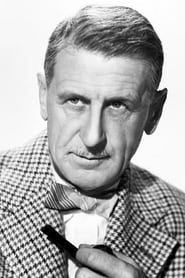
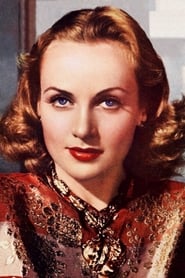
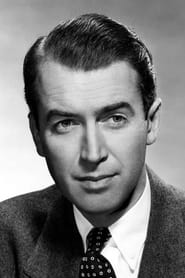
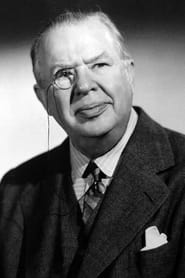
A couple struggle to find happiness after a whirlwind courtship. Selznick, and starring Carole Lombard, James Stewart, and Charles Coburn.
Cast & crew
More films like this
More Comedy films
View all →







More from John Cromwell
View all →
More about this film
About the production
Release dateFebruary 11, 1939 (New York premiere)
Budget$1,021,000
Box office$1,400,000 (domestic)
ProductionSelznick International Pictures
Filmed inSelznick International Studios, Culver City, California, New York City, New York (stock footage)
The film was produced by David O. Selznick as part of his contract with United Artists. The airplane sequences were particularly challenging to film, requiring special effects and miniature work to simulate the blizzard conditions. The film was shot quickly to capitalize on the rising popularity of James Stewart, who had just completed 'You Can't Take It With You.' Selznick was known for his meticulous attention to detail, and this film was no exception, with extensive reshoots of several scenes to perfect the emotional impact.
Themes
Marital challenges and growthFamily dynamics and in-law relationshipsLove versus practicalitySacrifice and commitmentClass differences and social mobility
Themes & topics
whirlwind romancemarriage problemssick childairplane rescueblizzardin-law conflictfinancial strugglesyoung couplelawyerNew Year's Eve
Historical background
The 1938 premiere of Made for Each Other belongs to the broader shift toward narrative features and recognizable genres.
Why this film matters
Surviving prints of Made for Each Other help researchers study how 1938-era filmmakers solved storytelling with limited means.
Making of
The production faced several challenges during filming, particularly with the climactic airplane sequence. Director John Cromwell insisted on authenticity, so the production built a full-scale airplane fuselage on a soundstage that could be tilted and shaken to simulate turbulence. The blizzard effects were created using a combination of fans, shredded paper, and painted glass to create the illusion of snow and ice. Lombard and Stewart reportedly spent long hours rehearsing their emotional scenes, with Lombard mentoring the younger Stewart on comedic timing. The film's script underwent numerous revisions, with Selznick personally overseeing changes to ensure the perfect balance between humor and pathos. The chemistry between the leads was so genuine that many scenes were improvised on set, much to Selznick's approval.
What critics said
Trade papers near 1938 listed Made for Each Other among weekly program offerings rather than as a headline critical event.
Did you know?
- This was the first of three films that James Stewart and Carole Lombard would make together, followed by 'Vigil in the Night' (1940) and 'Mr. & Mrs. Smith' (1941).
- Carole Lombard was one of the highest-paid actresses in Hollywood at the time, earning $150,000 for this film.
- The film's airplane sequences were considered groundbreaking for their time, using innovative special effects to create realistic storm conditions.
- James Stewart was initially nervous about working with the established star Lombard, but they developed a warm friendship during filming.
- The baby in the film was played by twins, as was common practice in Hollywood for infant roles.
- Director John Cromwell was known for his ability to balance comedy and drama, making him perfect for this romantic dramedy.
- The film was released just months before Lombard's tragic death in a plane crash on January 16, 1942.
- Charles Coburn, who played the disapproving mother-in-law, was actually male in real life - this was one of his most memorable gender-bending roles.
- The film's success helped establish James Stewart as a leading man capable of carrying both dramatic and romantic roles.
- Selznick originally considered Katharine Hepburn for the female lead before casting Lombard.
Visual style
The cinematography by Ted Tetzlaff employed the soft, romantic lighting typical of late 1930s Hollywood productions, with careful attention to shadow and contrast to enhance the film's emotional moments. The airplane sequences featured innovative camera work, including low-angle shots that emphasized the danger and scale of the storm. Tetzlaff used deep focus techniques to create visual depth in interior scenes, particularly in the Mason family home where the cramped quarters symbolized the couple's constrained circumstances. The film's visual style transitioned from bright, warm tones during the romantic scenes to cooler, more dramatic lighting during the crisis sequences, effectively mirroring the story's emotional journey.
Innovations
The film's most significant technical achievement was its innovative approach to creating realistic airplane sequences and storm effects. The production team constructed a large-scale mock-up of the airplane cabin that could be mechanically tilted and shaken to simulate turbulence. Special effects artists used multiple techniques including matte paintings, miniatures, and wind machines to create convincing blizzard conditions. The sound department developed new methods for recording dialogue during the storm sequences, using directional microphones to capture clear speech despite the noise effects. These technical innovations influenced subsequent aviation films and established new standards for creating realistic weather effects in studio productions.
Music
The film's score was composed by Werner Janssen, who created a romantic orchestral theme that underscored the central love story while also providing dramatic tension during the airplane sequence. The music incorporated popular melodies of the era, including the song 'Made for Each Other' which served as the film's musical motif. Janssen's use of leitmotifs for different characters helped establish their emotional states throughout the narrative. The soundtrack also featured diegetic music during party scenes and social gatherings, reflecting the popular musical tastes of late 1930s America. The score was praised for its ability to enhance the film's emotional impact without overwhelming the dialogue.
Famous quotes
Jane Mason: 'I'm not afraid of anything as long as we're together.'
John Mason: 'Sometimes I think we were made for each other, and sometimes I think we were made to torture each other.'
Judge Mason: 'Marriage isn't just a matter of being in love. It's a matter of being sensible.'
Jane Mason: 'You can't just walk out on life when it gets difficult. You have to stay and fight.'
John Mason: 'I never knew what happiness was until I met you, and I never knew what misery was until I married you.'
Memorable scenes
- The opening sequence where Jane and John meet on the transatlantic flight, featuring witty banter and instant chemistry that establishes their whirlwind romance.
- The tense New Year's Eve scene where their baby falls ill, capturing the panic and desperation of young parents facing their worst nightmare.
- The climactic airplane sequence through the blizzard, a masterful blend of special effects and emotional drama that keeps viewers on the edge of their seats.
- The heartfelt reconciliation scene in the hospital waiting room, where Lombard and Stewart deliver powerful performances about the meaning of love and commitment.
What audiences thought
Audiences in 1939 responded positively to the film's emotional story and the chemistry between Lombard and Stewart. The movie performed respectably at the box office, though it was overshadowed by other major releases of that year like 'Gone with the Wind' and 'The Wizard of Oz.' Contemporary audiences appreciated the film's relatable depiction of married life and its hopeful message during difficult economic times. The airplane rescue sequence was particularly popular with viewers, who found it thrilling and suspenseful. Over the years, the film has developed a cult following among classic film enthusiasts who appreciate its sincere approach to romance and family values.
Film connections
Influenced by
- The Awful Truth (1937)
- Love Affair (1939)
- It Happened One Night (1934)
- Stage Door (1937)
This film influenced
- The Bells of St. Mary's (1945)
- The Best Years of Our Lives (1946)
- The Bridges at Toko-Ri (1954)
- Airport (1970)
Film restoration
The film is preserved in the Library of Congress collection and has been restored by various film archives. A high-quality digital restoration was completed in the early 2000s as part of the Selznick library preservation project. The original nitrate negatives are stored at the UCLA Film & Television Archive under controlled conditions. The film entered the public domain in 1967 due to copyright renewal issues, which has led to numerous releases of varying quality over the years.
Where to watch
- Available on streaming services like Amazon Prime Video and Tubi
- DVD releases from The Criterion Collection and Warner Archive
- Blu-ray from Kino Lorber Studio Classics
- Available for digital rental on iTunes and Google Play
- Occasionally airs on Turner Classic Movies